


Why is water-rich Bangladesh running short of water?
16 September 2026
•
Big Picture

Bangladesh's education crisis: The future has already begun
14 September 2026
•
Big Picture

The global injustice behind Bangladesh’s shipbreaking industry
13 September 2026
•
Big Picture
How to make essential medicines affordable and accessible in Bangladesh
12 September 2026
•
Big Picture
Can Bangladesh make its plastic waste policy work?
10 September 2026
•
Big Picture
Dhaka accidentally built the city planners now want. Can we make it liveable?
9 September 2026
•
Big Picture
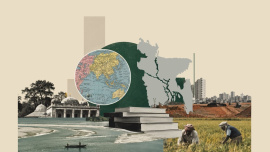
Can Bangladesh produce its own knowledge?
8 September 2026
•
Big Picture
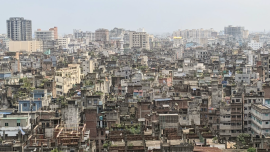
How we are killing Dhaka
7 September 2026
•
Big Picture
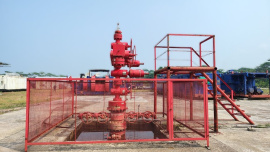
Can Bangladesh afford not to invest in Bhola’s gas?
5 September 2026
•
Big Picture
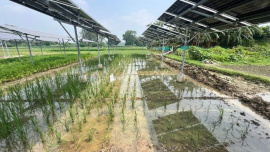
Bangladesh’s renewable policy: Still too little but not too late
4 September 2026
•
Big Picture
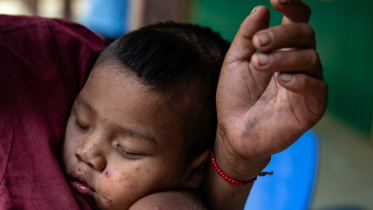
The Mro children who could not reach the vaccine
Geographic isolation and severe infrastructural deficits drive a devastating measles outbreak among Bandarban’s remote Mro community.
12 May 2026
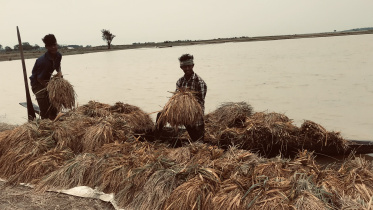
The slow death of the haors and their swamp forests
The destruction of ancient swamp forests and upstream mining has caused the disastrous flooding of Bangladesh’s haors.
12 May 2026
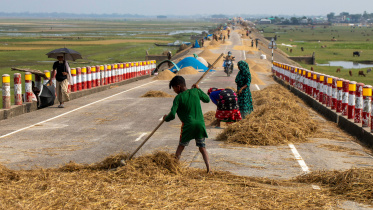
‘Development’ tragedy in haor: Ami jamu hourbari pakka rasta chai
Unplanned infrastructure in Bangladesh’s Haor region causes severe ecological damage, demanding sustainable floodplain management over destructive roads.
11 May 2026
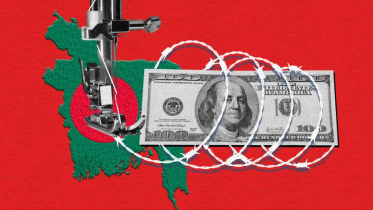
How Asia negotiated with Washington while Bangladesh lost out
Bangladesh’s interim government sacrificed long-term economic sovereignty for asymmetric, fragile US tariff concessions.
10 May 2026

The disagreements over presidential power and state religion
As members of the Constitution Reform Commission, we, Sharif Bhuiyan and Firoz Ahmed, submitted two written notes to the Commission—one dated November 23, 2024, on strengthening the office of the President, and another dated December 31, 2024, on the inclusion of “Bismillah” and a state religion in the Constitution.
9 May 2026

West Bengal’s election shift: Can it unlock the Teesta impasse?
West Bengal's recent BJP victory might finally unblock the stalled India-Bangladesh Teesta water-sharing treaty despite ecological challenges.
8 May 2026

Can Bangladesh manage its municipal waste better?
Effective municipal solid waste management in Bangladesh requires replacing open dumping with modern energy and fuel technologies.
6 May 2026

India’s top-heavy boom and the lesson for Bangladesh
India’s jobless growth and structural imbalance offer lessons for Bangladesh in diversifying its economy and achieving prosperity.
5 May 2026
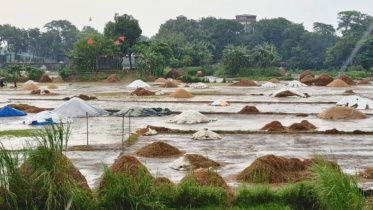
Haor farmers are dying, why does no one care?
The agrarian crisis in Bangladesh's haor region stems from structural neglect, threatening farmers' livelihoods and agricultural sustainability.
4 May 2026
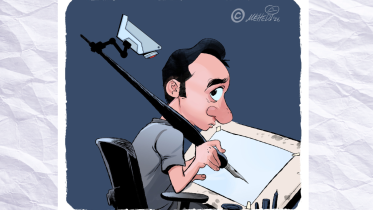
Why political cartoons are dying in Bangladesh
The monetisation of news and corporate media influence drives self-censorship, eroding Bangladesh's vital political satire tradition.
3 May 2026
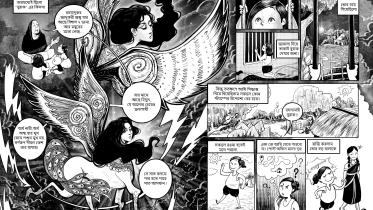
Art and odyssey of female cartoonists in Bangladesh
When girls draw comics, the topics become far more diverse – touching on nature, family issues, mental health, and self-realisation.
3 May 2026
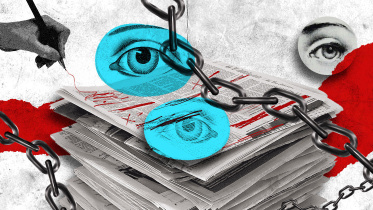
How reality is controlled in the age of digital disinformation
There is a significant overlap, as we are essentially describing the spread of authoritarian propaganda techniques in democracies, accelerated by the technologies of the digital age.
3 May 2026

Bangladesh’s anti-cyberbullying cell: One chance to get it right
Bangladesh must build a structured cyber harassment cell with legal data annotators to combat online violence against women.
2 May 2026
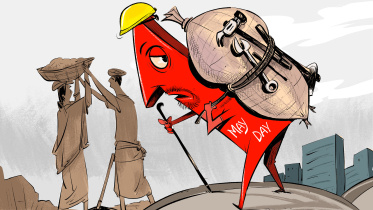
The expansion of wage labour and the message of May Day
Capitalist exploitation and wealth inequality in Bangladesh highlight why the May Day legacy remains vital for labour rights.
1 May 2026
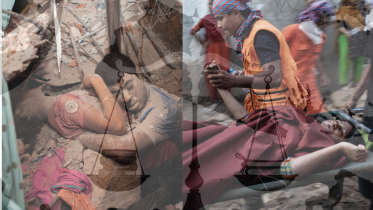
A closer look at Bangladesh’s new labour law: Gains and gaps
Bangladesh’s new labour law reflects hard-won gains, yet key gaps persist, leaving workers’ rights and protections incomplete.
30 April 2026
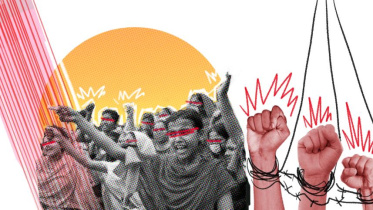
Can workers seize the opportunity as Western capitalism declines?
Richard Wolff argues that capitalist decline and Western hegemony offer the Global South opportunities for working-class organisation.
30 April 2026

Why AI alone cannot fix Bangladesh’s learning gap
AI technology alone will never resolve Bangladesh's learning gap without consistent human support from teachers and parents.
29 April 2026

The water we wear: Why “No Shopping Day” matters
A No Shopping Day exposes the immense virtual water footprint in textiles, advocating for mindful consumption to protect resources.
29 April 2026
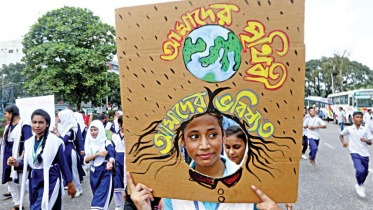
Who is left behind?
Universal human development requires dismantling systemic barriers and aligning policy with the 2030 Agenda for global inclusion.
28 April 2026
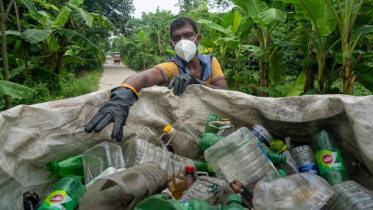
Zero-waste communities thrive while incinerator plans loom
The Amin Bazar incinerator threatens community-led zero-waste models and the livelihoods of vulnerable informal waste workers in Bangladesh.
26 April 2026