


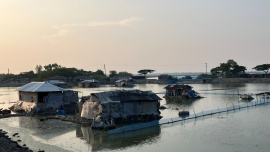
The untold side of Bangladesh's climate migration
15 September 2026
•
Unheard Voices
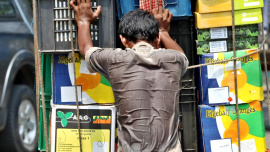
Dhaka's unbearable heat: Who suffers the most?
14 September 2026
•
Unheard Voices
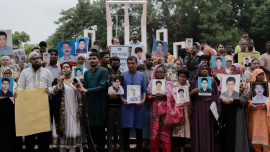
Enforced disappearance in Bangladesh / Who investigates the state?
12 September 2026
•
Unheard Voices
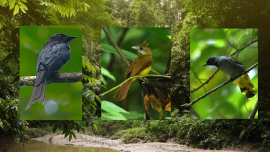
Gibbons, kingfishers and the changing world of Adampur Reserved Forest
11 September 2026
•
Unheard Voices

More than refugees: How Rohingya youth are reclaiming their story
9 September 2026
•
Unheard Voices
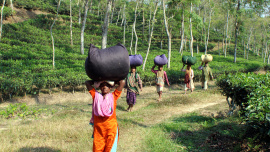
Behind every cup / The mental toll on women tea workers
8 September 2026
•
Unheard Voices
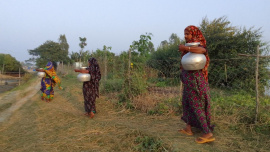
From Shyamnagar to Kurigram: Women work, but where is the income?
7 September 2026
•
Unheard Voices
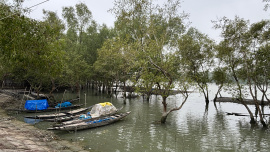
Waiting for April: The other side of migration in the Sundarbans
6 September 2026
•
Unheard Voices
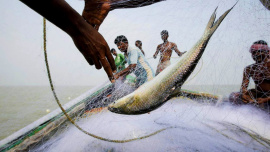
Where have Bangladesh’s hilsa gone?
5 September 2026
•
Unheard Voices
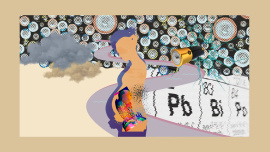
Lead poisoning in Bangladesh: A crisis ignored for too long
4 September 2026
•
Unheard Voices
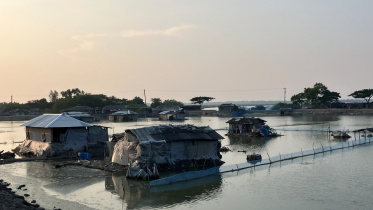
The untold side of Bangladesh's climate migration
Seventeen years after Cyclone Aila tore through Gabura, most families who survived it are still there. Drawing on nearly two decades of fieldwork, this piece asks why people stay when the land is disappearing, and what that means for Bangladesh's climate policy.
15 September 2026
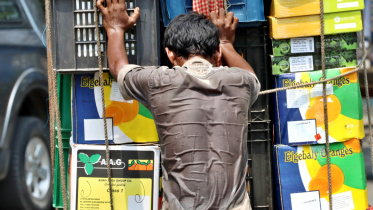
Dhaka's unbearable heat: Who suffers the most?
Bangladesh's climate crisis is usually pictured as floods and cyclones. But for millions of informal workers in Dhaka, the real threat is quieter: heat that follows them from their tin roofed homes to construction sites, garment factories and rickshaw seats, with nowhere left to escape it.
14 September 2026
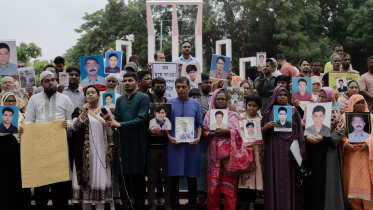
Who investigates the state?
Drawing on years of work with families of the disappeared, this piece asks who can credibly investigate enforced disappearance in Bangladesh when the very institutions accused of carrying it out are the ones tasked with examining the allegations.
12 September 2026
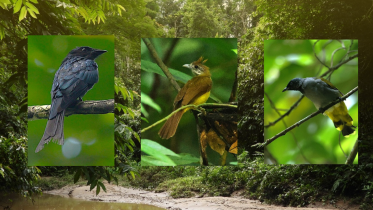
Gibbons, kingfishers and the changing world of Adampur Reserved Forest
Thirteen years after his first visit, wildlife biologist Reza Khan returned to Adampur Reserved Forest in Moulvibazar as part of a survey to update Bangladesh's Faunal Red List. The gibbons still called from the canopy and the dwarf kingfishers still haunted the forest streams, but one quiet absence, the near disappearance of the forest's once abundant tree ferns, hinted at a slower, harder-to-notice kind of change.
11 September 2026
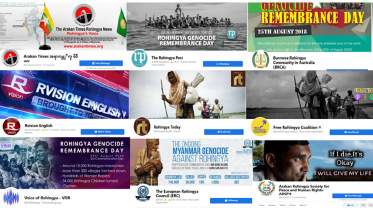
More than refugees: How Rohingya youth are reclaiming their story
The Rohingya crisis is often told only through numbers, camps and decades of statelessness. But a generation raised in exile is now speaking for itself, using social media to document their lives, organise across borders and demand recognition as a people with history and rights, not just refugees waiting to be counted.
9 September 2026
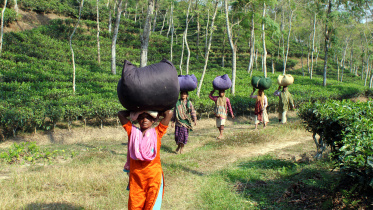
The mental toll on women tea workers
Nearly three in four mothers working in Bangladesh's tea gardens are psychologically vulnerable or unwell, a new study finds, worn down by starvation wages, wage theft and a second unpaid shift at home. The toll does not stop with them. Researchers found the majority of their young children already show signs of emotional and behavioural distress.
8 September 2026
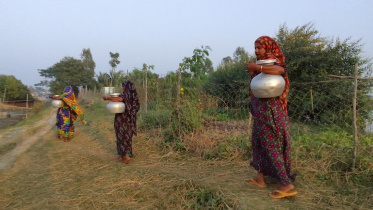
From Shyamnagar to Kurigram: Women work, but where is the income?
Women across coastal Shyamnagar and the chars of Kurigram spend their days fishing, farming, tending animals, and making goods to sell. Yet unpaid care work, distant water sources, unsafe markets, and repeated climate shocks keep that labour from ever becoming steady income or savings.
7 September 2026
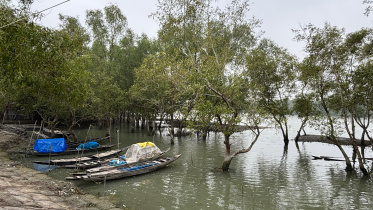
Waiting for April: The other side of migration in the Sundarbans
Every October, men from villages on the edge of the Sundarbans leave for the brickfields, driven out as much by the forest's shrinking rules as by the pull of wages. Left behind, women like Nirmola and Shushila don't simply wait—they run the household, manage money sent home by bKash, and reorganise daily life until April brings the men back. This is the untold half of the Sundarbans migration story.
6 September 2026
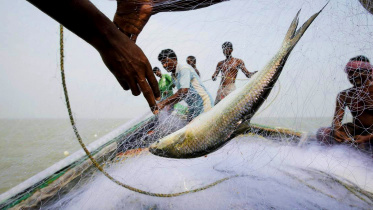
Where have Bangladesh’s hilsa gone?
Bangladesh’s hilsa are still in the Bay, but changing waters, blocked rivers and mounting pressures are reshaping their migration.
5 September 2026
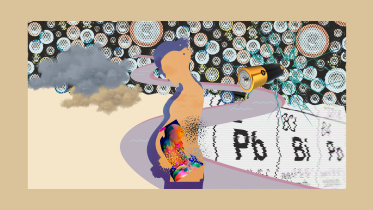
Lead poisoning in Bangladesh: A crisis ignored for too long
New data reveals alarming lead exposure levels among children in Bangladesh. Experts discuss the hidden sources and the urgent need for systemic policy change.
4 September 2026
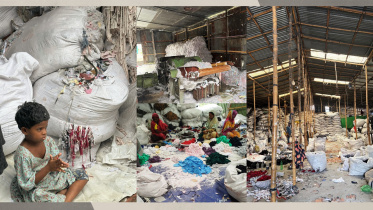
Who recycles Bangladesh’s garment waste?
Explore the informal jhut recycling sector in Bangladesh. From Gazipur to Narayanganj, we look at the labor conditions behind the garment supply chain.
3 September 2026
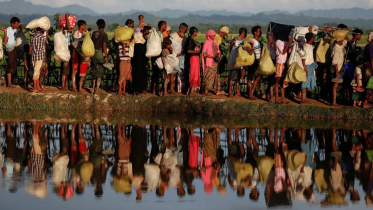
Bangladesh running out of options on Rohingya crisis: Is there a way out?
Nine years after the genocide, the Rohingya crisis faces a new deadlock. Analysis of the Arakan Army's rise and the stalled repatriation process.
2 September 2026
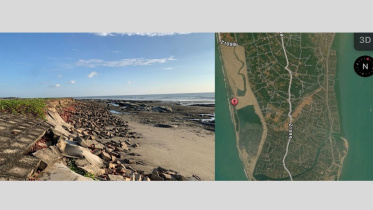
A grave threat to Cox’s Bazar’s sand dunes
Experts warn that the Sugandha-Kalatoli beach road project threatens Cox's Bazar's natural defenses. Read the analysis on ecological and legal risks.
29 August 2026
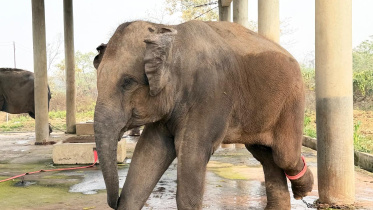
Why have Nihar Koli and Samrat been sent back to their alleged abusers?
Two elephants rescued from alleged abuse have been returned to their former owners, raising troubling questions about their safety.
22 August 2026

The reality of vocational training for Bangladeshi women
Are vocational training programs in Bangladesh truly empowering women? We explore the barriers to employment and the reality of the TVET system.
22 August 2026
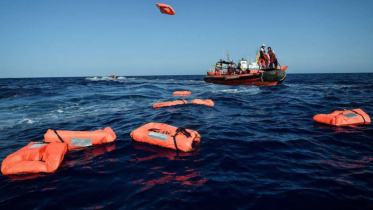
Can we save young Bangladeshis from deadly Mediterranean crossings?
Despite the dangers, thousands of Bangladeshis continue to take the Mediterranean route to Europe. We analyze the economic, social, and systemic drivers behind this crisis.
22 August 2026
Breastfeeding in Bangladesh: What is holding mothers back?
Despite the immense benefits of breast milk, socioeconomic barriers and aggressive formula marketing hinder breastfeeding in Bangladesh.
15 August 2026
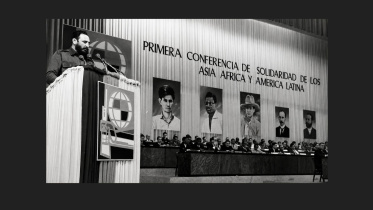
Why Fidel Castro’s legacy still haunts Washington
Fidel Castro's enduring legacy of anti-imperialism and Third Worldism continues to fundamentally haunt American geopolitical hegemony today.
14 August 2026
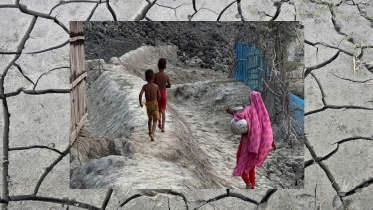
Thirst in the Sundarbans: The water crisis facing Munda women
As freshwater disappears from the Sundarbans, Munda women bear the growing burden of climate-driven water scarcity.
12 August 2026

Which female-dominated jobs are actually the most exposed to AI?
As the impacts of AI sweep across the labour force, female-concentrated segments of the workforce are most exposed to AI-fuelled automation.
10 August 2026