


BPC looks for alternative crude markets as Bab el-Mandeb risks rise
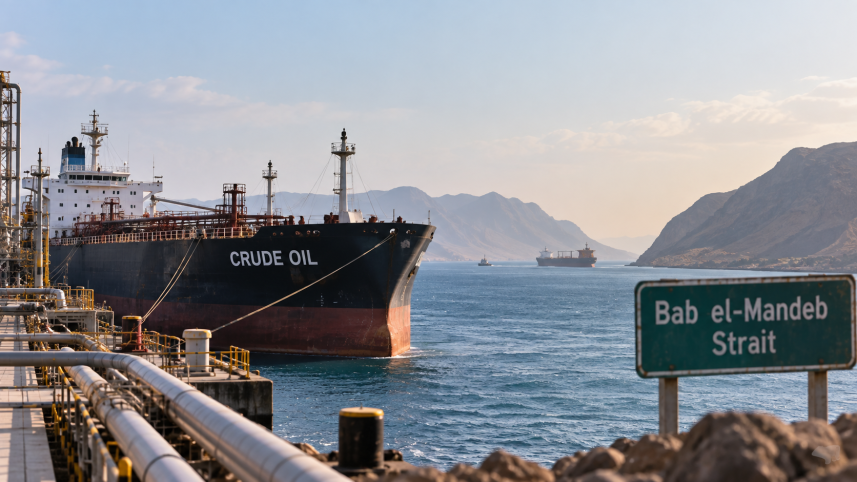
Bangladesh is looking for alternative markets to diversify its crude oil sources as growing security risks around the Bab el-Mandeb Strait are making shipments from the Middle East increasingly difficult and expensive.
The Bangladesh Petroleum Corporation (BPC) has already started discussions with potential alternative suppliers and is hopeful of importing crude oil from a new source soon, its newly appointed chairman Md Rafiqul Islam said today.

“We have already spoken to representatives of an alternative source about importing crude oil. We are hopeful that we will be able to import crude from an alternative market very soon,” he told reporters at an exchange of views meeting at the BPC headquarters in Chattogram.
He said BPC began exploring alternative sources after the escalation of the Middle East crisis in March.
Following tests of crude from different countries, Eastern Refinery identified oil from four countries—Nigeria, Malaysia, Norway and Algeria—as compatible with its existing refining process.
The refinery tested the characteristics of Nigeria's Bonny crude, Malaysia's Malaysian Blend, Norway's Alvheim Blend and Algerian crude and found that they could be processed using the existing refining facilities.
Eastern Refinery submitted its findings to BPC in early April.
Eastern Refinery has the capacity to process around 1.4-1.5 million tonnes of crude oil annually.
At present, the state-owned refinery processes Arabian Light crude from Saudi Arabia and Murban crude from the United Arab Emirates. These two grades are used to produce 13 types of petroleum products, including diesel, bitumen and petrol.
BPC Chairman Rafiqul Islam said there would be no fuel shortage until December, with sufficient stocks and confirmed import orders.
He said the government has both short- and long-term plans to meet fuel demand.
Meanwhile, BPC has almost finalised an LPG import deal following several rounds of tenders. The consignment is expected to arrive by the end of this month, he said.
The move to diversify crude sources comes as growing security risks around the Bab el-Mandeb Strait are forcing Bangladesh-bound fuel vessels to take longer and costlier routes.
Bangladesh Shipping Corporation's crude oil tanker MT Ninemia, carrying nearly 100,000 tonnes of crude, arrived at Chattogram port on Saturday after taking an alternative route through the Suez Canal, Mediterranean, Strait of Gibraltar and around the Cape of Good Hope.
The voyage took around 50 days, incurring an additional cost of Tk 66.63 crore.
A local official of the tanker told The Daily Star that the vessel could have reached Chattogram from Yanbu in around 13-15 days had it sailed through Bab el-Mandeb and the Indian Ocean.
 For all latest news, follow The Daily Star's Google News channel.
Comments