


How can we navigate a fragmented global geo-economic order?


The 81st session of the United Nations General Assembly (UNGA) began on September 8 amid profound geopolitical and geo-economic uncertainties.
Global challenges, including wars, strategic rivalry, tariffs, technological competition, energy insecurity, climate-related trade measures and restructuring of global supply chains, will feature prominently in the UNGA session discussions. The outcomes of the discussions are particularly significant for Bangladesh because global events now directly affect Bangladeshi households even though they are happening thousands of kilometres away. Conflict in the Middle East can raise energy and food prices; US-China tensions can affect trade, technology and investment; instability in Myanmar can create humanitarian and security pressures; and changing US and European trade policies can alter market access for Bangladeshi exporters. Geopolitics can no longer be separated from economics, and geo-economics has become closely linked to national economic security.

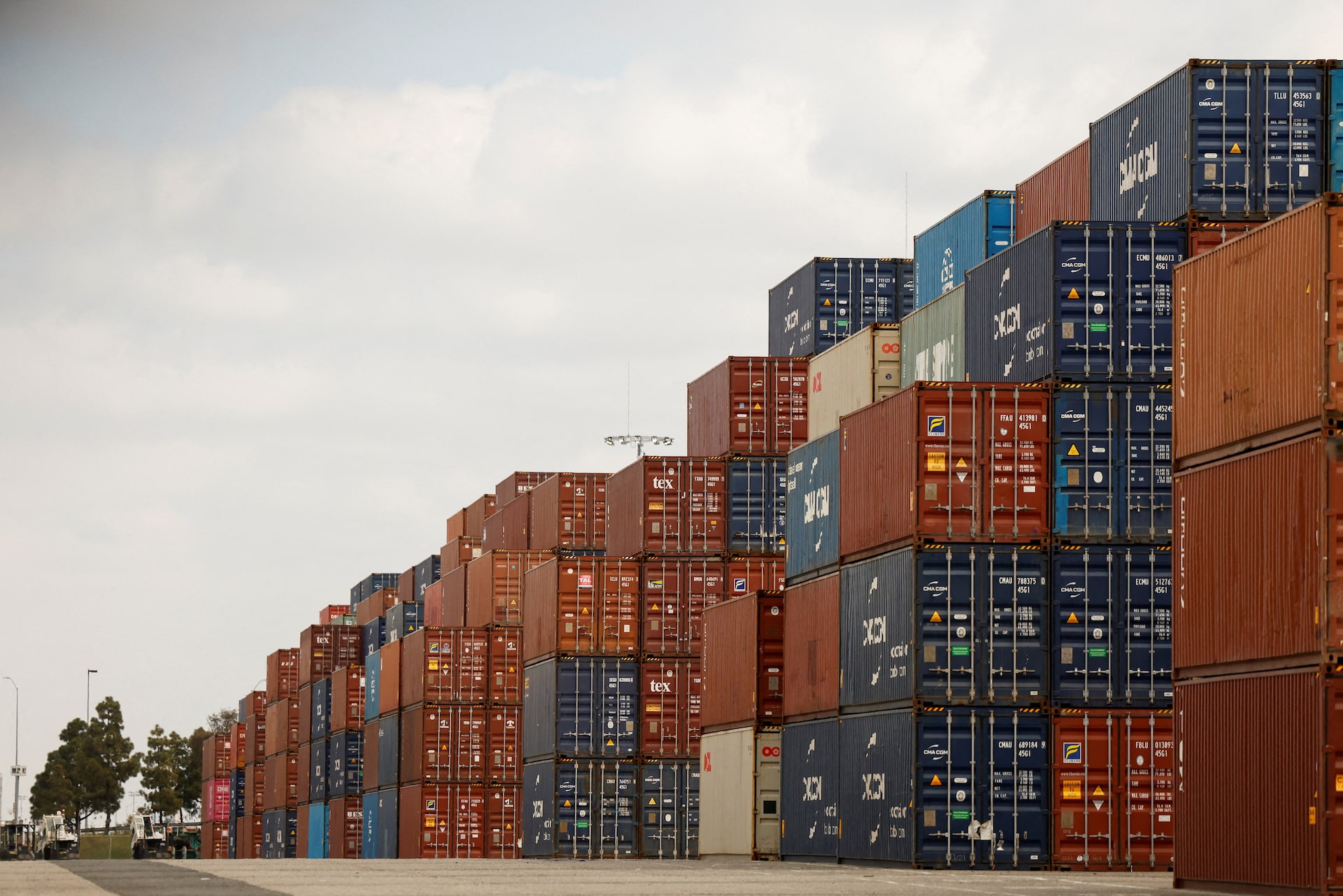
The world is now shifting from globalisation through economic efficiency—in which firms prioritised the cheapest production and sourcing locations—to geo-economics. Today, governments and businesses are more attuned to factors such as suppliers’ political reliability, supply chains’ vulnerability to conflict or sanctions, the national-security relevance of technologies, and the strategic risks of dependence on specific countries. The global trading system is experiencing its most serious and sustained period of disruption since the multilateral framework was established 80 years ago.
Trade, investment, finance, technology, energy, and supply chains are increasingly used as tools for strategic policy. Dividing the multilateral trading system into geopolitically aligned blocs could lead to a long-term decline of 5.1 percent in global GDP and 18.6 percent in global exports. This trend is particularly worrying for smaller economies like Bangladesh, which have less bargaining power in bilateral negotiations.
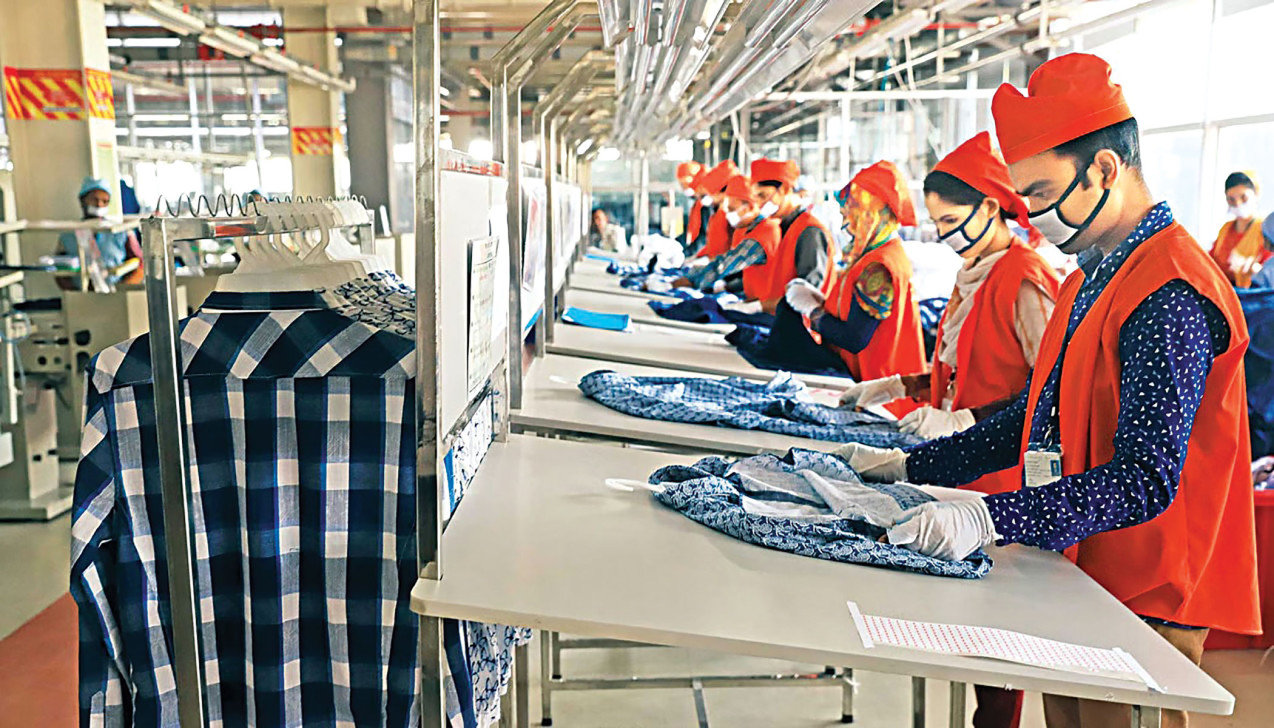
For instance, the US and China are both important economic partners for Bangladesh, although the nature and depth of these relationships differ. The US is a key destination for our exports and an important partner in investment, technology and development cooperation. Meanwhile, China remains the country’s largest source of imports and a major supplier of industrial inputs, machinery and infrastructure investment. In FY2023-24, China accounted for 26.4 percent of Bangladesh’s import payments, while India accounted for 14.3 percent. The EU, too, has been Bangladesh’s major trading partner and a large market, especially for its readymade garments (RMG) under its Everything but Arms (EBA) initiative. While Bangladesh needs constructive, mutually beneficial relations with all countries guided by its own economic and development priorities, greater diversification of export markets, sources of investment, technology, and critical imports would reduce vulnerabilities and give it greater flexibility in navigating an increasingly complex geopolitical environment, such as the Middle East crisis.
It illustrates how geopolitical developments can directly affect Bangladesh’s domestic economy, which depends largely on imported energy and has extensive labour-market and remittance links with Gulf economies. In FY2025-26, Bangladesh is projected to receive approximately $5.85 billion in remittances from Saudi Arabia, $4.58 billion from the UAE, $2.05 billion from Oman and $1.56 billion from Qatar. Meanwhile, from March to June 2026, LNG loadings from Qatar and the UAE dropped by approximately 35 billion cubic metres year-over-year due to disruptions related to the Middle East crisis.
A prolonged conflict could affect Bangladesh’s economy by increasing inflation, reducing fiscal space through higher energy subsidies, raising import costs and weakening exports and remittances. Energy security should therefore be an essential component of economic security, calling for a mix of suppliers and contracts in the near term, alongside increased domestic gas exploration, renewable energy sources, energy efficiency measures, regional electricity trade, and investment in transmission infrastructure in the medium term to reduce our heavy dependence on energy imports.
The pandemic, the Russia-Ukraine conflict, Middle East instability, and the intensifying US-China strategic competition have highlighted the dangers of highly concentrated global supply chains. Disruptions in production, shipping, energy resources, and essential inputs have led multinational companies to focus more on resilience and security, alongside cost and efficiency. Consequently, many firms are adopting “China+1” strategies by maintaining operations in China and establishing additional production sites elsewhere. Simultaneously, they are spreading supply chains across countries and regions to reduce single-source reliance and adopting “friend-shoring”—setting up key activities in politically stable countries—and “de-risking” to reduce over-dependence on certain markets, suppliers, or technologies without completely withdrawing.
These developments are gradually reshaping global trade and investment patterns, creating new opportunities and competitive challenges for emerging economies such as Bangladesh. But benefits won’t come automatically. Global FDI rose by 6 percent to $1.6 trillion in 2025, but more than 80 percent went to the top 20 destination economies.

Meanwhile, technology and climate have become strategic economic issues, turning semiconductors, AI, cloud infrastructure, data, batteries, telecommunications and critical minerals into strategic economic assets. Bangladesh cannot compete at the technological frontier in every area, but it must build capabilities in feasible fields such as chip design, testing and packaging, AI skills, cybersecurity, data governance and trusted digital infrastructure by integrating technology with industrial, trade and economic-security policies.
Regarding climate, the EU’s Carbon Border Adjustment Mechanism (CBAM), which entered its definitive regime on January 1, currently covers selected goods in cement, iron and steel, aluminium, fertilisers, electricity and hydrogen, but not primarily Bangladesh’s RMG sector yet. However, complacency is unwarranted. Factors like carbon footprints, renewable energy adoption, water management, circular production, traceability, and environmental standards will increasingly impact competitiveness. Therefore, RMG’s green transition must be viewed as a strategic move, not just an environmental requirement.
These changes align with Bangladesh’s planned graduation from the UN Least Developed Country (LDC) status on November 24, 2026, pending approval of our preparatory period extension request. The UN Committee for Development Policy determined that the UNGA should consider granting this extension if Bangladesh makes notable progress in tackling ongoing structural vulnerabilities.
Irrespective of the outcome, Bangladesh must prepare for stricter rules of origin, labour and environmental standards, intellectual property requirements, and competitive markets by diversifying exports, boosting productivity, negotiating trade agreements, and upgrading technology. Our geo-economic strategy should focus on enhancing the ability to make independent decisions amid global uncertainties through proactive policymaking, stronger institutions, effective economic diplomacy, and a resilient domestic economy. External collaborations should align with the country’s development goals—sustained economic resilience, job creation, prosperity, and higher living standards for its citizens—rather than geopolitical interests.
Dr Fahmida Khatun is an economist and distinguished fellow at the Centre for Policy Dialogue (CPD).
Views expressed in this article are the author’s own.
Views expressed in this article are the author's own.
Follow The Daily Star Opinion on Facebook for the latest opinions, commentaries, and analyses by experts and professionals. To contribute your article or letter to The Daily Star Opinion, see our guidelines for submission.
 For all latest news, follow The Daily Star's Google News channel.
Comments