


Bangladesh’s next democratic step should be greater inclusion

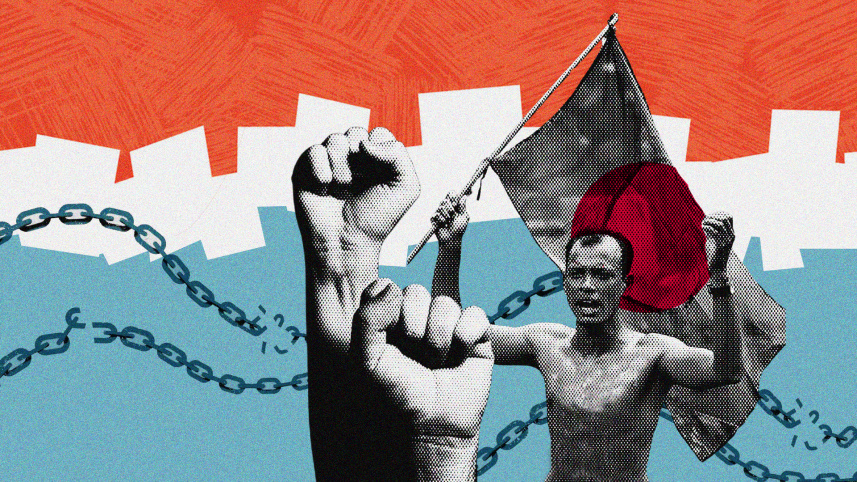
Bangladesh has much to celebrate this International Day of Democracy. On February 12, the country successfully held one of the world’s largest elections of 2026, with close to 7.6 crore citizens participating. The largely peaceful poll and orderly transition to an elected government marked an important achievement for the people of Bangladesh, and for the institutions and individuals who helped make it possible. This achievement opens a window of opportunity to bring democratic institutions closer to people’s aspirations. Those aspirations were powerfully expressed during the student-led movement of July and August 2024, when calls for fairness grew into a wider demand for a body politic that better reflected the people of Bangladesh. Women were present in the movement but largely absent from the decision-making table. The courage of those who spoke out, and the lives lost, remain a powerful reminder of the need for responsive institutions and accountable leadership.
Democracy promises citizens a voice, participation, and representation in decisions that affect their lives and communities. This promise extends to those who are often excluded, including people who live in multidimensional poverty, people with disabilities, Indigenous peoples, and other marginalised groups. Ensuring everyone has a voice in informing public decision-making also gives practical expression to the pledge at the heart of the United Nations’ 2030 Agenda for Sustainable Development of leaving no one behind. Respect for the rule of law, right to information, and freedoms of expression and association help make this possible. Space for peaceful expression and representation of a range of political views also strengthens trust on which lasting peace and stability depend.

Giving these diverse voices a place in national decision-making is central to parliament’s role. Substantive debate and constructive engagement between government and opposition can make it a more dynamic forum for addressing people’s concerns. Prime Minister Tarique Rahman’s participation in parliamentary proceedings and expressed willingness to discuss national challenges with the opposition are encouraging signals.
In our recent engagements with government, electoral institutions, civil society, and other stakeholders, we hear a shared desire to strengthen this connection between people and public institutions. We remain committed to supporting that effort, alongside Bangladesh’s other development partners, guided by the priorities and experiences of Bangladeshis themselves.
Following the parliamentary election, Bangladesh is entering another phase of its democratic journey through local government elections. These elections will bring democracy closer to home, where citizens interact most directly with public institutions and decisions shape everyday services and give effect to community priorities. This is an important moment to consider how women, who make up just over half of the population, can have greater opportunities to participate in democracy and help shape the country’s future. Bangladesh has a long history of women’s leadership, and its 50 reserved parliamentary seats can make an important contribution to women’s role in national decision-making. Alongside women elected to general seats, they bring women’s overall representation in parliament to around 16 percent. Yet only seven women were elected to general seats in February, about 2.3 percent. There is a significant opportunity to build on the reserved-seat system and widen equal opportunities for women to contest and win seats across the political landscape. An inter-party parliamentary caucus could bring parliamentarians together to promote women’s rights, gender equality, and equal and meaningful participation in political life.
Local representatives help shape decisions about water, roads, access to services such as health, education, and other community priorities, including addressing gender-based violence. Greater women’s representation and leadership can make a tangible difference locally, with women bringing in a wider range of lived experience and priorities into decision-making and helping public institutions respond more closely to the communities they serve.
There is already a foundation to build on. Each union parishad has nine general wards and three reserved seats for women, elected by their communities. These reserved seats have opened an important route into public offices. Giving effect to these provisions means supporting women in reserved seats to exercise meaningful influence in the interests of the communities they represent, whilst paving the path for transition into national politics and parliamentary elections.
Working with political parties, electoral institutions, women’s organisations, and communities, we see opportunities to support aspiring women leaders, broaden opportunities for party nomination, widen access to political networks and campaign resources, and make participation safer, including online, protected from hate speech, misinformation, and disinformation. The aim is for more women to be able to put themselves forward, compete fairly and serve effectively once elected. Bangladesh’s commitments under the Convention on the Elimination of All Forms of Discrimination against Women (CEDAW), including equal participation in political and public life, provide common ground for this work. Supporting women’s representation and leadership is part of a wider effort to ensure public institutions are inclusive and respond to the communities they serve. Greater transparency and accountability can strengthen trust in those institutions, during and between elections.
On this International Day of Democracy, we celebrate what Bangladesh has achieved and the possibilities ahead. We look forward to continuing to join hands with the Government of Bangladesh, the parliament, the Election Commission, development partners and civil society organisations across the country to help realise a shared aspiration—a democracy in which all the people of Bangladesh, in all their diversity, can see their lives reflected, their concerns heard and their voices shape the future.
Susan Ryle is Australia’s high commissioner to Bangladesh.
Stephen Rodriques is the resident representative of UNDP in Bangladesh.
Gitanjali Singh is the UN Women representative in Bangladesh.
Views expressed in this article are the author's own.
Follow The Daily Star Opinion on Facebook for the latest opinions, commentaries, and analyses by experts and professionals. To contribute your article or letter to The Daily Star Opinion, see our guidelines for submission.
 For all latest news, follow The Daily Star's Google News channel.
Comments