


Supplementary Education for Slow Learners
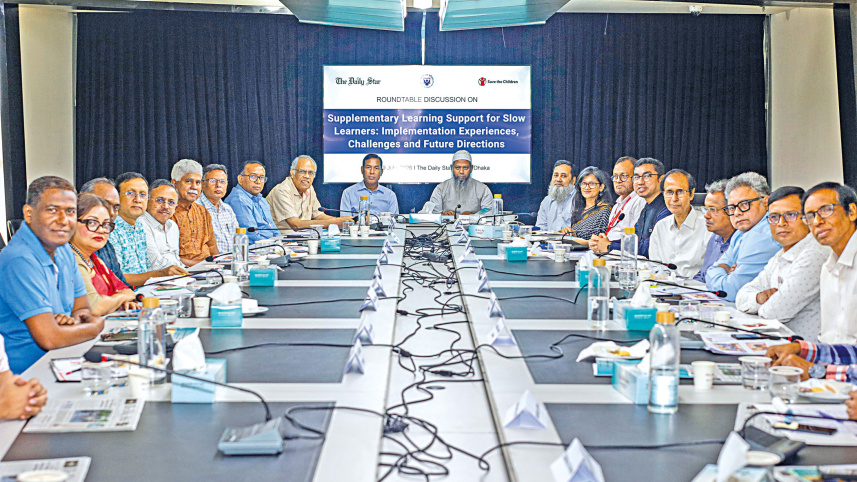
A roundtable titled “Supplementary Education for Slow Learners: Implementation Experience, Challenges and Prospects” was held on 29 July 2026 at The Daily Star Centre, Dhaka. Jointly organised by Campaign for Popular Education (CAMPE) and The Daily Star, with support from Save the Children, the dialogue brought together policymakers, educationists and development sector leaders to discuss limiting factors for Bangladesh’s primary education progression and ways to build an equitable, inclusive and modern education ecosystem.

Farid Ahmed
Director General
National Academy for Primary Education

Recognising that learning gaps vary across institutions, teachers must remain the primary decision-makers in delivering targeted support. Sincerity among teachers often serves as the most decisive factor in student achievement. However, severe systemic obstacles, such as uneven deployment and inconsistent professional quality, continue to hinder progress. Many schools operate with insufficient staff, making structured remediation difficult. Furthermore, parental engagement remains fragmented, with many guardians disconnected from academic milestones. To address literacy, a specialised system is being piloted in Mymensingh Sadar with international partners to refine instructional methods. Overcoming these deployment imbalances and elevating the baseline of teacher quality are essential prerequisites for expanding remedial frameworks nationwide. This institutionalisation within the primary sector is vital for creating a resilient educational landscape. Recommendations emerging from field experiences must be integrated into future planning to ensure that slow learners receive the necessary interventions to bridge existing competency gaps throughout the primary education cycle.
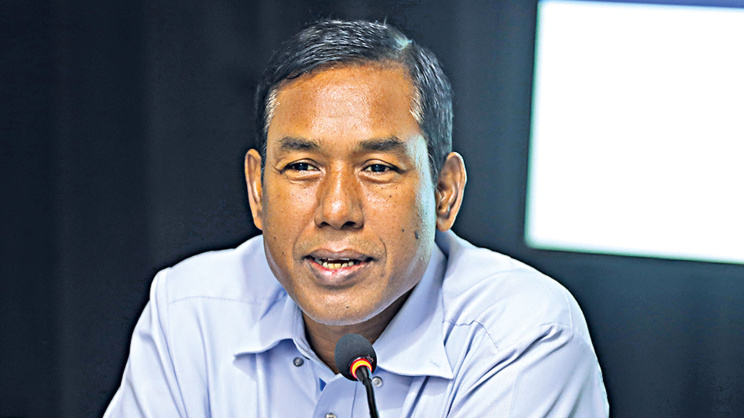
Md. Abdur Rahim
Additional Director General
Directorate of Primary Education
Learning deficiencies represent a systemic crisis extending from primary levels to higher education. These gaps frequently originate from recruitment policies that prioritise academic certificates over a genuine aptitude for teaching. Consequently, a lack of professional dedication often affects instruction across all academic levels. Rectifying this situation requires a collective effort from parents, the economy, and the wider community. Society must cultivate a deep sense of ownership over local schools, ensuring that educational infrastructure and outcomes are protected as public assets. The PEDP-5 framework seeks to address these issues through a stable, long-term curriculum designed to withstand political shifts. This approach ensures students are adequately prepared for the transitions between educational stages. Sustained collaboration among all stakeholders is necessary to bridge existing learning poverty and fulfil the aspirations of guardians nationwide. Strengthening the bond between the community and the school remains the most effective strategy for ensuring sustainable educational progress.
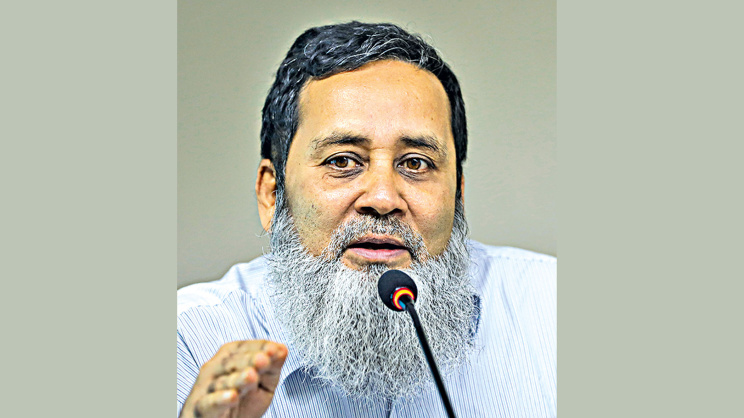
Prof Dr. Md. Iqbal Hyder
Member (Primary Curriculum)
NCTB
International educational models demonstrate that children can achieve language fluency rapidly when provided with targeted, individualised assistance. A significant disconnect persists within the domestic system where many educators fail to identify specific deficiencies, rendering remedial efforts largely ineffective. Although the NCTB has introduced activity-based textbooks with interactive sections, field evaluations across numerous schools reveal these resources are critically underutilised. This lack of practical engagement prevents students from achieving foundational literacy and numeracy. The absence of laboratory-based learning at higher levels further illustrates a trend of acquiring certificates without functional knowledge. To rectify these gaps, teachers must transition beyond theoretical instruction to actively monitor student progress using the provided materials. Enhancing the alignment between curriculum design and classroom practice is vital for ensuring primary students gain functional competencies. Remedial support must be viewed as an integrated process rather than an isolated activity to ensure that the national curriculum effectively addresses the diverse needs of every learner.
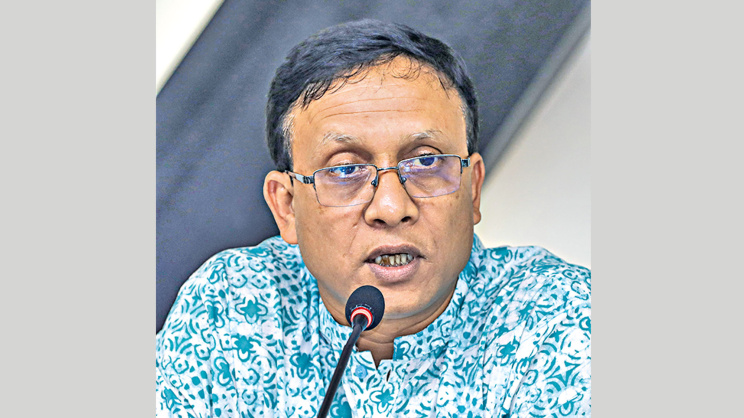
Shah Shamim Ahmed
Professor - Institute of Education and Research
University of Dhaka
Learning deficiencies persist across all classroom environments, regardless of resource density. A dedicated space for remedial education is essential, necessitating a rigorous diagnostic process to identify specific gaps in foundational literacy and numeracy. These gaps often result from irregular student attendance or inconsistent instructional methods, which compound significantly if left unaddressed. Students transitioning to higher grades without resolving these deficiencies face escalating difficulties, frequently resulting in premature withdrawal from the system. Preventing dropouts requires ensuring the classroom environment provides structured, evidence-based support to bridge cumulative gaps. Professional capacity building is vital to enable teachers to manage regular instruction while simultaneously addressing individual learning needs. Prioritising early identification and systematic intervention will strengthen the overall effectiveness of the national primary education framework. Remedial efforts must be tailored to the specific needs of the student, ensuring that the primary years provide a robust foundation for all subsequent academic and professional pursuits.
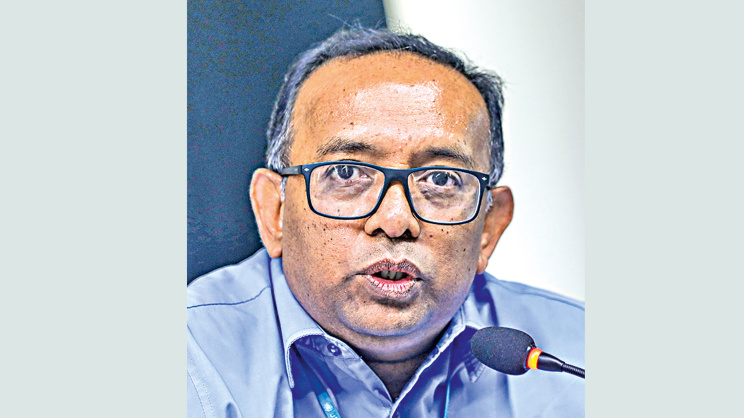
Iqbal Hossain
Education Manager
UNICEF Bangladesh
A profound contradiction exists between high examination pass rates and the actual learning poverty revealed by the National Student Assessment. Effective crisis management requires a holistic shift, integrating personalised learning into the standard education mechanism rather than treating remediation as an isolated project. Evidence suggests that grade repetition is ineffective and fails to improve competency. Furthermore, while private tutoring may enhance examination scores, it shows no correlation with improved foundational skills. Conversely, participation in cultural and athletic activities is linked to higher competency rates. National decision-making must be evidence-based to avoid perception-driven policies. Lessons from successful non-formal education models, which utilised community engagement and accelerated learning, should be applied to the current system. The PEDP-5 must move beyond separate remedial programmes to foster a unified, formative pedagogy. This integration will ensure that the journey from student to competent citizen is supported by a system that addresses gaps in real-time.
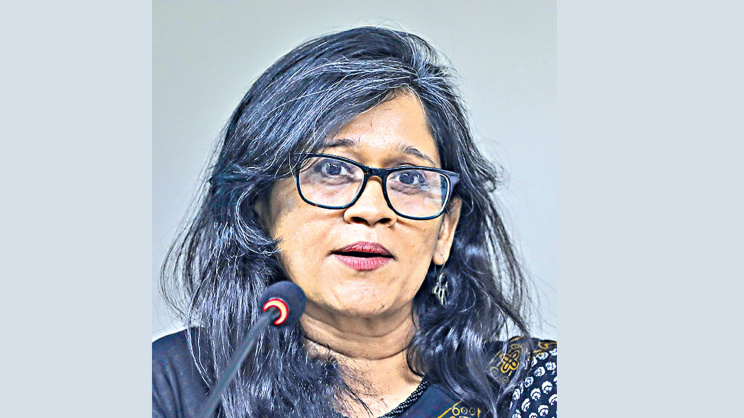
Nadia Rashid
Programme Manager
European Union to Bangladesh
Data from recent assessments indicates that a significant number of children remain unable to perform basic reading or mathematics. While the ideal classroom should cater to all learners, the scale of the system necessitates interim remedial support until mainstream capacity is fully developed. Field experiences highlight that interactive workbooks significantly motivate both teachers and students. These materials should be integrated more deeply into the standard curriculum to support foundational literacy and numeracy goals. Beyond material provision, continuous professional development for educators remains critical. Training must be followed by robust classroom-level monitoring and supervisory support to be effective. Strengthening community and parental involvement is also vital to address absenteeism and support children falling behind. Prioritising resources within the PEDP-5, including community engagement and potential para-teacher support, is essential to bridge existing competency gaps. Ensuring sustainable progress requires a commitment to refining both instructional methods and the support structures surrounding the modern classroom.
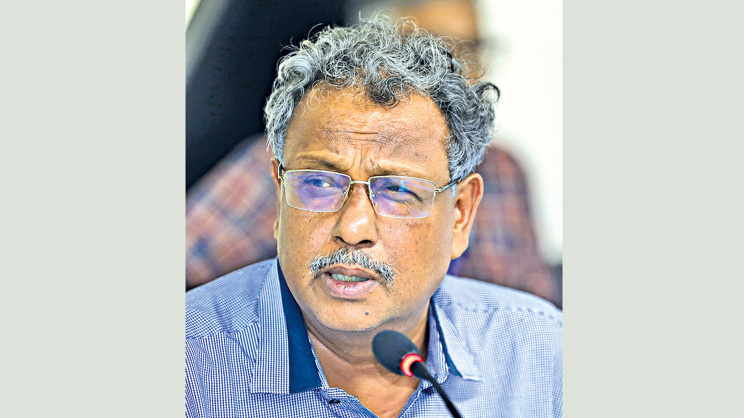
Dr. Md. Shahid Uz Zaman
Executive Director
Eco-Social Development Organization (ESDO)
Systemic absenteeism profoundly undermines both remedial and regular education efforts, particularly in ultra-poor regions where seasonal labour takes priority over schooling. Current data reflects rising child labour rates, necessitating a regional adjustment of the academic calendar to accommodate seasonal economic cycles. Children should not be treated as subjects for constant pedagogical experimentation; instead, proven models must be institutionalised to ensure stability. High-quality instruction in the first grade is essential to prevent the formation of early learning gaps. A significant policy disconnect exists regarding child labour, as authority is split between the Ministry of Labour and the Ministry of Primary and Mass Education. Enhanced inter-ministerial coordination is required to ensure that dropped-out children are traced and reintegrated effectively. Establishing a unified leadership structure will improve the traceability of students and ensure that national enrolment targets translate into actual classroom attendance and successful learning outcomes for the most vulnerable populations.
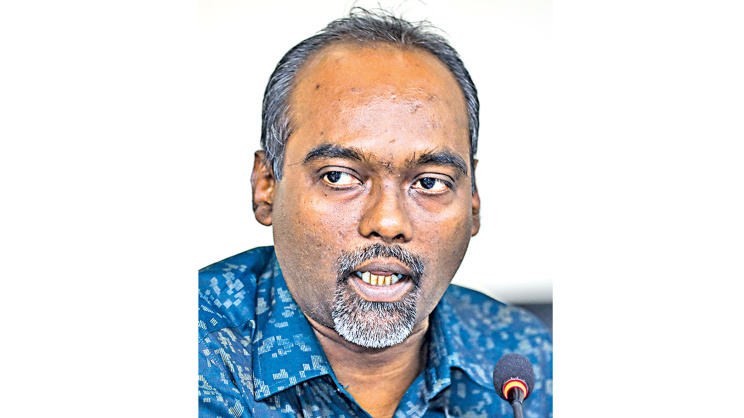
Murshid Akhtar
Professor
Hazaribagh Government College
Official acknowledgement of significant learning loss is the first step toward creating effective solutions. With over half of the student population failing to achieve grade-level competencies, mainstream education must adopt a remedial focus. Factors contributing to this deficit include high absenteeism and an examination system that prioritises rote memorisation over foundational mastery. Current class routines often lack the necessary time for literacy and numeracy, treating all subjects with equal weight regardless of student needs. Remedial strategies should be integrated into regular instruction by assessing prerequisite knowledge before starting new lessons. Teacher training must mainstream these techniques across all professional development modules. Additionally, the ratio of monitoring officials to schools must be improved to provide meaningful mentoring. Strengthening the relationship between schools and local communities is essential for addressing the root causes of absenteeism and ensuring that every child remains engaged within a supportive and effective learning environment.
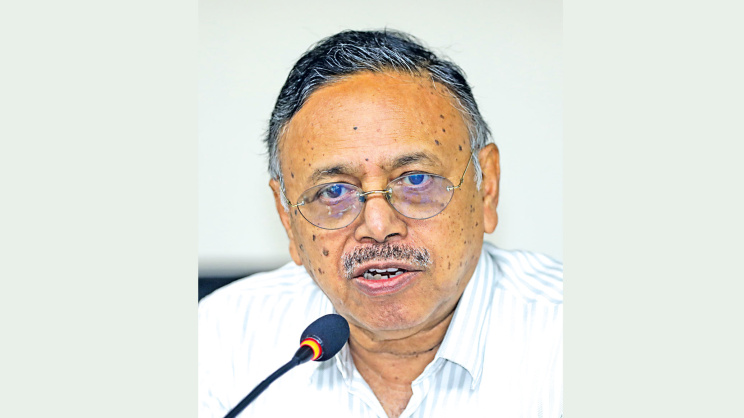
M. Nazmul Haq
Director
Teachers’ Development Institute
Effective remediation support must commence at the first grade to ensure no student is left behind. While a minority of learners may experience biological or psychological difficulties, most learning failures are the result of inadequate instructional quality. Prioritising reading, writing, and numeracy in early schooling, while reducing excessive examination pressure, allows children to build a secure foundation. Consequently, the most skilled teachers should be assigned to early grades to foster engagement and reduce future dropout rates. Classroom dynamics also require urgent attention; excessive student numbers make it impossible for teachers to provide individualised support. Reducing class sizes and extending instructional periods to at least ninety minutes would significantly improve outcomes. If high-quality education is provided from the outset, the widespread need for supplementary remedial support will decrease. For students with genuine special needs, separate support from trained specialists is necessary to ensure equitable progress. A dedicated focus on foundational years is the most efficient path to systemic success.
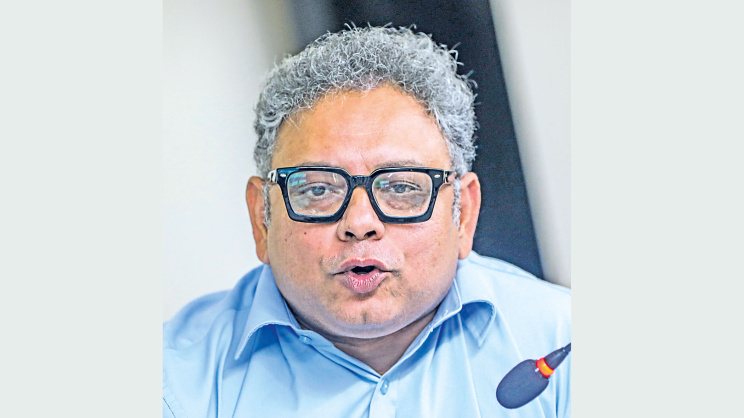
Prof Dr. AKM Mazharul Islam
Professor - Department of Anthropology
SUST
 For all latest news, follow The Daily Star's Google News channel.
 Education must be viewed as a non-coercive process that aligns family, school, environment, state, and media. Currently, many classrooms lack the supportive and positive learning environment necessary to encourage genuine learning. The personality and temperament of teachers are critical, as students are less likely to engage with educators who appear crude or indifferent. Furthermore, national policies frequently overlook regional ecological realities, failing to distinguish between the needs of remote wetlands and urban centres. Political commitment is essential to ensure that curriculum reforms are driven by educational requirements rather than partisan interests. Media outlets must also elevate primary education as a central public priority. Additionally, the psychological health of students is often underestimated, requiring a shift toward a capability-based approach that builds self-esteem. Fostering a synergy between parents and schools is vital for creating a holistic support system. Addressing these macro-level factors will ensure that no child is excluded from the benefits of a well-rounded and attractive education.
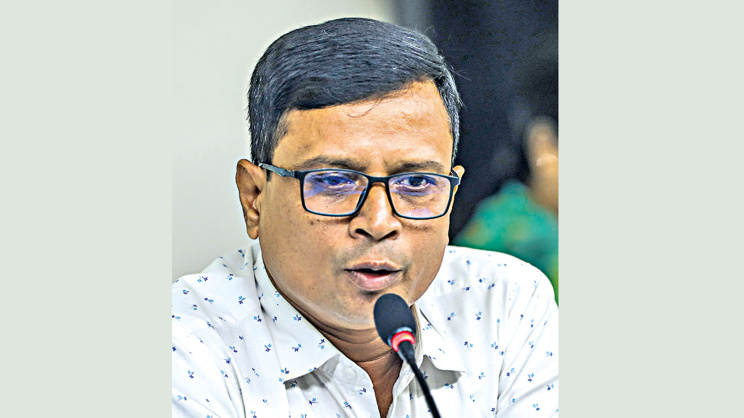
Ritash Chondra Sarker
Instructor
Upazila Primary Education Training Centre in Rajarhat
Adherence to established instructional guidelines is often sufficient to prevent the emergence of remedial needs. Students primarily fall behind due to irregular attendance influenced by seasonal economic shifts and a lack of parental involvement. While remedial materials are being deployed, a disconnect remains between the teaching process and the examination system. Assessments frequently fail to target the fundamental competencies students are expected to master. Strengthening pre-primary education for children aged four and five is vital to ensure they enter the primary level with adequate preparation. Field observations suggest that school inspections often lack clear objectives and fail to provide the necessary mentorship for teachers. Furthermore, monitoring officials frequently lack a unified interpretation of official guidelines, leading to inconsistent implementation. Establishing a clear, common understanding among parents, teachers, and officials is critical for success. Strengthening the coordination of these stakeholders will ensure that remedial initiatives effectively bridge the gaps created by external socio-economic challenges.
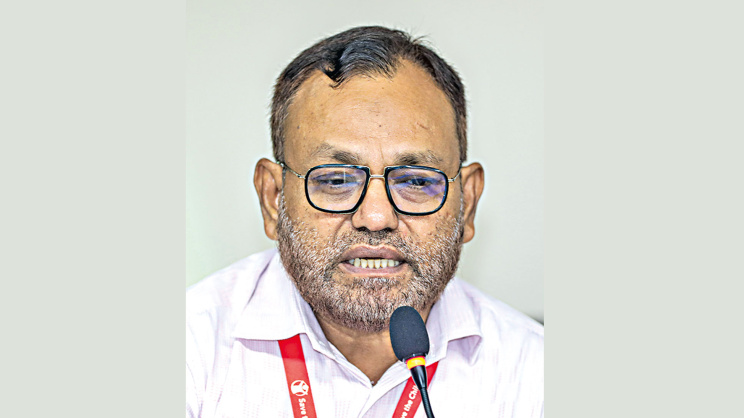
Shahin Islam
Education Lead
Save the Children
The ‘Empowering Children Through Education’ project addresses learning gaps across hundreds of government primary schools in Kurigram and Jamalpur. By supporting thousands of children and teachers, the initiative aims to reduce dropout and repetition rates through structured interventions. Key components include the development of remedial workbooks and the establishment of Teaching Learning Circles for peer mentorship. A dedicated facilitation guideline for remedial training has been created in coordination with national bodies to strengthen the PEDP-5 framework. Digital training modules are also prepared to expand the reach of these methodologies to a larger educator cohort. The project emphasises the necessity of engaging local communities and parents to build a supportive ecosystem for struggling learners. Field data indicates that consistent remedial support significantly enhances foundational literacy and numeracy. These successful models offer a viable pathway for institutionalising supplementary education within the national system, ensuring that marginalised and vulnerable students achieve their full academic potential.
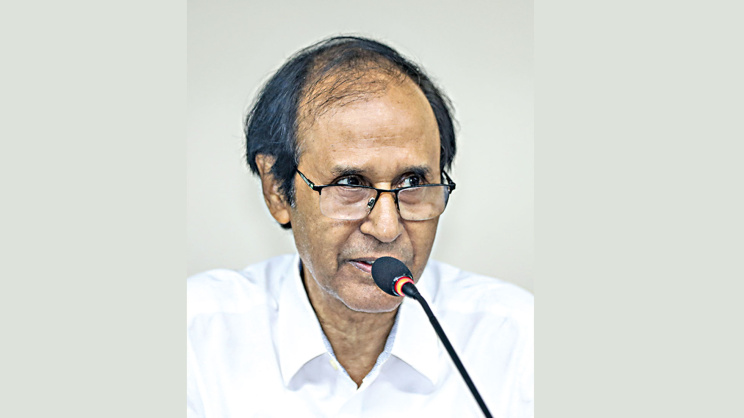
Tapon Kumar Das
Deputy Director
CAMPE
Efforts to expand remedial education nationwide rely on existing practices transformed into a modern framework of rights. This assistance should not be viewed as a punitive measure but as an essential entitlement for every learner Integrating structured remedial strategies into the PEDP-5 remains a primary objective, bolstered by collaboration with non-state sectors The strategy focuses on enhancing the abilities of slow learners to ensure they maintain competitive parity with their peers. Successful field models provide a refined blueprint for government schools to adopt and scale. Despite persistent challenges, the goal remains to deliver targeted support to every learner in need. Expert recommendations are vital for guiding the refinement of national education policies, ensuring that slow learners are effectively integrated into the mainstream. The transition toward an institutionalised system is a critical priority for sustainable national development. By harmonising local experiences with national planning, the education sector can secure the future of the nation’s human resources.

Tanjim Ferdous
(Moderator of the session) Head of Strategic Partnerships
The Daily Star
Current educational discourse must shift focus from mere schooling to genuine learning outcomes. Significant gaps, exacerbated by the global pandemic, disproportionately impact marginalised students. Remedial education should transcend project-based initiatives to become an institutionalised component of the national framework. Assessing whether a child acquires true competency is critical for future economic stability and human resource development. Collective action and mutual accountability between government bodies, researchers, and media are essential. Integrating these recommendations into national initiatives will ensure long-term progress and educational equity for every child across the nation.
Kamal Ahmed, Consulting Editor of The Daily Star;
Jyoti F Gomez, Treasurer of CAMPE;
Prafulla Chandra Barman, Senior Advisor of BRAC Education Programme;
Md. Hafizur Rahman, Stakeholder Engagement Manager of Room to Read;
Shahinur Al Amin, Teacher of Government Primary School Rupganj;
Tahsina Taimur, Senior Education Manager of Save the Children and
Md. Towhidul Islam, Deputy Director of Directorate of Primary Education
Also participated in the discussion.
Recommendations
- Institutionalise remedial education within the national PEDP-5 framework for long-term sustainability.
- Prioritise aptitude-based teacher recruitment and balanced deployment to eliminate instructional gaps.
- Adopt competency-based diagnostic assessments to identify and address individual learning gaps early.
- Focus on foundational literacy and numeracy from Grade 1 to prevent cumulative setbacks.
- Align regional academic calendars with seasonal economic cycles to reduce student absenteeism.
- Strengthen community and parental engagement to foster a holistic support system for learners.
Comments