


The system is failing our children

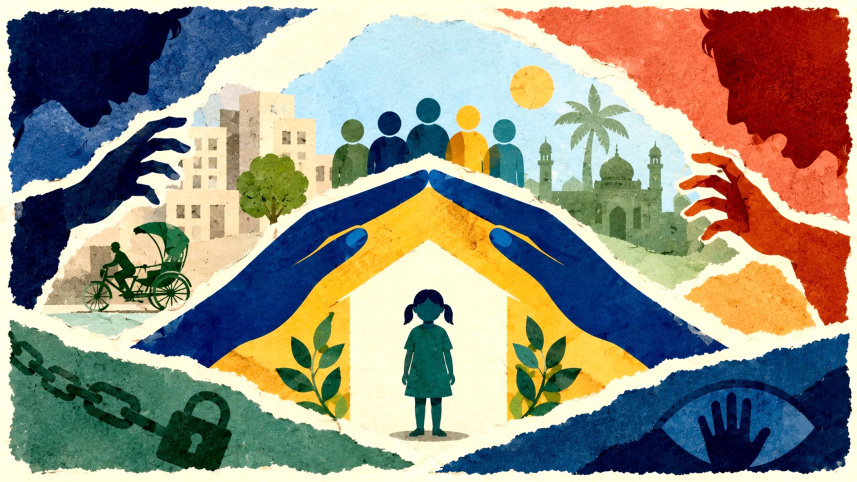
A forwarded message on a WhatsApp group recounted how guards recovered a child at a city hospital who was being secretly taken away from his mother. The child’s scream alerted the guards to challenge the woman who was trying to steal him. We heaved a collective sigh of relief that he did not add to the tally of 15,717 children who were reported missing across the country between January and July this year (2,038 of them still untraced). The number found a human face when the images of a 13-year-old boy started flooding our newsfeed. Ishiat Shahriar Oprotim was not fortunate. He was the son of a university teacher. His death struck educated, middle-class families directly as we identified him as “one of us”. The bubbly boy with a zest for life, allegedly killed in the Lalmai Hill area in Cumilla over an expensive phone, brought everyone to tears.

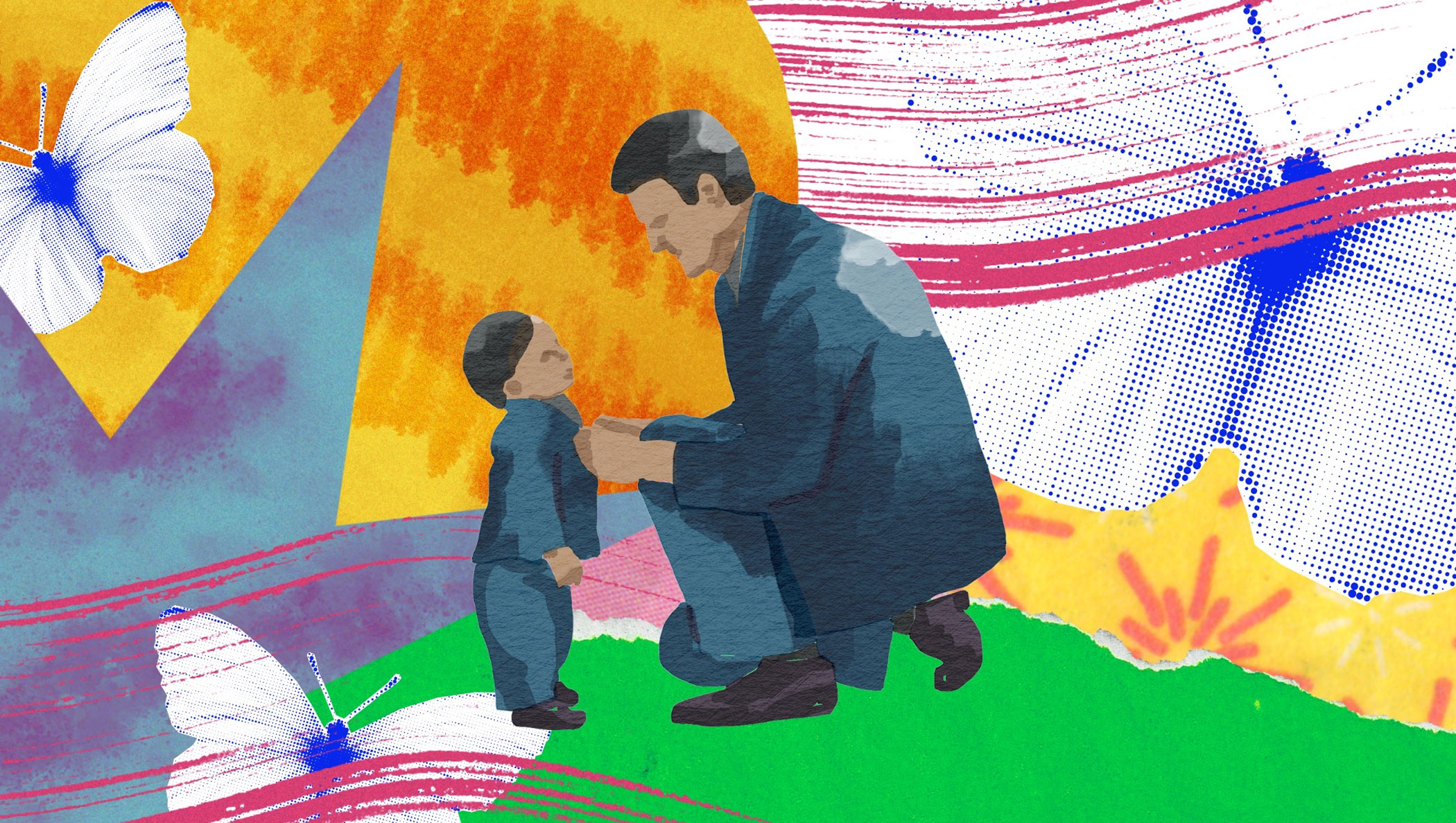
Then stories started circulating about Oprotim’s associations with older companions and alleged links with a teen gang. Our fragile sympathy began to fade as we found comfort in victim-blaming, suggesting that Oprotim deserved to die simply because he supposedly rode bikes dangerously, posed for TikTok videos, and made unsavoury comments—as if doing so justified his fate. We forgot to see a child as a child and brought in our social, political and cultural baggage to do visceral dissection of the deceased’s life to place us on a moral high ground, or shift all the blame to his parents who, despite their educational veneer, failed to protect their child from getting in the harm’s way.
Without a thorough investigation, we will not know the full circumstances surrounding Oprotim’s death. Four accused have been detained and sent to jail in connection with the murder. Unconvinced, the victim’s mother has requested a DNA test to determine the accused’s true ages, which would allow for the possibility of them being tried as adults. Per the country’s Children Act as well as Unicef, a child is an individual under 18 years of age. On the other hand, the Penal Code, which governs criminal responsibility, asks if a child older than nine but under 12 has sufficient maturity to understand the nature and consequences of a criminal act. Why children lose their innocence prematurely is another difficult question.
The other day, I found myself stuck at a traffic signal, where a young boy served as the conductor of a human haulier in front of me. He was sitting on the back pedestal. His large, expressive eyes scouted the surrounding area. He had an appearance of premature seriousness or wisdom born of hardship. For a split second, I saw the reflection of Oprotim in him. They were roughly of the same age. The boy in front of me clearly did not have the luxury of having parental pampering. Under the international labour standards, he would not be allowed to be in such a dangerous profession under 18. Yet, here we are, ignoring the reality that a school-going child is allowed to swirl through busy Dhaka streets to bring in passengers, confront grown-ups for fares, or negotiate with both uniformed and un-uniformed extortionists at every intersection. If he dies in one of these encounters, will we have the same outburst of emotions?
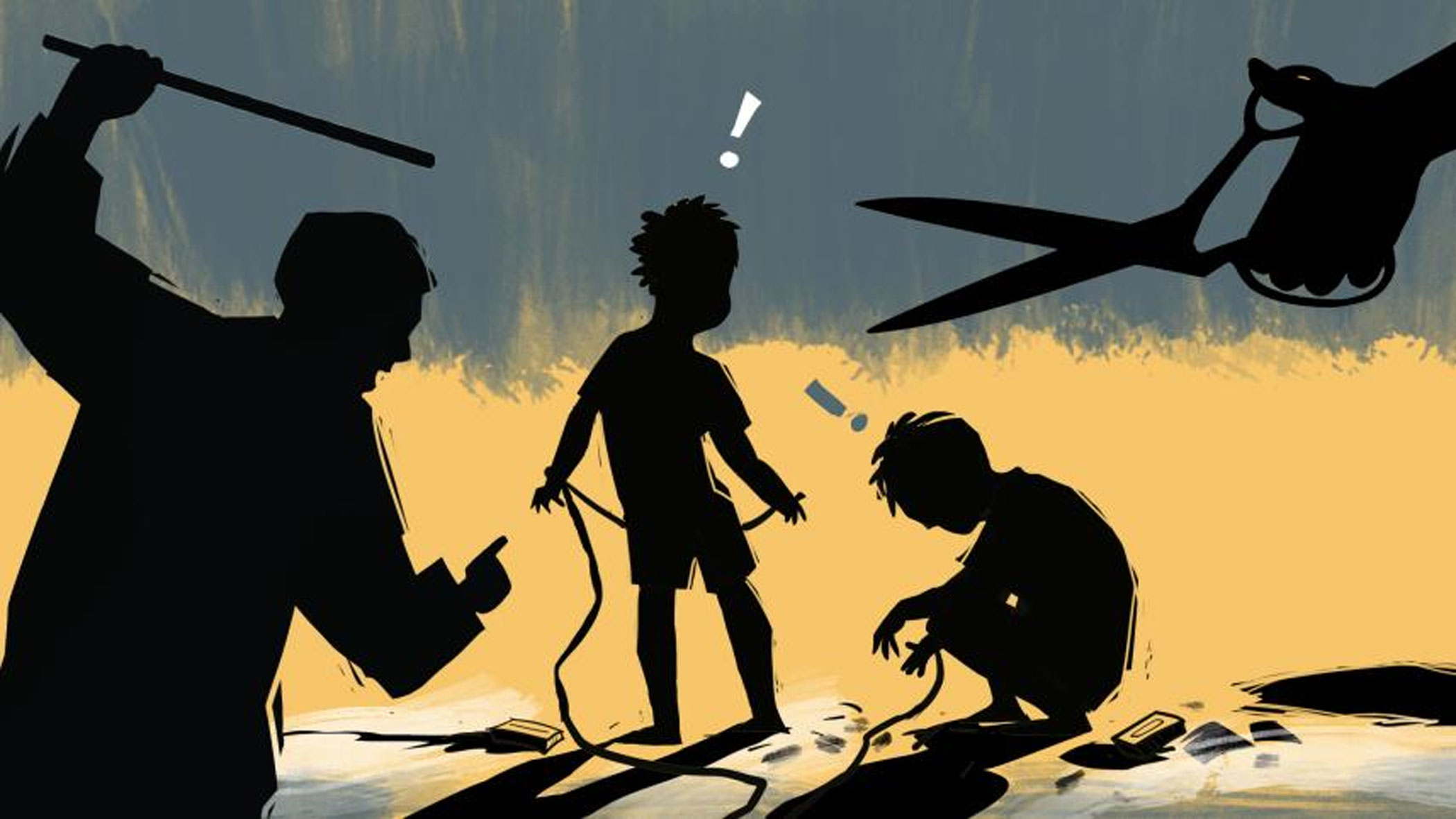
Our system operates on a deficit of trust. Oprotim trusted his friends. He was last seen walking together with his presumed murderer. Images help us solve many missing pieces of a mystery. But sometimes they add to further misery. We have seen a number of incidents of leaked photos and video clips of both boys and girls being abused by their teachers in schools, coaching centres, madrasas, and on the streets. It seems children are unsafe everywhere (grown-ups aren’t safe either). But what worries me the most is that, instead of thinking of it as a national calamity, we have grown accustomed to habitual apathy. We create excuses to elevate ourselves to a moral plateau from which every act of violence is rationalised or justified.
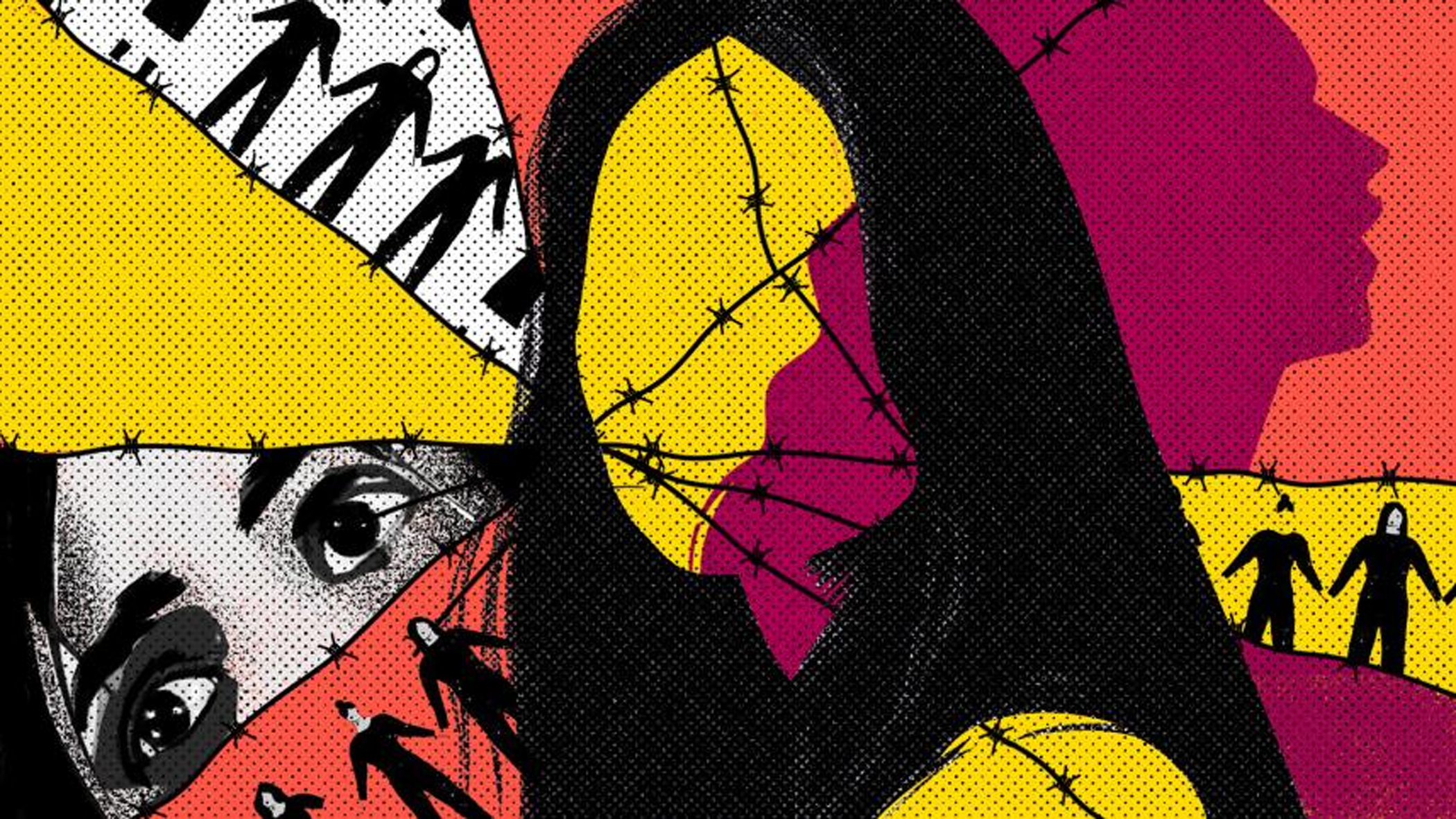
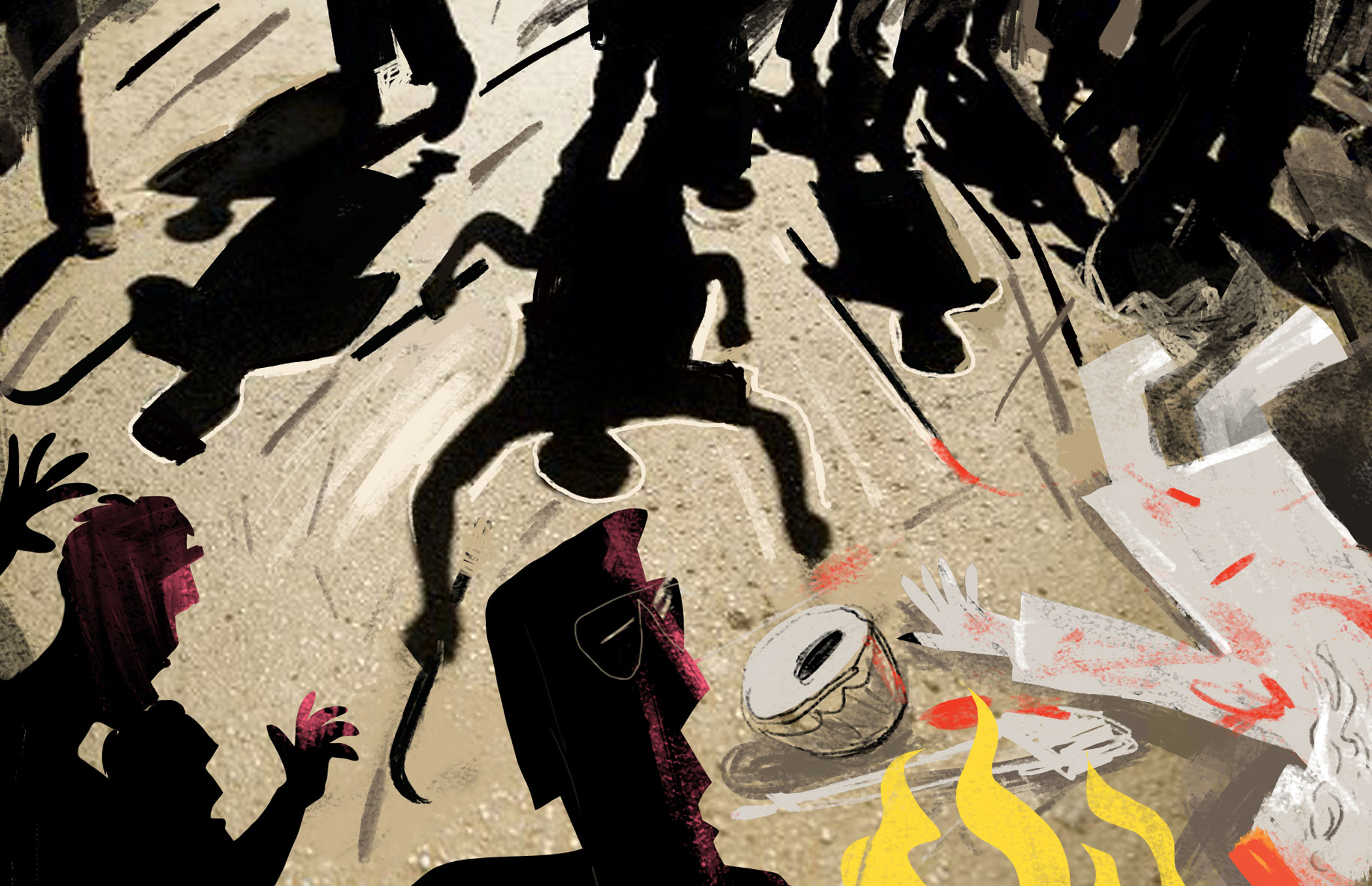
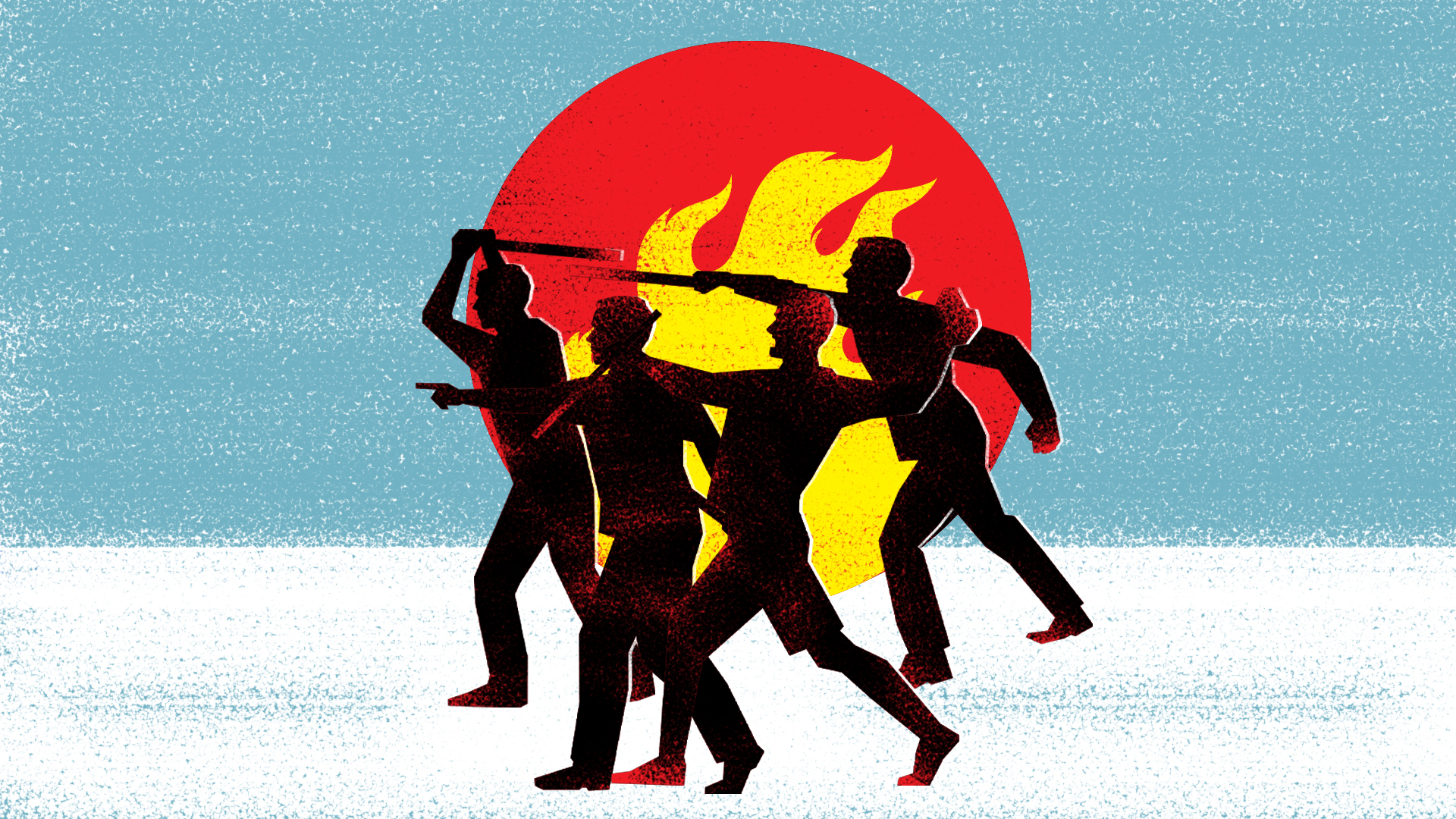
We are constantly failing in our sacred duty of protecting our children. The situation gets worse when we realise that protections are available only for those who have powerful backings. The alleged murderers of Oprotim are reportedly receiving protection from their political allies who engaged them in the mobocracy.
This patronage brings us to the recent video footage of a speeding car slamming a lamp post on a somewhat deserted road in Dhaka’s diplomatic zone. A 24-year-old man named Mehedi Hasan, who came to the city in search of work, was resting on the pavement when a car ran into him. Mehedi died instantly. We don’t understand why the teenager detained at the scene—whom the footage shows emerging from the driver’s seat of the car after the crash—was excluded from the accusation. The police case named the family driver as the accused instead of the 17-year-old. A private settlement of Tk 9 lakh has been reported. What message does that give to the child and his peers if money can erase death charges? How powerful do you have to be to hush up an accident and replace the perpetrator with another? Justice loses its meaning when our insistence on it stops at the edge of our social circle.
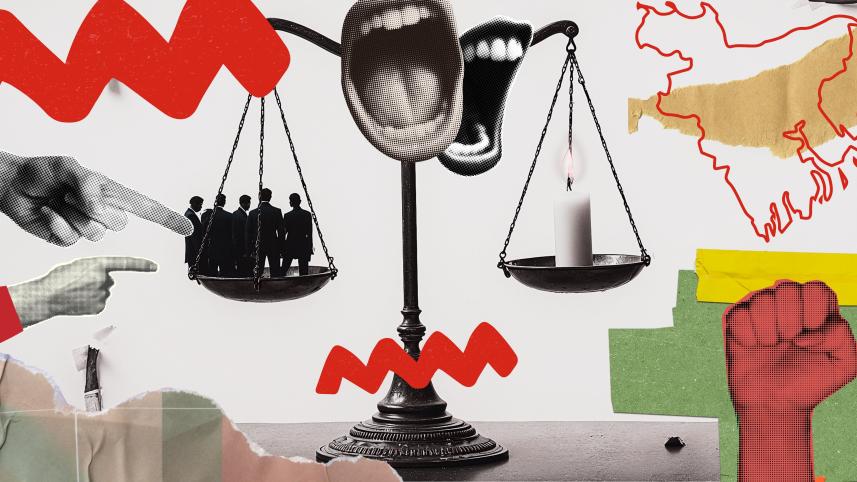
The reported out-of-court settlement may help the victim’s family with immediate needs, but it will do long-term damage to our institutional trust. If a family with means appears able to redirect blame, every young observer receives a lesson about power. For Oprotim, the son of a university teacher, the source of power might have come from his alleged association with a youth gang. For a schoolboy, the notion of power can stem from his connection with a political leader. There is no way we can look at these acts of violence without referring to hidden arrangements that tend to normalise them. We should ask why a worker’s safety is so fragile, why an unequal negotiation can look like closure, and whether a child from a less influential family would receive the same care in the justice process. A society teaches through its procedures as surely as a school teaches through its lessons. We must learn from our teenagers and help them navigate their challenges in the post-July political climate of rebellion and violence. Only by learning about their needs can we offer them the protection they require.
Dr Shamsad Mortuza is vice-chancellor at the University of Liberal Arts Bangladesh (ULAB).
Views expressed in this article are the author's own.
Follow The Daily Star Opinion on Facebook for the latest opinions, commentaries, and analyses by experts and professionals. To contribute your article or letter to The Daily Star Opinion, see our guidelines for submission.
 For all latest news, follow The Daily Star's Google News channel.
Comments