


Make child safety non-negotiable in residential madrasas

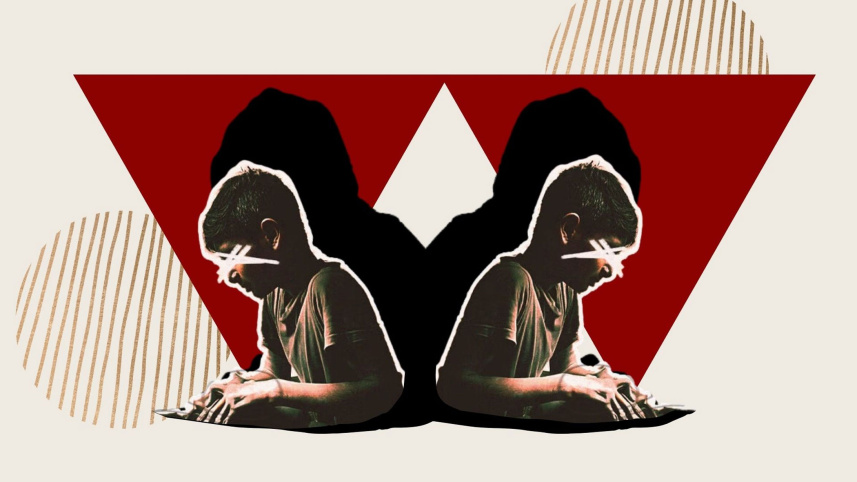
Last month in Savar, a father noticed an alarming change in his seven-year-old son after he returned from his madrasa: withdrawn and ill. The boy had been sent there to learn the Quran and live under the care of adults his family had trusted. Instead, according to a case filed by his father, he was allegedly subjected to repeated instances of sexual abuse involving teachers and senior students between February and July this year. When the family reported the incident to the madrasa director, they were threatened and warned to remain silent. The question here is not merely how the abuse could continue for months, but why an institution responsible for a child’s care lacked the basic safeguards needed to protect him.
This is why every residential madrasa needs mandatory child-safeguarding standards—just as any general residential educational institution does. These standards should require madrasas to prevent abuse, identify warning signs, provide confidential reporting channels, ensure independent investigations, and hold those responsible accountable.

The Savar incident, unfortunately, is far from isolated. In recent times, there has been repeated coverage of such abuse allegations in madrasas, as well as confessions from alleged perpetrators. These certainly warrant closer examination, particularly when there is no reliable way to establish the scale of the problem. Ain o Salish Kendra recorded 38 incidents of children (up to 18 years) being sexually harassed by teachers and 52 male children being raped in January-August 2026. The Human Rights Support Society recorded 1,890 child abuse cases between January 2025 and April 2026, including 580 rape cases. But none of these figures show how many cases occurred inside residential madrasas.
Bangladesh does not maintain a separate dataset for abuse that takes place in these facilities, making it difficult to know how widespread the problem actually is. Reportedly, madrasas accounted for 59 percent of reported abuse cases across all educational institutions in 2024-25, even though only around one in six students were enrolled in madrasas. This disparity alone warrants closer scrutiny of how these institutions are monitored and supervised.
Each case has its own circumstances and deserves to be treated accordingly. Taken together, however, they point to a deeper institutional weakness. Children living full-time in a strict, hierarchical environment, often far from home and family, can be especially vulnerable. They depend heavily on ustads and wardens for food, shelter, education, and even emotional support. Within such a starkly imbalanced power structure, children may remain silent when faced with abuse. A frightened child may not even know how to explain what is happening. The child in the Savar incident spoke to his family only after other students secretly alerted them. By then, he was already seriously ill. According to Manusher Jonno Foundation, child sexual abuse within madrasas is rarely reported unless the injury is severe or fatal due to the culture of fear and secrecy.
Currently, madrasa staff are not subject to mandatory screening: no routine background checks, public registry, or system exist to cross-check teachers moving between institutions and facilities. In 2009, the High Court ordered educational institutions to establish sexual-harassment complaint mechanisms; in 2011, it declared corporal punishment unlawful and unconstitutional. While Alia madrasas fall under formal government oversight, many Qawmi and privately run residential institutions operate beyond state supervision, creating significant gaps in monitoring, staff training, and child protection.
Bangladesh already has a legal framework for protecting children. The National Children Policy 2011 calls for children to be protected from physical, mental, and sexual abuse while also providing stronger monitoring in educational institutions. The Children Act, 2013 and the Constitution of Bangladesh also provide legal protections for children’s safety and welfare. The problem, therefore, is not the absence of child-rights laws but the lack of enforceable safeguarding systems. The cost of inaction extends beyond criminal cases. Abuse can leave behind trauma, disrupt a child’s education, and erode their trust in adults and educational institutions. None of this is an argument against madrasa education. But institutions and facilities entrusted with children must meet basic safety standards. Shielding an institution from scrutiny does not protect its reputation; it can instead preserve the conditions that keep abuse hidden.
Arresting certain individuals will not address the institutional failures that enabled abuse. Madrasa boards and management must also answer for what happens under their roofs. Anyone working with children should first be properly vetted through criminal record checks, references, and qualification verification, alongside basic child-protection training. Madrasas should have written rules on physical contact, one-to-one supervision, corporal punishment, and humiliating treatment. Children and families should have confidential reporting channels independent of the institution. Independent audits and inspections are also essential. Authorised government or independent child protection inspectors should be able to conduct unannounced visits to madrasa dormitories, review records, speak privately with students, and recommend actions if necessary. Finally, children must be taught to recognise unsafe behaviour, speak up, and identify a trusted adult.
A residential madrasa, or any other educational facility, should be a safe place for children to learn and grow. It should never become a place where violence takes away one’s sense of safety or drives a child away from the life they deserve. To that effect, the authorities must ensure mandatory, enforceable safeguarding standards for every residential madrasa, independent oversight of those standards, and the political will to make compliance non-negotiable.
Abdulla Al Rahat is a research and development intern at UniV and a master’s student at Islamic University, Kushtia. He can be reached at rahatabdullah72428@gmail.com.
Views expressed in this article are the author's own.
Follow The Daily Star Opinion on Facebook for the latest opinions, commentaries, and analyses by experts and professionals. To contribute your article or letter to The Daily Star Opinion, see our guidelines for submission.
 For all latest news, follow The Daily Star's Google News channel.
Comments