


Time to put warning labels on unhealthy packaged foods

For 22 years, I have worked in various development organisations in Bangladesh, focusing on health and rights. Over my career, I have worked on public health issues such as malnutrition, infectious diseases, maternal health, child health, and drug user. At one point, I thought I knew enough about healthy living and nutrition. But at this stage of life, I realise that perhaps the biggest lesson was still to come.
When my two sons were young, they didn’t want to eat vegetables or fish. It wasn’t easy to fight that battle every day in a busy life. To keep them happy, save time, and somewhat unknowingly, packaged foods, instant noodles, chips, soft drinks, biscuits, and various processed foods gradually became regular items in our family’s diet. Back then, I believed that products made by big brands would be safe; that expensive meant better; and that modern packaging meant nutritious.

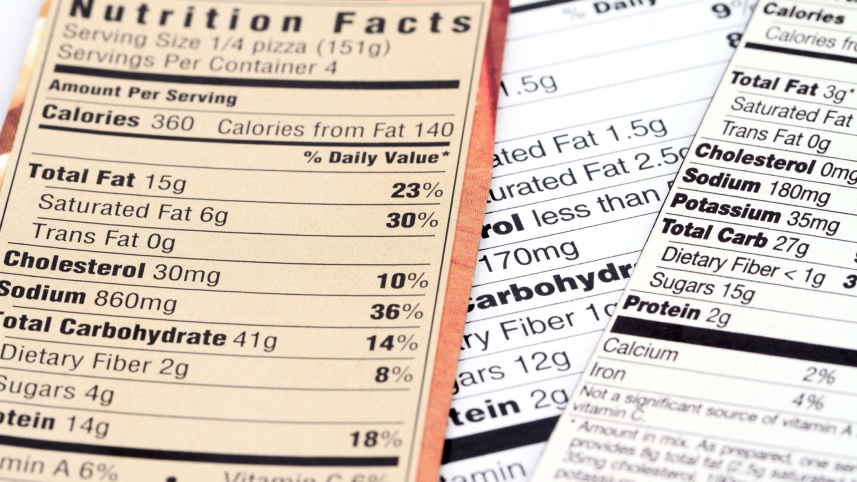
But recently, while working on a public health initiative to introduce Front-of-Pack Labelling (FOPL) for packaged foods, my perspective changed. Reading research, scientific evidence, and international experiences, I discovered that a 350 ml bottle of soft drink can contain about 10 teaspoons of sugar, while a majority of savoury packaged foods contain unsafe amounts of salt. These food products are known to contribute heavily to conditions like obesity, diabetes, and high blood pressure. While shopping, I never realised these facts because there is an imbalance of information in the market. The producer knows what’s in their product, but the consumer does not. This information gap has created a dangerous food culture.
Bangladesh is facing an upsurge of non-communicable diseases (NCDs). The majority of deaths in the country are now due to heart disease, stroke, diabetes, cancer, and other long-term non-communicable diseases. Even more worrying is that these diseases are affecting younger people. Diseases once thought to be only for the elderly are now seen among youth, teenagers, and even children. Obesity, for instance, is a harbinger of diabetes, heart disease, and various complications.
We usually discuss treatment, but rarely talk about prevention. But prevention is much more effective, humane, and economically affordable than treatment.
In this context, FOPL is a basic right of buyers to know more about what they are consuming. If there are large and clear warning labels on the front of a package of food, a buyer will know instantly whether a food contains excess sugar, salt, or saturated fat. This enables people to make informed decisions, while also putting pressure on food producers to use healthier ingredients.
Many countries around the world have already implemented this system. Research specific to Bangladesh has shown that clear warning labels help people choose healthier foods. If Bangladesh wants to reduce the growing burden of non-communicable diseases, there is no alternative to adopting healthier food policies.
Today, when I look at my son, I wonder whether I—out of love and because of ignorance—pushed him towards a dietary habit for which he may pay a long-term price. This realisation is the reality for countless families in Bangladesh.
We buy expensive toys for our children, look for good schools, and try to provide them with advanced healthcare. But we must also investigate whether the food we place in their hands every day is sowing the seeds of a serious disease.
It is therefore high time for the government to mandate FOPL for packaged foods. Misleading advertisement of unhealthy foods targeted at children must be controlled. The easy availability of unhealthy food items near schools must also be reduced. At the same time, families, educational institutions, the media, and the health sector must come together to promote healthier eating habits.
An FOPL could make a mother stop and think; encourage a father to choose a different food product; and help protect a child from serious illness in the future. Ultimately, the decision of a conscious parent could change not only their own child’s future but also the future of our nation.
Mahbuba Rahman is a development worker. She can be reached at mahbuba@dam-health.org.
Views expressed in this article are the author's own.
Follow The Daily Star Opinion on Facebook for the latest opinions, commentaries, and analyses by experts and professionals. To contribute your article or letter to The Daily Star Opinion, see our guidelines for submission.
 For all latest news, follow The Daily Star's Google News channel.
Comments