Along the Kapotaksha, in search of Madhusudan’s river
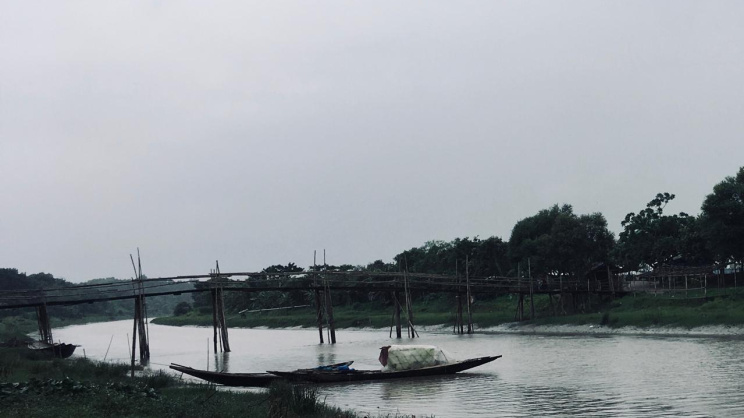
Joydev sat on a tiled bench beside the Kapotaksha, his cloudy eyes fixed on the river before him. An ageing boatman who has spent much of his life on these waters, he was waiting for passengers as intermittent rain fell over Sagardari.
The river he remembers from his youth was very different.
“In the past, the river was completely full,” he said, pointing towards the embankment above the present waterline. The water once rose much higher, he recalled. Today, stretches of the river are shallow and clogged with water hyacinth.
The Kapotaksha—also rendered as Kopotakkho, Kobodak or Kabadak—has been part of Joydev’s livelihood for decades. But earning a living from it has become increasingly difficult.
During the monsoon, he said, visitors are scarce. He charges around Tk 200 per passenger for a boat ride. Winter is better: with more visitors arriving, particularly around Sagardari, he can sometimes earn close to Tk 2,000 a day.
Yet what worries him most is the river itself.
From Europe, the river became a vessel for his memories of Sagardari, Bengal and a homeland impossibly far away. He had travelled far and seen other rivers, but none could replace the Kapotaksha of his memory.
“Silt and waste are choking the river to death,” Joydev said. “If it is dredged, the river will live again.”
For people here, however, the Kapotaksha is more than a struggling waterway. It occupies an extraordinary place in Bengal's literary imagination.
On its bank stands Sagardari, the village in present-day Keshabpur upazila of Jashore where Michael Madhusudan Dutt was born on January 25, 1824. Nearly two centuries later, the river and the poet remain inseparable in popular memory.
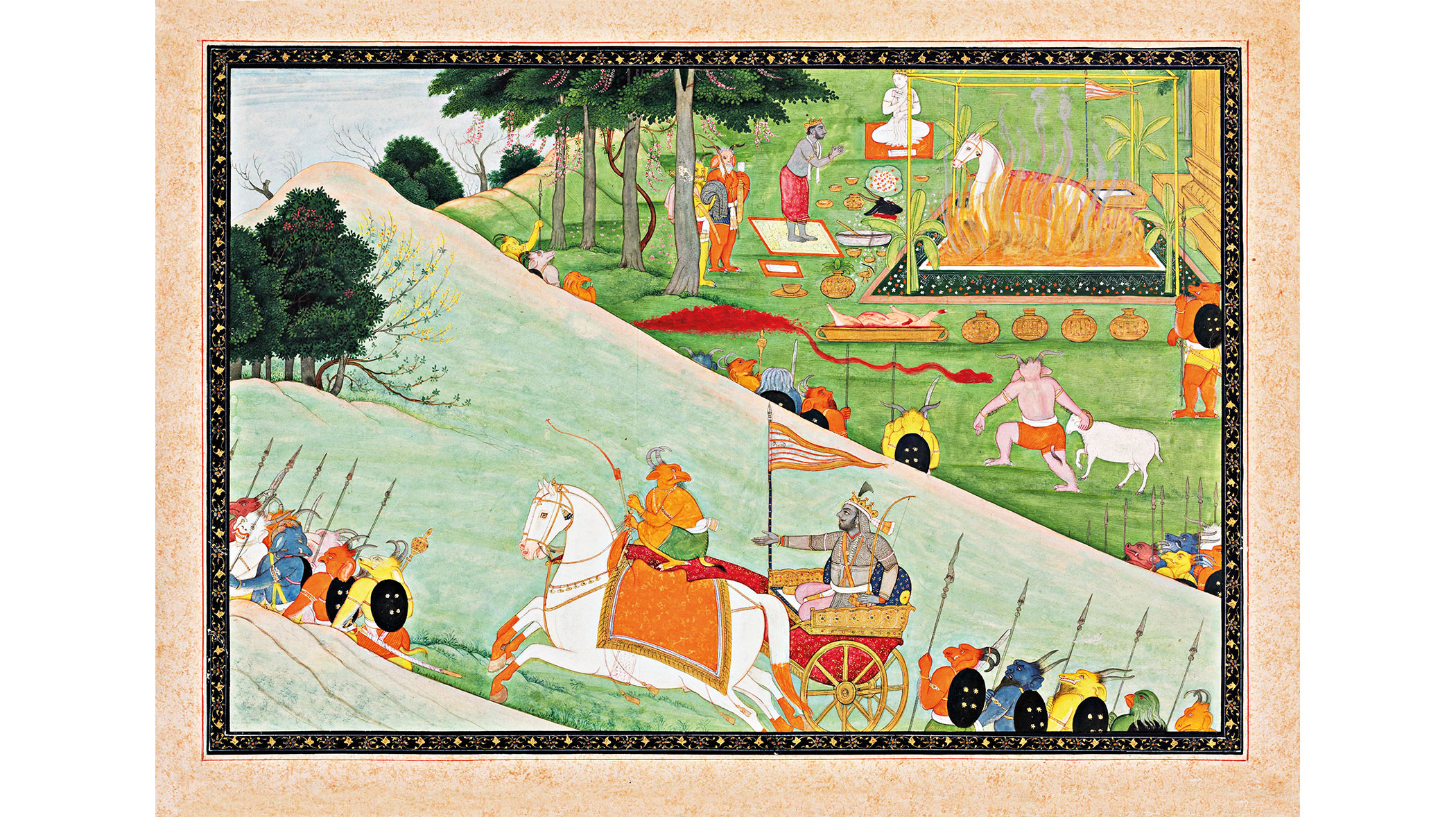
Madhusudan transformed 19th-century Bengali literature. A poet, dramatist and relentless literary experimenter, he pioneered the use of blank verse in Bengali poetry and introduced the sonnet into Bengali literature. His Meghnadbadh Kavya, published in 1861, became his defining epic, dramatically retelling an episode from the Ramayana from the perspective of Ravana's son Meghnad.
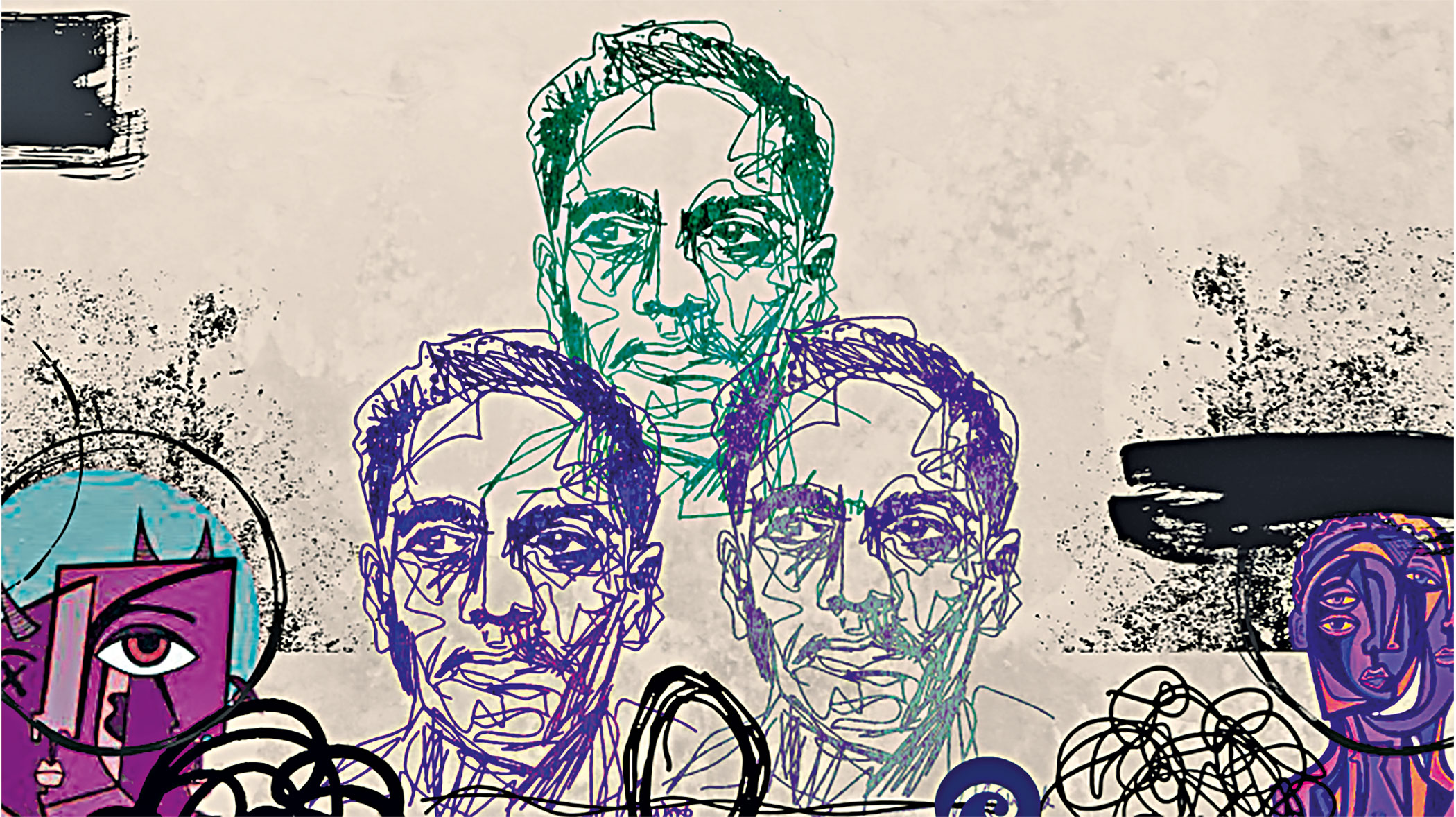
But one of his most enduring poems returned not to myth or epic warfare, but to the river of his childhood. Madhusudan left India for England in 1862 to study law and enrolled at Gray's Inn. His years in Europe were marked by serious financial distress, and he repeatedly sought assistance from Ishwar Chandra Vidyasagar. However, it was during his European years that Madhusudan composed the sonnets eventually collected in Chaturdashpadi Kabitabali, published in 1866.
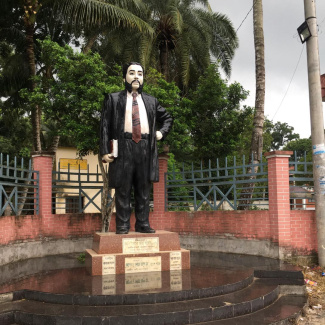
Among them was Kapotaksha Nad.
From Europe, the river became a vessel for his memories of Sagardari, Bengal and a homeland impossibly far away. He had travelled far and seen other rivers, but none could replace the Kapotaksha of his memory. Madhusudan addressed the Kapotaksha almost as a living companion, asking it to carry his name back to the people of Bengal.
In Abu Rushd's English translation:
“Sing my name into the ears of the people of Bengal,
Sing his name, O dear, who in this far land
Sings your name in all his songs for Bengal.”
That association has endured. At Sagardari, where Madhusudan was born, his ancestral home, the village and the river together form a landscape inseparable from the poet's memory.
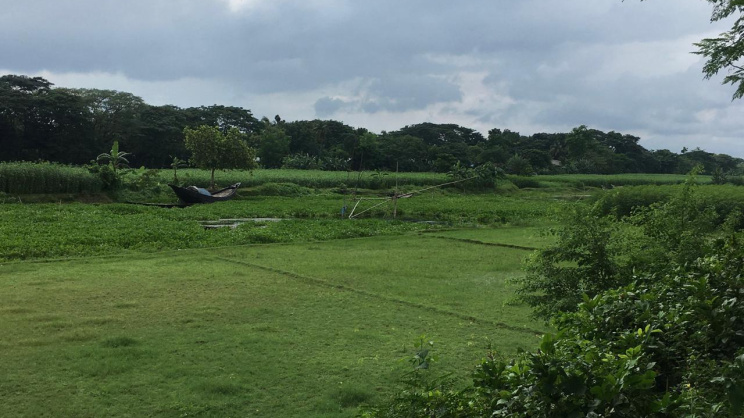
Yet the Kapotaksha is not merely a literary relic. People still depend on it and its surrounding waterways for farming, fishing and other livelihoods. At the same time, siltation, encroachment and declining flow have taken a heavy toll. In parts of Jashore and Satkhira, the deterioration of waterways has also contributed to persistent waterlogging.
These problems eventually gave rise to an organised campaign to save the river. By the beginning of the 2010s, the Kapotakkho Rakkha Andolan, or Save Kapotaksha Movement, was bringing together residents, environmental activists and experts to demand its restoration. In 2011, campaigners called for measures to restore its flow and argued that local communities should have a voice in decisions about the river.
The government has since undertaken excavation and other restoration projects in parts of the river. But the Kapotaksha remains under pressure, and its present condition is a far cry from the river Madhusudan remembered from Europe.
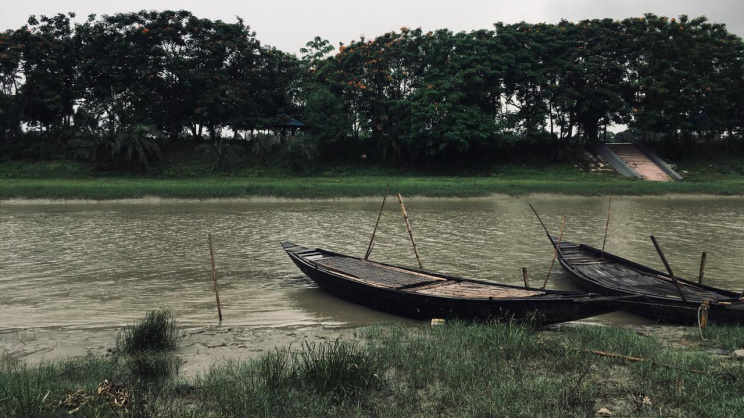
However, standing on its bank at Sagardari, it is difficult not to think of the poet who once looked upon the same river as a child.
He wrote:
“You are ever in my mind, O River,
And ever in this loneliness I think of you.”
Fatema-Tuz-Zohora is a teacher and writer by training and passion, whose writings explore the healing of nature and the wisdom of literature.
Send your articles for Slow Reads to slowreads@thedailystar.net. Check out our submission guidelines for details.

Where did gold come from?

Do we understand the children we try to teach?

AI is here. Can Bangladesh’s education system adapt?

Why are we in such a hurry to live?

Why I chose teaching over a corporate career

The moral hierarchy of blood

The curious case of Bangladeshi ‘tension’

What can a teacher give that AI cannot?

What phuchka and jhalmuri can teach us about the science of taste