


Bangladesh’s T20 World Cup withdrawal: Probe committee blames interim government
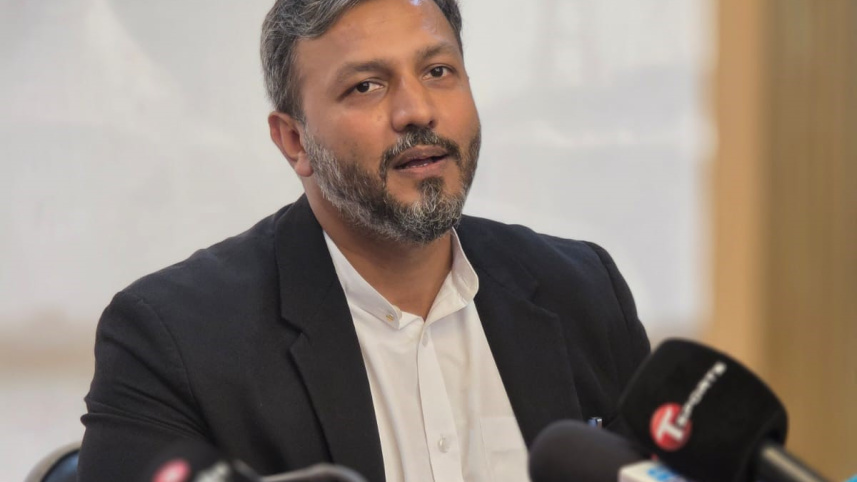
The interim government was responsible for Bangladesh’s non-participation in this year’s ICC Men’s T20 World Cup, according to Barrister Faisal Dastagir, a member of the three-member probe committee formed to investigate the country’s absence from the global event.
“Based on media reports and after talking to experts, we came to the conclusion that the person responsible was Dr Asif Nazrul, who was in the government at the time, and that the government was responsible,” Barrister Faisal Dastagir, also a sports organiser, told reporters at the NSC conference room today.

The National Sports Council (NSC) formed the three-member probe committee on May 10 to investigate the reasons behind Bangladesh’s absence from the ICC Men’s T20 World Cup, co-hosted by India and Sri Lanka from February 7 to March 8.
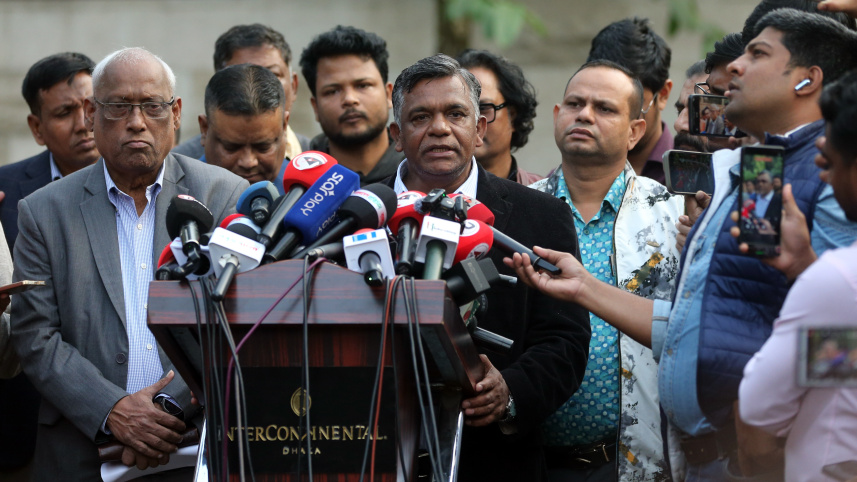
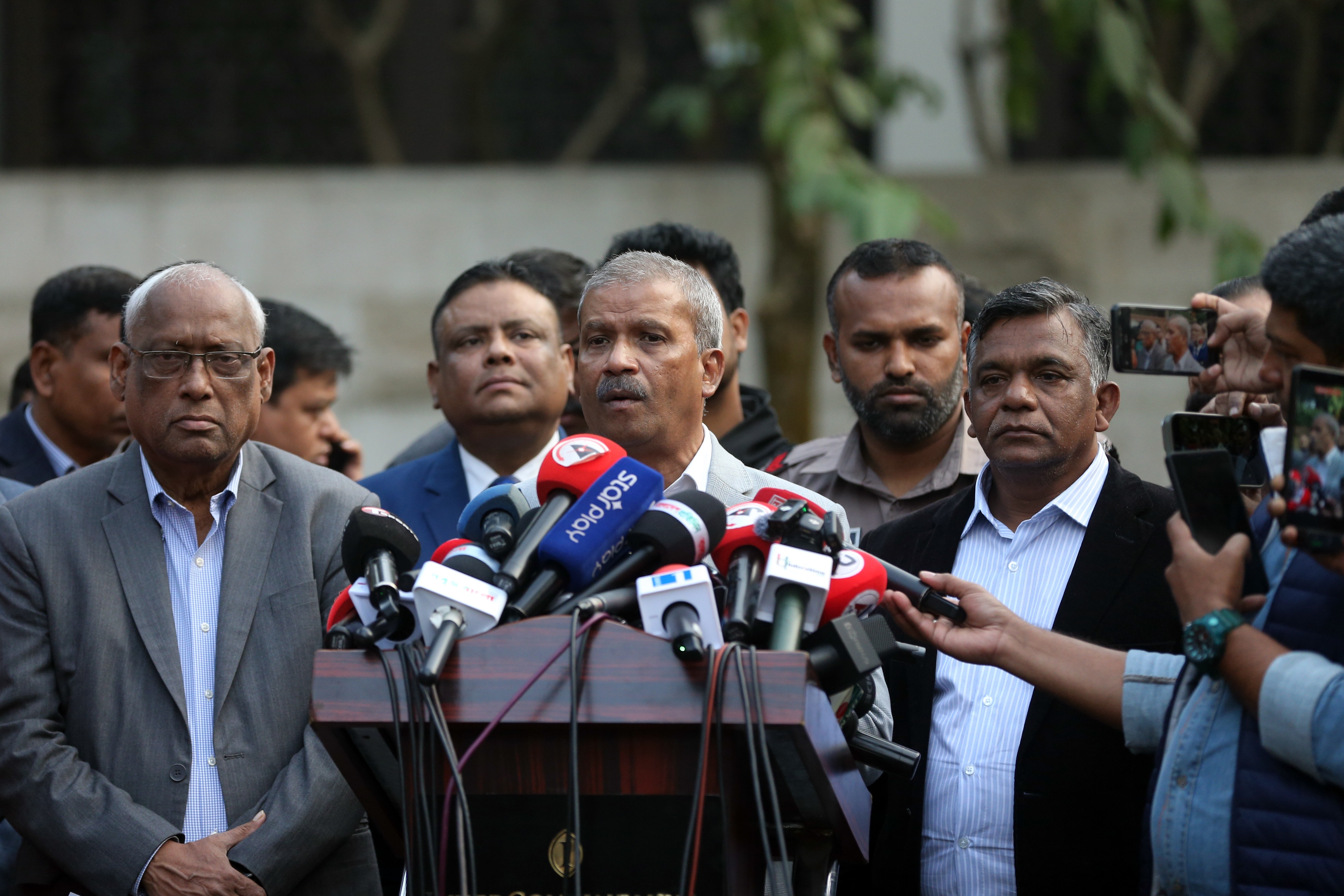
The committee unveiled its 22-page report today, identifying the main factors behind Bangladesh’s failure to participate in the tournament.
According to the report, political tensions between India and Bangladesh, the ICC’s refusal to shift the venue, and government intervention had a “very high” impact on the issue. The BCB’s failure in negotiations was rated as having a “high” impact, while a breakdown in communication was rated “medium”.
The committee, which was tasked with preparing a detailed report and submitting its findings to the Ministry of Youth and Sports within 15 working days, concluded that the biggest tragedy was that the players and fans suffered the most as a result of Bangladesh’s absence.
“Bangladesh should have gone and participated in the tournament,” Faisal said.
The committee also made several recommendations, including keeping cricket separate from political disputes, strengthening the BCB’s independence, improving crisis communication, prioritising players’ welfare and security, and creating a national sports diplomacy framework.
The committee was headed by Dr A K M Oli Ullah, additional secretary of the Administration Sub-division at the Ministry of Youth and Sports. Former Bangladesh captain Habibul Bashar Sumon and Supreme Court lawyer and sports organiser Barrister Faisal Dastagir were the other members.
The Bangladesh Cricket Board had earlier decided not to send the national team to India for the tournament, citing security concerns and directives from the then interim government.
Bangladesh were subsequently replaced by Scotland in the 20-team tournament.
State Minister for Youth and Sports Aminul Haque had announced in March that an investigation committee would be formed to determine the circumstances surrounding Bangladesh’s non-participation.
Although the players were reportedly keen to take part in the tournament, the BCB’s decision, influenced by the interim government’s security concerns, sparked widespread controversy within the country’s cricket community.
The standoff began on January 3, when Bangladesh pacer Mustafizur Rahman was released by Kolkata Knight Riders following directives from the Board of Control for Cricket in India (BCCI).
Despite continued discussions, neither the ICC nor the BCB changed its position, resulting in a deadlock that ultimately cost Bangladesh their place at the World Cup.
 For all latest news, follow The Daily Star's Google News channel.
Comments