


Messi, Ronaldo and Bangladesh’s ASEAN Cup: A longer international break, with plenty to watch
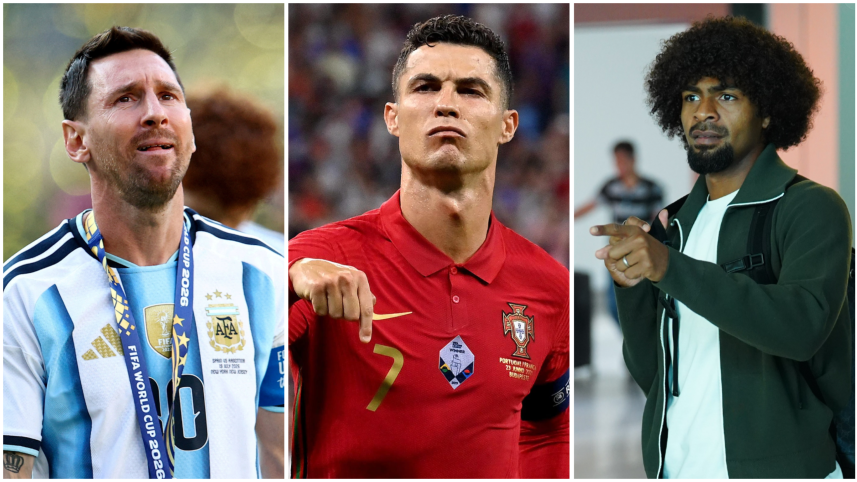
Club football is taking a near-three-week pause, but there is no shortage of intrigue on the international stage.
For the first time, the September and October FIFA windows have been merged into a single 16-day international period, running from September 21 to October 6. Major European clubs played their last match before the break on September 20 and will return to action on October 10, leaving supporters without club football for almost three weeks. National teams, meanwhile, will pack four matches into the extended window instead of the usual two.

There are farewells, fresh starts, heavyweight encounters and the first glimpses of the next generation.
Bangladesh take on the ASEAN challenge
Bangladesh will be part of the inaugural FIFA ASEAN Cup, a new 14-team tournament being staged in Indonesia and Hong Kong from September 24 to October 5.
Thomas Dooley's side have been placed in Group A alongside Indonesia, Malaysia and Singapore. Bangladesh begin against Malaysia at Jakarta's Gelora Bung Karno Stadium on September 25, face Singapore at the same venue three days later and finish the group stage against hosts Indonesia on October 1.
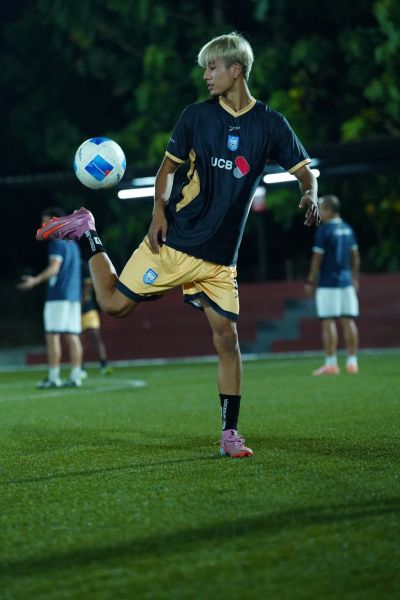
For Bangladesh, the tournament offers something different from a standard international window: three competitive matches in seven days against regional opposition, under Dooley as he continues to shape a new-look national side.
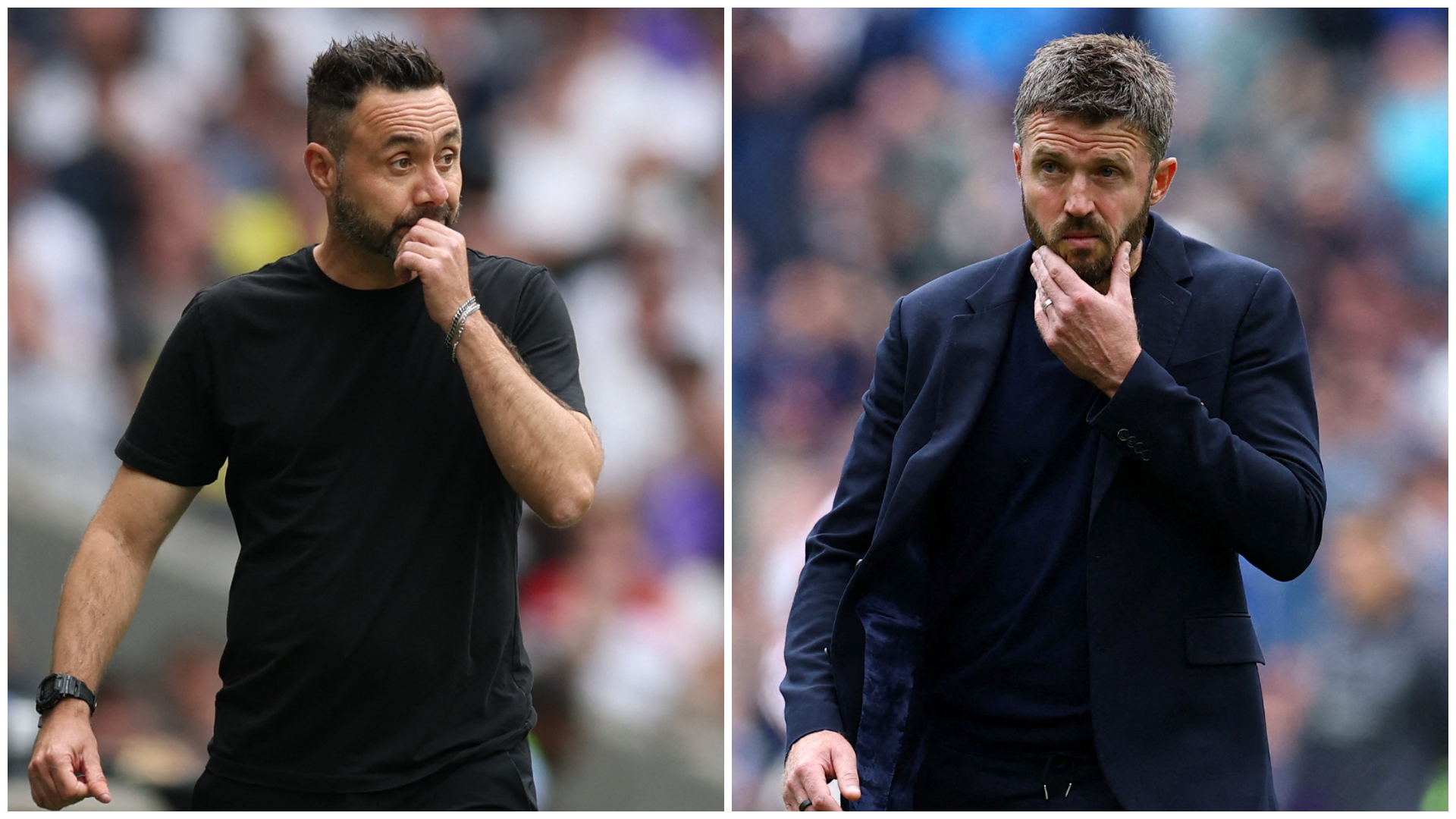
And with the matches falling in the heart of the extended international break, Bangladesh's campaign will be one of the most closely followed storylines for local supporters.
Messi’s farewell
Lionel Messi has already said goodbye to Argentina. Now comes the farewell.
The 39-year-old announced his international retirement last month, but will make one final appearance when Argentina face Benin at the Monumental in Buenos Aires on October 6. It is expected to be his 208th and final appearance for the national team.
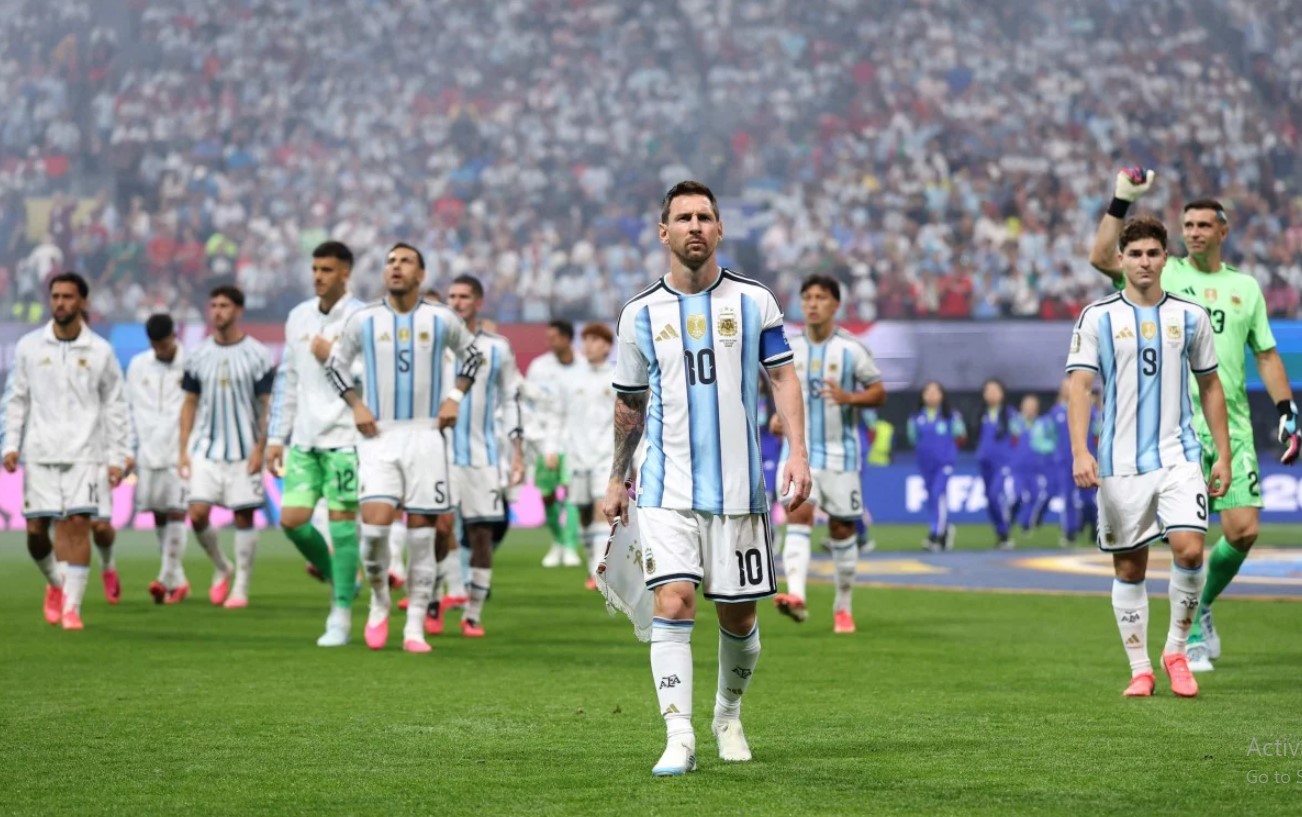
It is a fitting closing scene to a career that finally delivered everything Argentina had been waiting for. Messi won the Copa America in 2021, the World Cup in 2022 and another Copa America in 2024, completing an international transformation that had once seemed impossible.
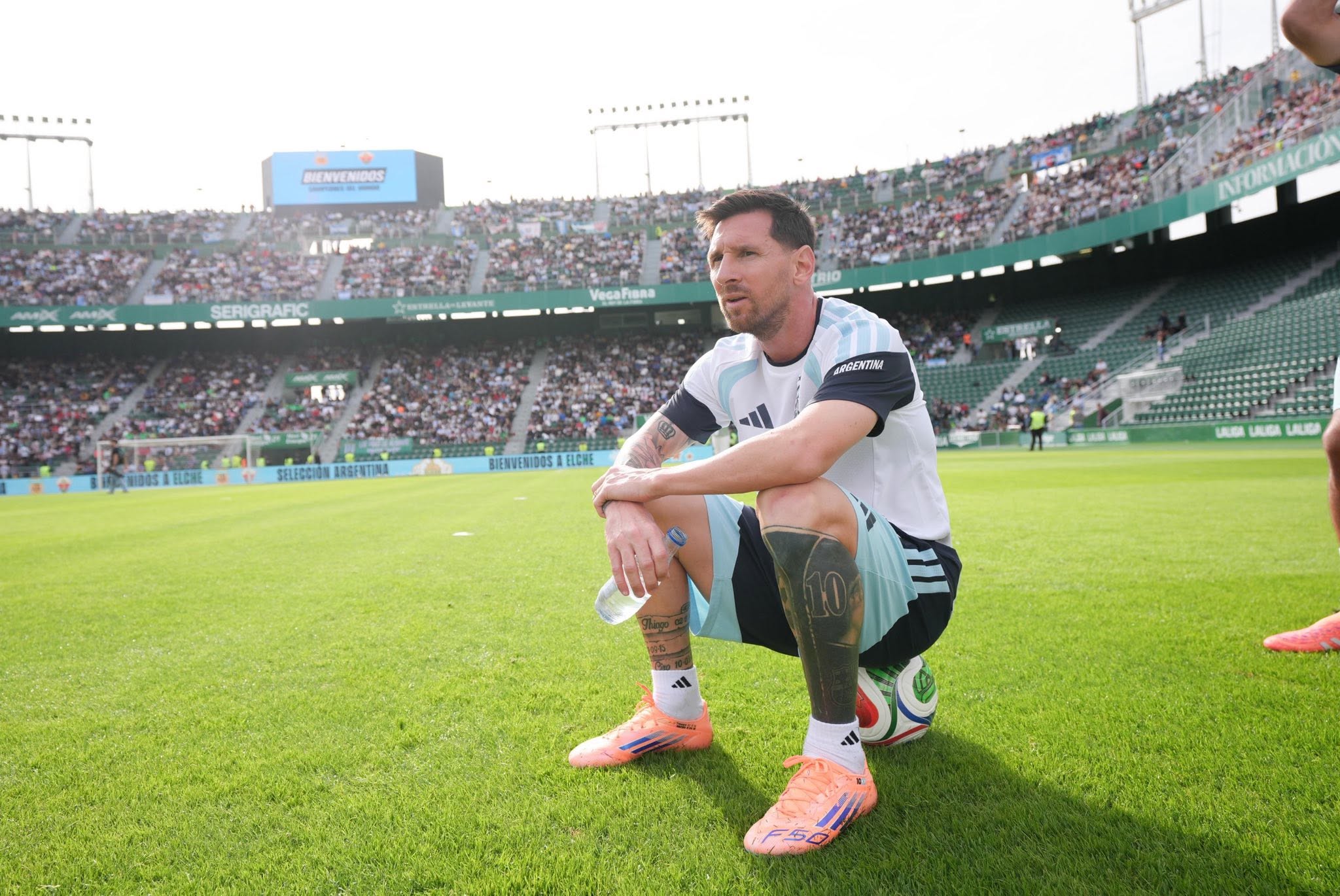
Argentina's first match of the window is against Bolivia in Córdoba on September 30, followed by Burkina Faso in Buenos Aires on October 3. Messi will then get his final night in the famous blue and white against Benin. He goes into the farewell as Argentina's record scorer with 125 goals.
After more than two decades, one of international football's defining careers is finally reaching its last page.
Ronaldo’s future
If Messi's next step is clear, Cristiano Ronaldo's is not.
At 41, Portugal's captain remains part of new coach Jorge Jesus' plans after being named in the squad for the opening four Nations League matches of the new cycle. Portugal host Wales on September 24, visit Norway three days later, travel to Denmark on October 1 and finish the window at home to Norway on October 4.
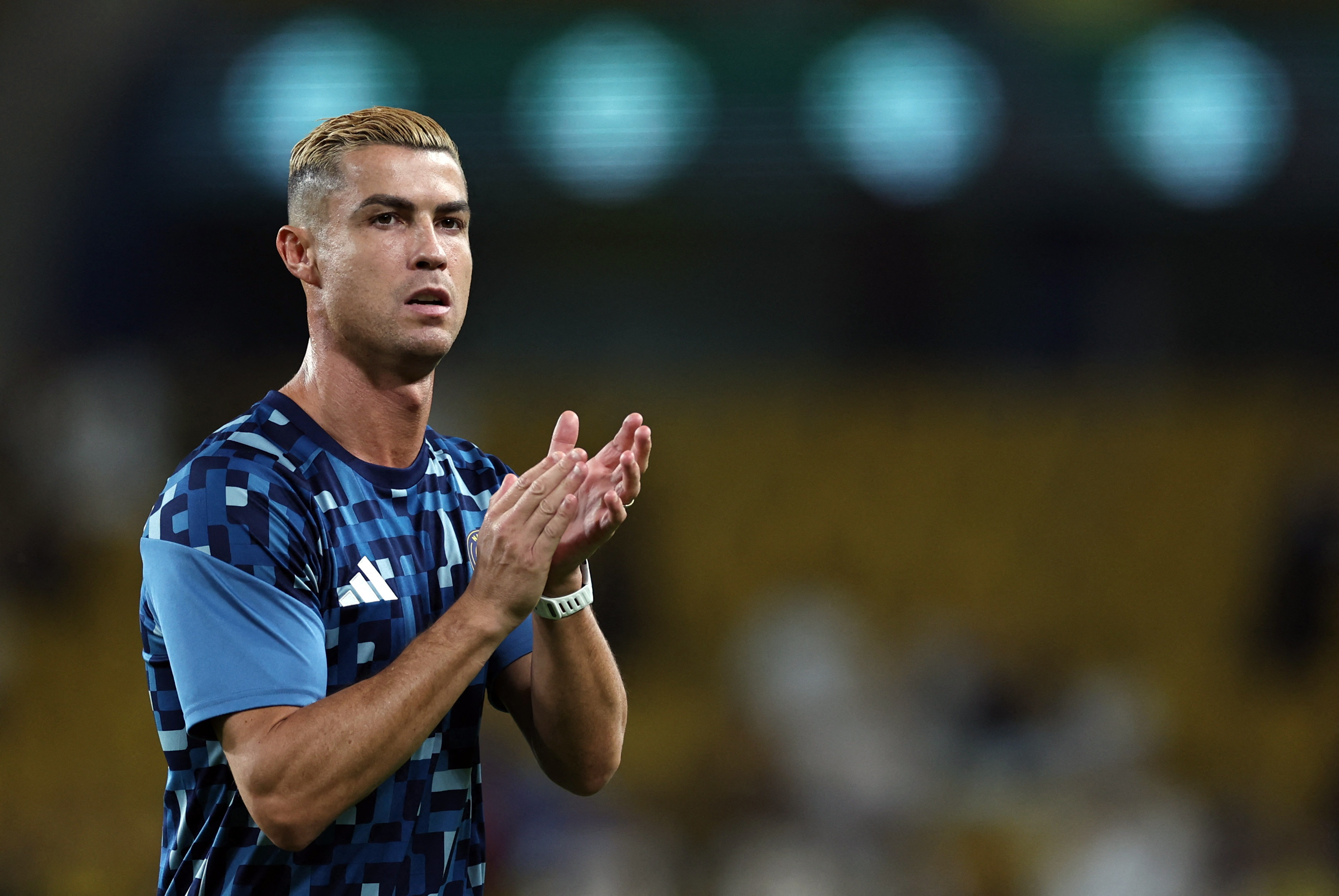
Ronaldo had fuelled retirement speculation by saying the coming year would probably be the final year of his playing career. But there is no immediate international goodbye.
Instead, he reunites with Jesus, who worked with him at Al-Nassr, and begins another Nations League campaign with Portugal. The veteran remains the country's record scorer and appearance-maker, but the question surrounding him is no longer whether he has achieved enough. It is how much longer he wants to keep going.
 For all latest news, follow The Daily Star's Google News channel.
 For Ronaldo, this window is less about a farewell than about what comes after the World Cup.
Zidane starts anew
Zinedine Zidane's first matches as France coach give the break another major storyline.
The former Real Madrid manager took charge of Les Bleus in August on a four-year deal running through the 2030 World Cup, beginning his first international coaching job after leaving Madrid in 2021.
His first assignment comes in Türkiye on September 25, followed by Belgium on September 28. France then host Italy on October 2 before welcoming Belgium again on October 5.
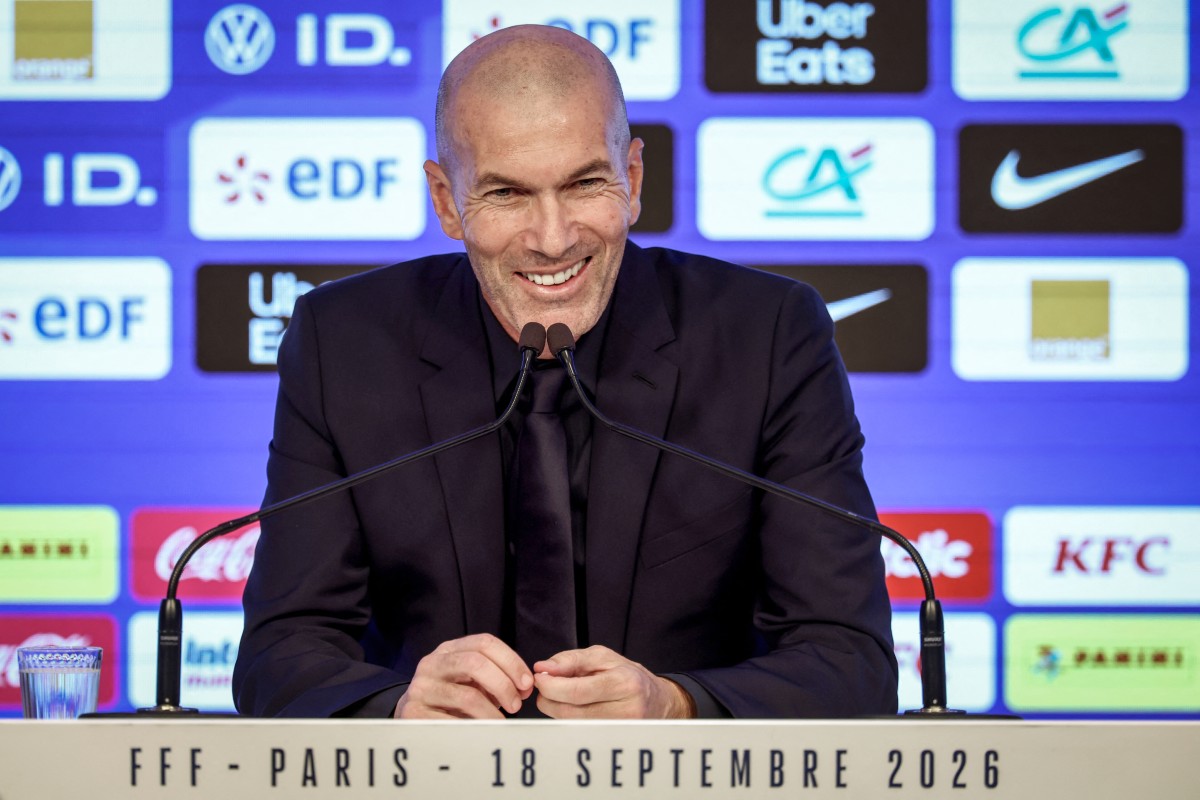
As a player, Zidane was central to France's greatest modern triumph, winning the 1998 World Cup and reaching another final in 2006. Now he takes charge of a team that has spent much of the past decade among the game's elite.
This is not a return to an old job. It is the beginning of an entirely new chapter for one of football's most decorated figures.
Brazil finally travel to Kolkata
Brazil's first senior men's international against India adds a different kind of attraction to the window.
The five-time world champions will face India at Kolkata's Salt Lake Stadium on October 3, the first meeting between the two senior sides. Carlo Ancelotti's Brazil will arrive in India after two friendlies against Australia on September 25 and 29.
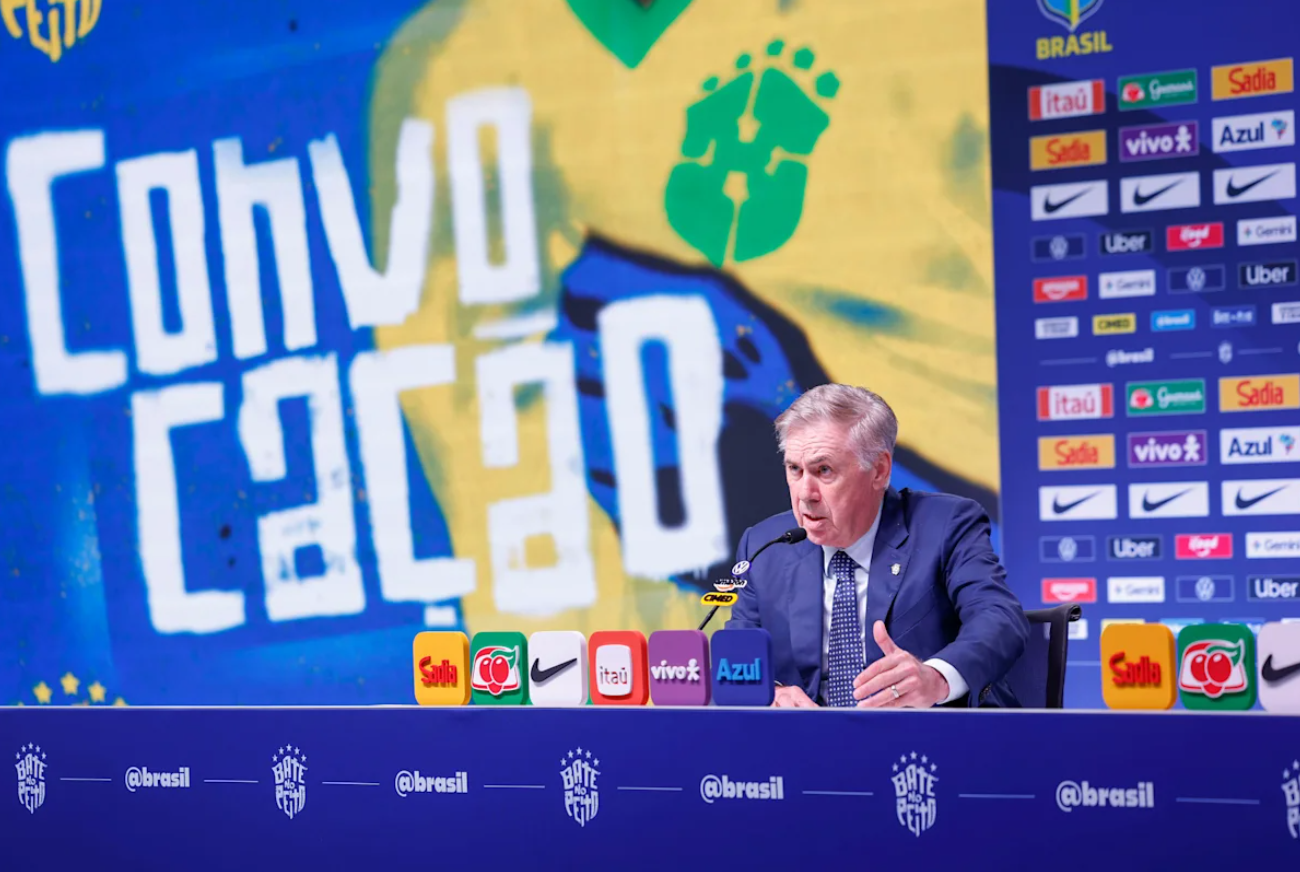
For India, it is a rare opportunity to share the pitch with one of football's traditional powers. For Brazil, the match forms part of Ancelotti's first post-World Cup programme as the team begins another cycle.
The occasion is therefore bigger than one friendly. It brings one of the game's most recognisable national teams to a country where football's audience continues to expand, while giving India a high-profile test against Brazil.
Tuchel’s England face the champions
England's new cycle begins with a familiar opponent.
Thomas Tuchel's side host Spain at Wembley on September 26 in one of the standout fixtures of the opening Nations League matchday. Spain arrive as the reigning world champions, while England are back in League A after winning promotion in the previous edition.
England then face Czechia on September 29, Croatia on October 3 and Czechia again on October 6.
The Spain fixture provides the immediate headline, but the wider significance lies in what Tuchel does with four matches in 11 days.
The extended window gives him room to assess his squad, test ideas and begin shaping England's next phase after the World Cup. It is an early chance to see whether the lessons of the summer translate into changes on the pitch.
Cavan Sullivan gets his chance
The United States are also starting a new cycle, and one of their youngest prospects is now in the senior picture.
Mauricio Pochettino has named 16-year-old Cavan Sullivan in his 28-man squad for matches against Peru, Chile, Mexico and Canada. The USMNT begin against Peru on September 26, face Chile three days later, meet Mexico on October 3 and finish against Canada on October 6.
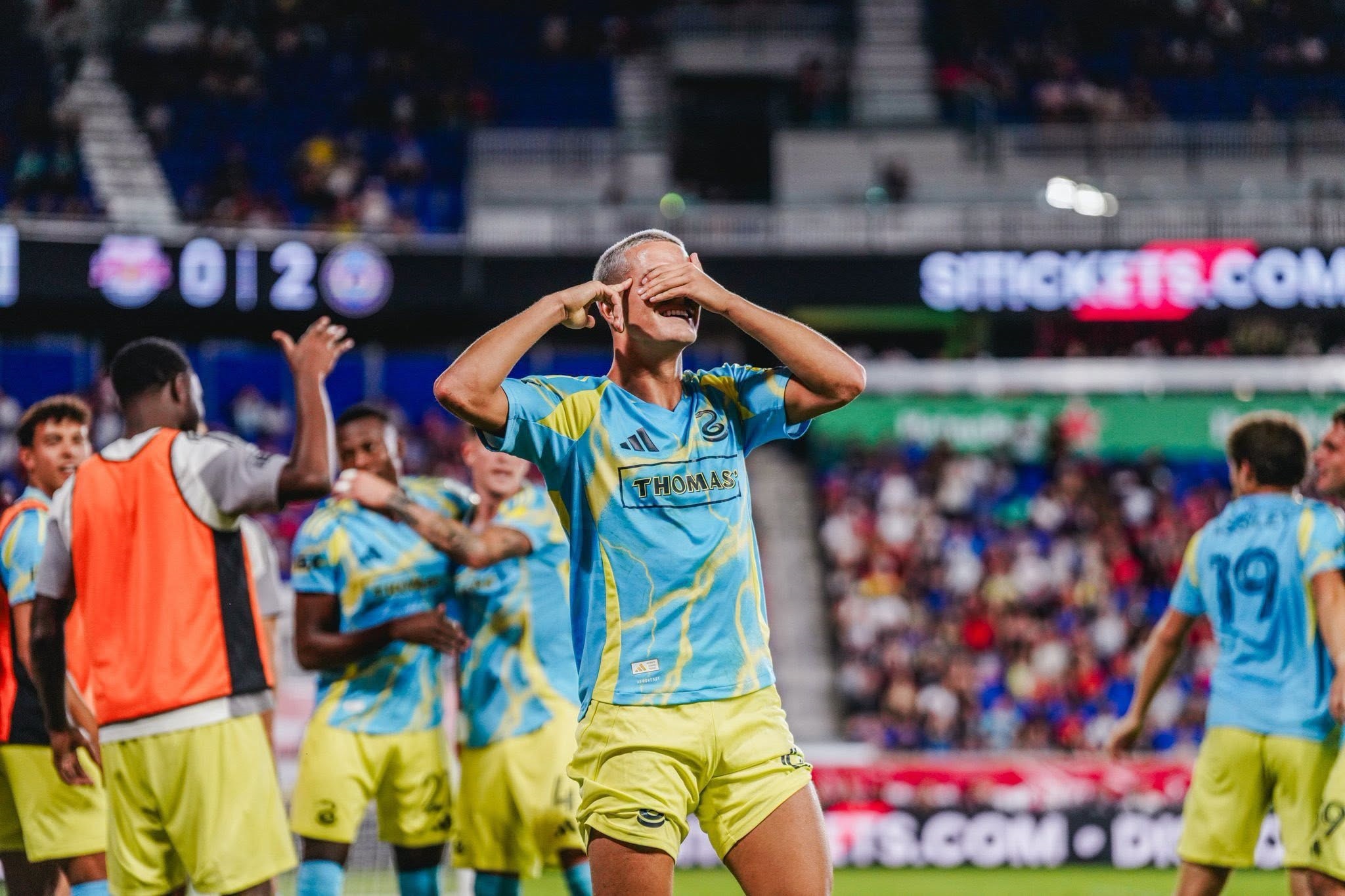
Sullivan, a Philadelphia Union forward, is one of 13 uncapped players in the squad and could make his senior debut before turning 17 on September 28. The teenager is already lined up for a move to Manchester City when he turns 18.
Pochettino has described the window as the beginning of a "fresh start" for the United States, with a blend of World Cup experience and emerging talent.
For Sullivan, the next step is simple: turn the promise into a first senior appearance.
Ireland and Israel bring another dimension
The Republic of Ireland's Nations League campaign carries a different kind of attention because of its two meetings with Israel.
Ireland open against Kosovo on September 24 before facing Israel in Debrecen, Hungary, on September 27. They return home to face Austria on October 1, then meet Israel again on October 4 at the TSC Arena in Bačka Topola, Serbia. The latter fixture will be played behind closed doors after the FAI moved it to a neutral venue, citing operational challenges around hosting the match in Ireland. UEFA approved the move.
The fixtures have attracted political controversy and debate within Irish football, adding another layer to an already demanding four-match window.
On the field, Ireland have four Nations League games in 11 days and will need to navigate a packed schedule under Heimir Hallgrímsson.
And that, ultimately, is what makes this international break different.
It is not simply longer. It is a collision of endings and beginnings: Messi's farewell, Ronaldo's uncertain next step, Zidane's first campaign, England's first serious test and the emergence of players such as Sullivan. With four matches packed into 16 days, there is little room for international football to feel like a mere interruption to the club season.
Comments