


After five seasons of panic attacks, The Bear ends
*This article contains spoilers for the show
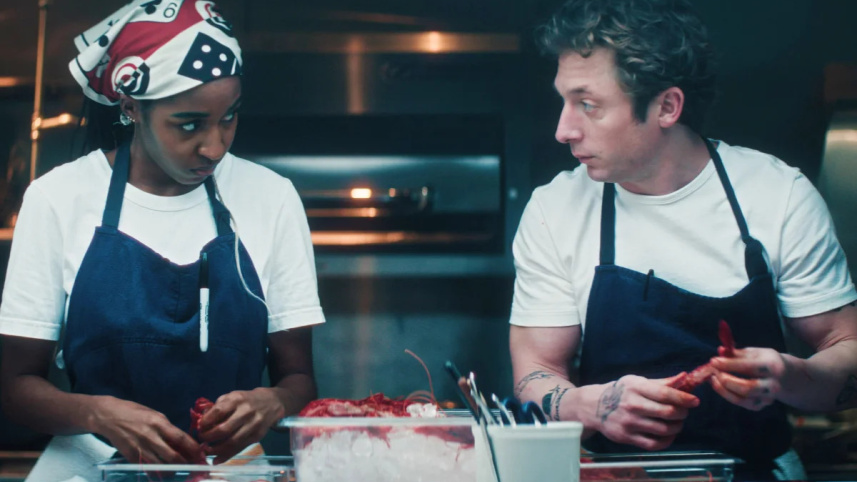
The final season of The Bear opens with Chicago drowning. A storm batters the city; the restaurant's walls are leaking, pipes are bursting, Richie shrugs off a car accident on his way in, and there are barely enough ingredients in the building to cook the food this place stakes its name on. It is Carmy's last day, and seven of the eight episodes unfold across that single day, one do-or-die service with a Michelin star supposedly on the line. The show has never been leaner. The celebrity cameos are gone, the famous needle drops are swapped for a pulsing electronic score produced by Hans Zimmer, and everything that made the middle seasons feel bloated has been cut away. What is left is the kitchen, the people in it, and the clock.

When Carmy unblocks the flooded drains, the clog turns out to be cigarette butts- his own, and the metaphor lands without a word: some of what is flooding this place is his doing. He still cannot delegate to Sydney. The team downsizes the menu again because the ingredients will not stretch. Uncle Jimmy circles the city hunting for any scheme to keep the business alive. Guests arrive late because of the storm and then arrive all at once. It is chaos, but it is a different chaos from the one we met five seasons ago, and the show knows how to show us the difference.
Episode seven, “Caramel”, is the standout, and it works as a deliberate mirror of season one's seventh episode, the infamous single-take meltdown where the kitchen tore itself apart. This time the pressure is worse, and the room holds. The moment that defines the whole season comes when Carmy drops a dish, with no ingredients left to remake it, and starts to spiral, and instead of the old screaming, Richie, Sydney, and the rest of the family close around him and send out the staff meal to the diners. Five seasons of growth paid off in one gesture.
The payoffs do keep coming, almost all of them earned. The Bear wins two Michelin stars, and the lovely twist is that the inspector had already been in the room on a night nobody knew to perform, which is the show's whole thesis in miniature: you get the star by being who you are when no one is watching. Carmy quits, then catches himself rhapsodising about kitchens in the middle of an architecture internship interview, an odd detour that still makes sense for a man that artistic and realises the truth the show has been circling for years.
He does not have to hate the thing to be excellent at it. He was never running from cooking, only from the weight of a dead brother's expectations. Sydney takes over, and deservedly so, not because she out-cooks him but because she leads people instead of micromanaging them, which is precisely where Carmy cracked. Richie, once a man lacking purpose, knows now that he is the soul of the room and flies to Japan, his first flight, to prove it. Tina goes from fearing change in episode one to flourishing in it. Ebra quietly becomes the season's MVP with a ghost kitchen franchising plan that keeps the lights on. Marcus brings his father to the restaurant because he ran out of time to bring his mother. Carmy and Sugar stand with their mother again, and the show trusts silence to tell us something has healed.
Some critics felt the finale ties too many bows and that everyone getting a soft landing makes the ending gooey. I understand the complaint and do not share it. After five seasons of panic attacks, funerals. and forks thrown across Christmas dinner, sweetness is not a cop-out.
Two images stay with me. Richie's daughter is getting a surprise birthday party at the restaurant, the whole family in one room without a single act of destruction. And Carmy texting Mikey's dead number with two words, “All good”. Grief works like that now; technology keeps the door forever ajar, and the show understands that this can be a strange kind of gift.
The Bear was never really about food or restaurants. It ends exactly where it always pointed, which is that when you are in the gutter, only people pull you out, and all we truly have is each other. What a send-off.
 For all latest news, follow The Daily Star's Google News channel.
Comments