


Bangladesh, US sign civil nuclear cooperation deal
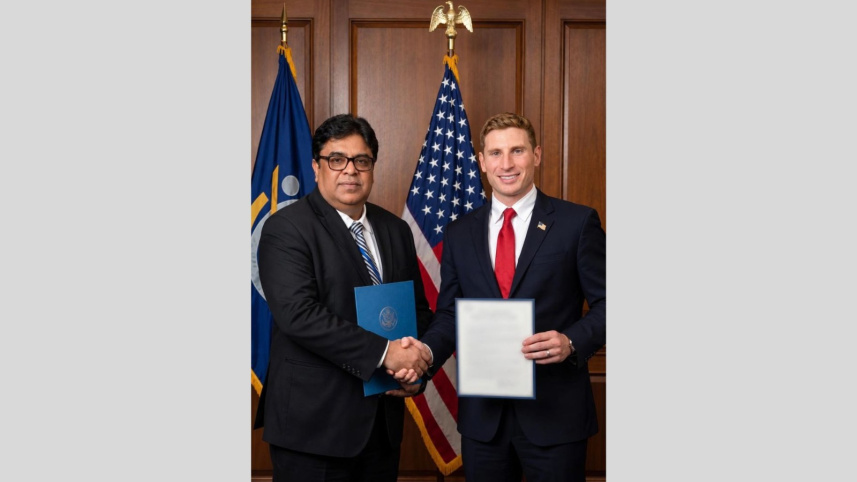
Bangladesh and the United States have signed a deal on strategic civil nuclear cooperation to deepen ties on the peaceful use of nuclear energy.
Rehan Asad, adviser to the prime minister for telecom and ICT, and Jacob Helberg, US under secretary of state for economic growth, energy, and the environment, signed the memorandum of understanding (MoU) on September 25 in New York.

Asad confirmed the development.
Under the MoU, both sides recognised the strategic significance of their diplomatic relationship and its regional and international security implications, including energy security. They also noted the role nuclear energy can play in meeting the energy requirements of both countries.
The MoU recorded the shared position that all civil nuclear cooperation should follow the highest standards of nuclear safety, security, safeguards, and non-proliferation.
It noted that both Bangladesh and the US have International Atomic Energy Agency (IAEA) safeguards agreements and additional protocols in force.
Both countries are also parties to the Treaty on the Non-Proliferation of Nuclear Weapons (NPT), signed on July 1, 1968.
The latest development comes as Bangladesh seeks to expand and diversify its long-term energy sources.
The country has already built its first nuclear power plant at Rooppur, while the government has been exploring broader international cooperation in nuclear science and technology.
Earlier in May this year, Bangladesh and the US signed another MoU on strategic cooperation in the broader energy sector to strengthen Bangladesh's long-term energy security through diversified sourcing.
The new civil nuclear MoU, however, specifically centres on nuclear cooperation and the peaceful use of nuclear energy, rather than general energy trade.
 For all latest news, follow The Daily Star's Google News channel.
Comments