


Can fluency in English be a measure of intelligence?

"Wow! An IELTS band score of 8.5! Kiss your brains! You are a genius!"
This is a common line that IELTS high-achievers must have heard.

Often, a good command over the English language is considered a major sign of intelligence, especially in Bangladesh. English proficiency has always been admired, and why not? It is the primary global lingua franca. Roughly 1.5 billion people around the world speak English, with non-native speakers outnumbering native speakers by around three to one. There is no denying that English is an essential language, but there are some individuals who frequently mistake linguistic fluency for intellectual superiority.

Apart from prodigies, the vast majority of the people who achieve a good band score in these standardised tests have secured that milestone owing to countless hours of practice and studying the various techniques. Simply masking the effort behind the term “intelligent” does not suffice, so simply stating it does not help.
The curling of lips and the stretching of the jaws to produce the correct phonic sound, along with adjustments in the pitch while maintaining voice intonations, is not a skill picked up overnight. Likewise, when the speaker appears to be a “walking dictionary”, they have already worked for hours on picking up every word they came across over the years. Diligence and perseverance were key here; hence, relating them to inherent ability is not very helpful.
Nonetheless, society has always inclined to equate the ability to speak fluent English with intelligence. But proficiency in English, or any language as a matter of fact, actually reflects consistent practice, exposure, learning, and constant corrections during communication. Innate intelligence can help you learn quicker or adapt swiftly, but the relentless perseverance to push forward gives you that edge.
Howard Gardner's theory of “Multiple Intelligences”, an educational perspective, highlights that linguistic skills can be defined as being equipped to understand, use, and communicate a language effectively: native or non-native, first or second language. Therefore, according to Gardner’s concept, a person considered excellent in English or any other language must have a well-wired brain to process literature and understand the nuances of the language; subsequently, having a strong foothold while using the language in its written or spoken form is important. Then perhaps that person speaking could be honoured with the epithet “intelligent”.
Furthermore, for these individuals, the use of these linguistic skills must not be limited to the classroom or conversations within friend circles. Students with strong linguistic intelligence will use their skills in domains beyond their surroundings, such as extempore speeches, public speaking, debates, critical analysis, creative writing, presenting monologues, and finally creating their individual piece of literary work. Thus, it is much more than speaking fluently in English.
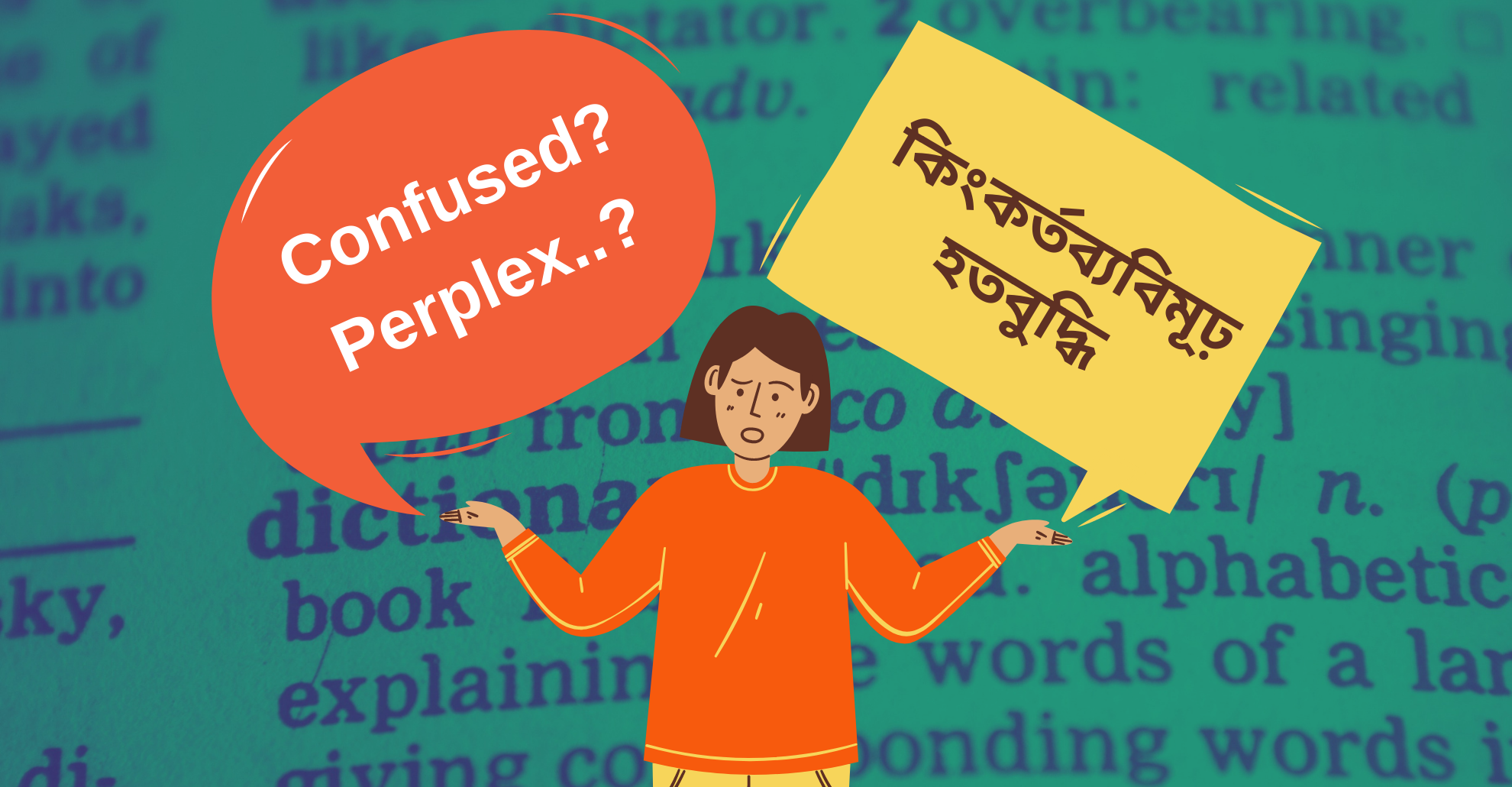
It is important to acknowledge that a fluent speaker may not have the necessary writing proficiency; likewise, a person proficient in writing the language may not have exceptional speaking skills. Similarly, an 8.5 IELTS band or high PTE score may not mirror an individual’s linguistic potential, as known to all that these evaluation systems are strategic English language tests that do not focus on potential creativity.
To put it straight, English fluency is highly regarded, especially in the Bangladeshi context. Why so? Because a vast majority may not be able to confidently communicate with precise grammar, use, and application of phrases, idiomatic expressions, and figurative language, which are all forms of wordplay. English is a subject taught at school from nursery to higher secondary level, sometimes even in university as a fundamental course.
According to the 2022 Bangladesh Census, 6.10 percent of the population reported English as a second language. Importantly, this does not mean that 6.10 percent are fluent; it simply indicates that they reported English as a second language. Even within this domain of efficiency, ability is not uniform. Consequently, in a country where only a minority speaks English, the genuine ability to speak the Anglophone language could be considered a rare skill, but simply terming that person “intelligent” robs an individual of all the effort they poured into honing their skills in that particular language.
Reference:
Bangladesh Bureau of Statistics. (2024). Report on Socio-Economic and Demographic Survey 2023.
Salma, a contributing writer at Campus, is a teacher by profession but a student at heart: curious, questioning and always learning.
 For all latest news, follow The Daily Star's Google News channel.
Comments