The Indo-Pacific at a crossroads: What it means for Bangladesh

The 21st century is increasingly being described as an Asian century, reflecting a profound shift in the global distribution of economic power, population, technology and strategic influence. At the centre of this transformation is the Indo-Pacific, a vast economic and maritime region stretching from the eastern coast of Africa across the Indian Ocean and Southeast Asia to the Western Pacific. More than a geographical concept, the Indo-Pacific has become a critical arena where major powers compete, cooperate and seek to shape the emerging global order.
The United States views the Indo-Pacific as vital to its security and prosperity, while China has placed growing emphasis on connectivity and maritime cooperation. The interaction between these competing and overlapping priorities is likely to play a significant role in shaping the region’s future.
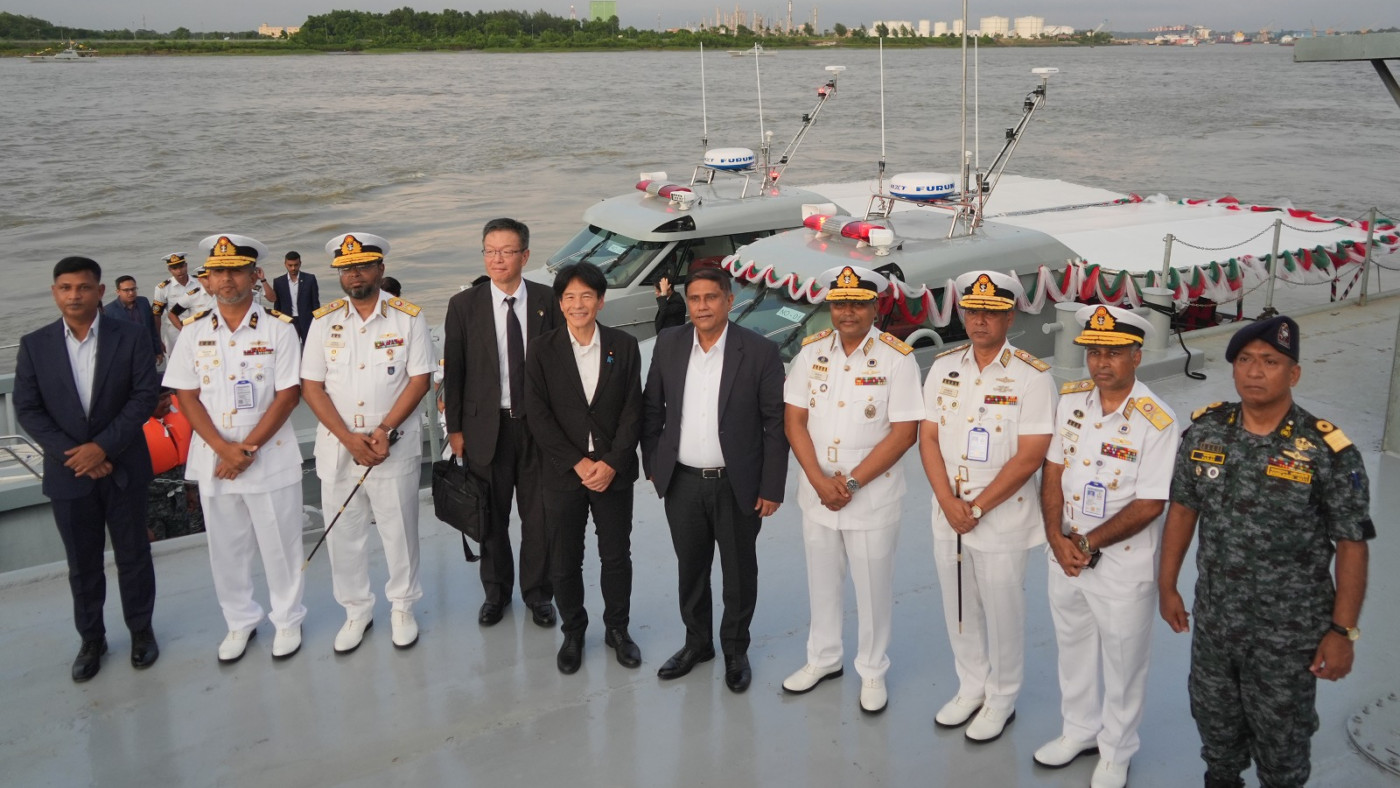
At the same time, approaches to security, connectivity, trade and maritime governance are evolving across China, the United States, India, Japan, Australia and other regional actors. Their interests converge in some areas but diverge sharply in others, creating a regional landscape defined by both cooperation and competition. For smaller and middle powers such as Bangladesh, the challenge is to navigate this increasingly complex environment, protect their national interests and engage with multiple partners without becoming drawn into great-power rivalry.
The Indo-Pacific contains some of the world’s most important sea lines of communication and strategic chokepoints. The Indian Ocean links the energy-exporting countries of the Middle East with the major economies of East and Southeast Asia, while the Strait of Malacca serves as a crucial passage between the Indian and Pacific Oceans. The South China Sea, meanwhile, is one of the region’s most significant commercial and strategic waterways. Against this backdrop, maritime access, security and freedom of navigation are becoming increasingly prominent elements of national strategies across the region.
Bangladesh’s approach to the Indo-Pacific should be guided by a ‘Bangladesh First’ strategy that prioritises national interests while maintaining constructive engagement with all major partners. This need not be an “either/or” choice: economic engagement with China, strategic and economic ties with India, development cooperation with Japan, relations with the United States and participation in regional institutions can all form part of a balanced approach.
One of the biggest connectivity initiatives of the 21st century is the Belt and Road Initiative (BRI). The BRI is proposed as two networks: the Silk Road Economic Belt and the 21st Century Maritime Silk Road. Geographically, the Maritime Silk Road is especially important to the Indo-Pacific region, as it links China to Southeast Asia, South Asia, the Indian Ocean, the Middle East, Africa and Europe. According to China's official documents, the Maritime Silk Road provides a pathway for cooperation in the transport of seaborne goods, resource development, marine protection, disaster prevention, marine science and technology, and the blue economy.
The United States has responded with its Indo-Pacific Strategy (IPS), which envisions a free, open, connected, prosperous, secure and resilient region. Washington’s approach spans political, military and economic dimensions, with an emphasis on strengthening alliances and partnerships across the region. One such framework is the Quadrilateral Security Dialogue (Quad), bringing together the United States, India, Japan and Australia to cooperate in areas including maritime domain awareness and disaster response.
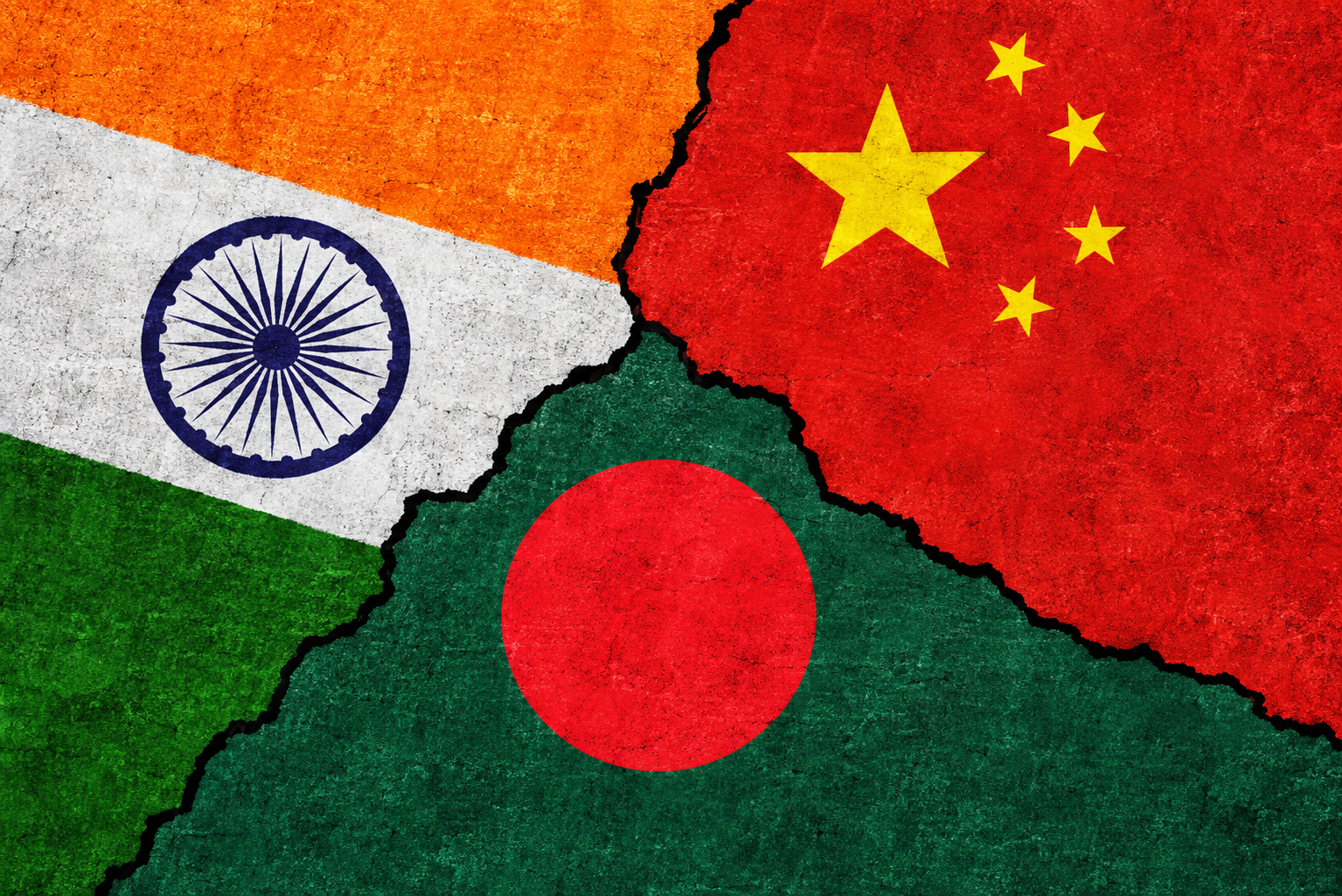
India is in a unique position in the Indo-Pacific region. It is geographically located at the centre of the Indian Ocean, between the eastern and western parts of the larger Indo-Pacific region. It plays a pivotal role in regional maritime affairs through its economic power, naval development programme and growing diplomatic ties. In 2025, Washington and New Delhi emphasised that a free, open, peaceful and prosperous Indo-Pacific region is a fundamental pillar of their partnership and will require continued cooperation on maritime security, freedom of navigation and the lawful use of the seas. The two also launched an Indian Ocean Strategic Venture to further expand cooperation on connectivity and trade in the Indian Ocean region.
Located at the northern end of the Bay of Bengal, Bangladesh has a direct stake in the stability of the Indian Ocean and the wider Indo-Pacific. Maritime connectivity, port development, the blue economy, fisheries, energy security, disaster management and freedom of commerce are all closely linked to the country’s national interests.
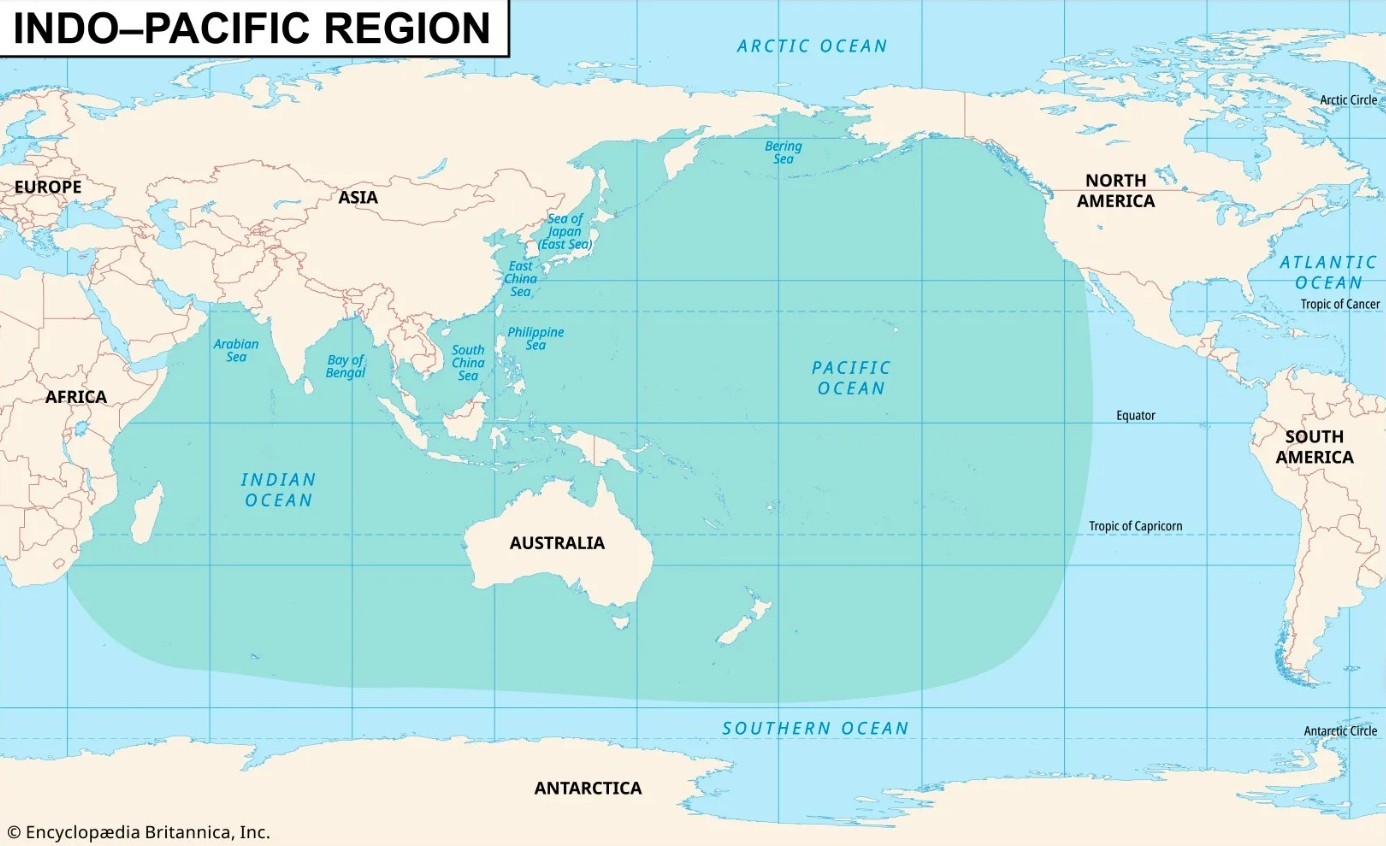
Against this backdrop, Bangladesh’s approach to the Indo-Pacific should be guided by a ‘Bangladesh First’ strategy that prioritises national interests while maintaining constructive engagement with all major partners. This need not be an “either/or” choice: economic engagement with China, strategic and economic ties with India, development cooperation with Japan, relations with the United States and participation in regional institutions can all form part of a balanced approach.
This balanced approach is equally important in the Bay of Bengal, which links South Asia with Southeast Asia and connects the Indian Ocean to some of the world’s fastest-growing economies. Its growing economic and strategic importance means that ports, shipping, logistics, fisheries, offshore resources, marine research and disaster-response mechanisms will increasingly shape the regional landscape. For Bangladesh, this creates opportunities to strengthen its role in maritime connectivity and governance, develop its coastguard and naval capabilities, expand marine research and environmental protection, and build stronger blue-economy institutions. Rather than being drawn into growing militarisation and great-power rivalry, Bangladesh should seek to make the Bay of Bengal a space for cooperation, connectivity and shared prosperity, while contributing to a safe, peaceful and stable maritime environment.
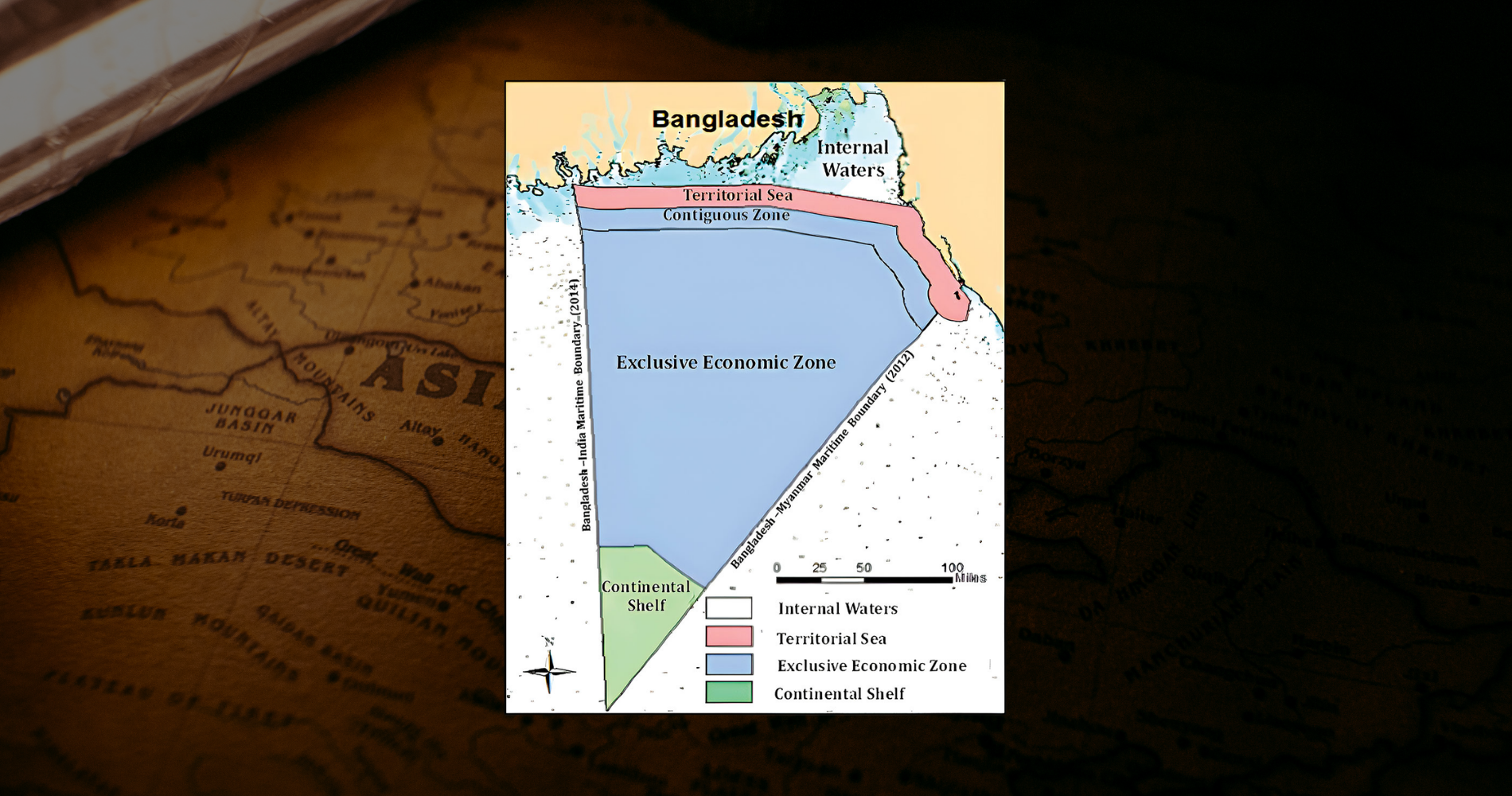
The Indo-Pacific stands at a strategic crossroads. One path could lead to intensifying great-power competition, greater military deployments, deeper divisions and growing distrust. The other could allow competition to be managed through regional institutions, maritime cooperation, economic connectivity and respect for international law. China will continue to expand its economic and maritime presence, while the US will remain deeply engaged through its alliances and partnerships. India is likely to play an increasingly prominent role in the Indian Ocean and the wider Indo-Pacific, while Japan, Australia, ASEAN and other regional actors will also shape the emerging order.
The central question, therefore, is not whether strategic competition will disappear, but whether it can be managed without undermining regional stability. The future of the Indo-Pacific should not be determined by major powers alone. Middle and small states such as Bangladesh must also have a meaningful role in shaping the region’s rules, institutions and priorities. Regional dialogue, freedom of navigation, peaceful settlement of disputes, sustainable connectivity and open economic cooperation can provide the foundations for a more stable and inclusive regional order.
The Indo-Pacific stands at a strategic crossroads. One path could lead to intensifying great-power competition, greater military deployments, deeper divisions and growing distrust. The other could allow competition to be managed through regional institutions, maritime cooperation, economic connectivity and respect for international law.
Whether the 21st century will ultimately become an “Asian century” remains to be seen. Much will depend on whether Asia can translate its extraordinary economic dynamism into sustainable growth while preserving peace and cooperation. This challenge will play out most visibly in the Indo-Pacific, where economic power, maritime connectivity, technological competition and security concerns are becoming increasingly intertwined.
The Indo-Pacific, therefore, should not become an ‘us versus them’ contest. Major powers will inevitably influence its direction, but middle and small powers also have agency in shaping the regional order. For Bangladesh, this means placing national interests, regional stability and maritime peace at the centre of its foreign policy, engaging with all while becoming overly dependent on none. The Indo-Pacific is not merely an arena of great-power rivalry; it is also a space where the future architecture of the regional and international order is being shaped.
Dr Sujit Kumar Datta is Professor in the Department of International Relations at the University of Chittagong, Bangladesh, and Director of the Hong Kong Research Center for Asian Studies-Bangladesh Center (RCASBC). He can be reached at datta.ir@cu.ac.bd.
Send your articles for Slow Reads to slowreads@thedailystar.net. Check out our submission guidelines for details.

Could the Teesta redraw the map of India-Bangladesh diplomacy?
Iran’s China moment? From isolation to regional hegemony
Makkah Pact: The geopolitics beyond Islamic solidarity

Myanmar’s deteriorating crisis and the political future of the Rohingya
Bangladesh between India and China: The dilemma of defence diversification

What Bangladesh should ask before joining the Makkah Pact

Nepal’s difficult passage: Political change meets ecological crisis

BRICS at 20: Why the New Delhi Summit matters to the Global South

From Balfour to sanctions: Why the UK’s ban on Israeli settlement trade matters