


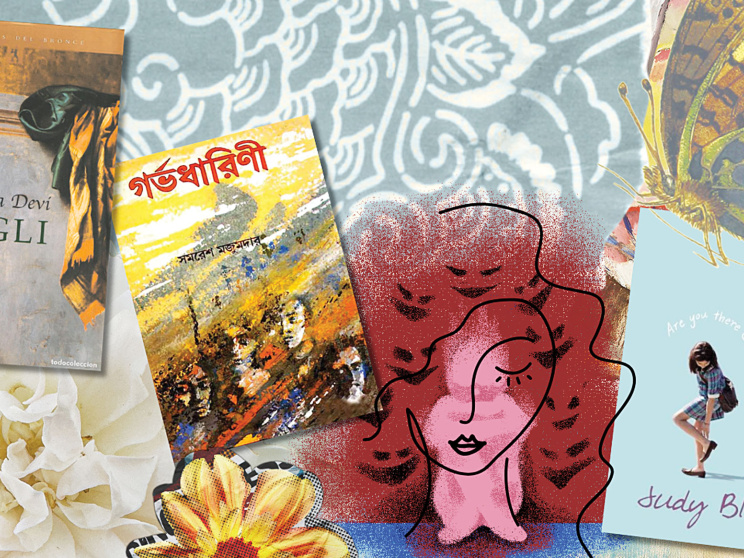
ESSAY / The menstruating body and the making of ‘womanhood’ in literature
17 September 2026
•
Books & Literature
There is an age when “shorir kharap” stops meaning what it once meant. Before that, the phrase belongs to fever, stomachache, the heavy-eyed tiredness of a school day spent under a slow fan.

BOOK REVIEW: FICTION / Finding stillness in ‘Being Water’
17 September 2026
•
Books & Literature
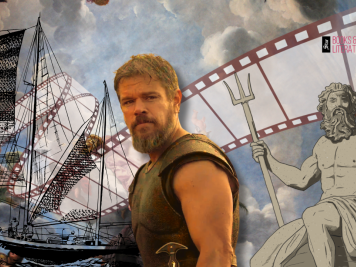
Essay / ‘The Odyssey’ and what we lose when myth belongs only to its heroes
15 September 2026
•
Essay
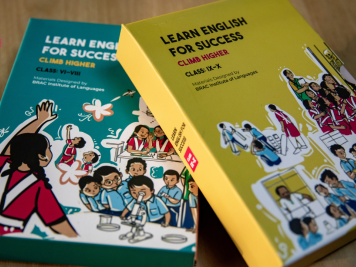
News Report / BRAC Institute of Languages and The Daily Star redefine English Education for youth
13 September 2026
•
News
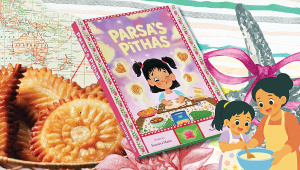
Book review: Fiction / Finding home, identity, and art in ‘Parsa’s Pithas’
11 September 2026
•
Reviews

Essay / Out of the archives, into the feed
11 September 2026
•
Books & Literature

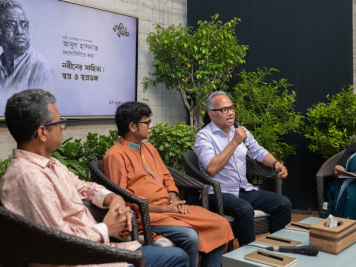
Event Report / Kobitabela: a soulful afternoon
9 September 2026
•
News

Creative Nonfiction / Two nights that lit Azimpur
5 September 2026
•
Creative non-fiction

Essay / Whose literary production?: Anthropic’s Project Panama
5 September 2026
•
Essay

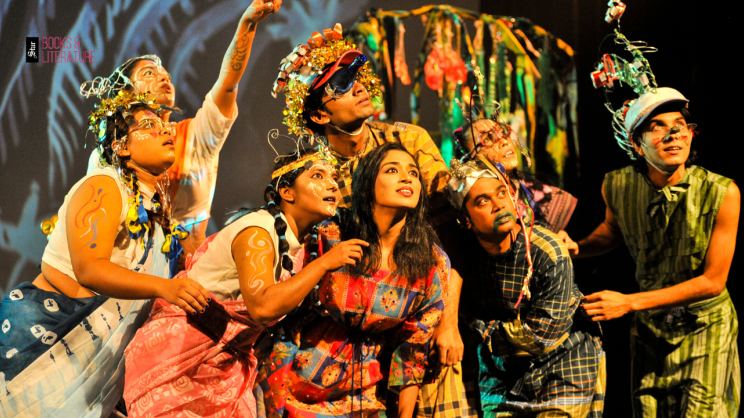
Literary Curtains / Patriarchy inversed: Reimagining Rokeya’s Ladyland in 2026
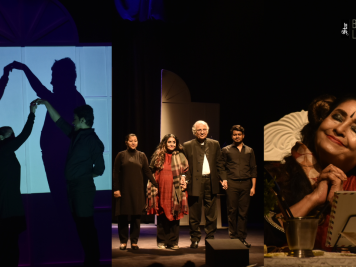
“Ladyland is not perfect,” remarks Sultana, one of the protagonists in the much awaited play, “Project Ladyland 2026”. Produced by HerStory Foundation in collaboration with the British Council and Women of the World Foundation, the play was greeted by a full house this weekend. Staged at the Bangladesh Mohila Samiti theatre, the performance made a splash on Friday, August 14.

News Report / Jamir Nazir wins 2026 Commonwealth Short Story Prize following AI review
3 July 2026
Set in rural Trinidad, “The Serpent in the Grove” explores themes of betrayal, survival and the resilience of a woman's will.
News Report / Kazuo Ishiguro set to return with new novel in 2027
20 June 2026
Ishiguro’s novels have, over his 40-plus-year career, ranged from historical fiction to fantasy to science fiction.

The shelf / 7 Asian healing fiction recommendations for rainy days
18 June 2026
•
The Shelf
You know when the sky trades its brightness for a low, silver hue, and you wrap your fingers tightly around your tea, seeking that small, steady pulse of warmth. This is the essence of healing fiction. Often rooted in the Japanese concept of iyashikei, these stories focus on the quiet spirit through small, everyday moments. You may have already heard of Days at the Morisaki Bookshop or We’ll Prescribe You a Cat. While those popular favourites have opened a door for many, there are a few other tales worth the read.
Reflections / In the age of AI allegations
13 June 2026
Fiction / Body Selim
18 April 2026
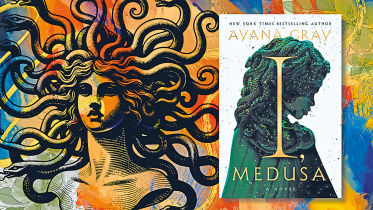
Agency, identity, and the rewriting of Medusa
One of the most interesting adaptations that I have read recently is the 2025 novel I, Medusa by African American novelist Ayana Gray.
1 May 2026
Before the monsoon had a name
When I was younger, I would wait for days like these with a kind of breathless excitement. My cousins and I would run out with buckets to collect the first hailstones, laughing as they bounced off the floor and stung our fingers with their tiny, icy weight. To my five-year-old self, they felt like strange little creatures dropped from another world, cold and impossible to hold for long before they slipped back into the water.
29 April 2026
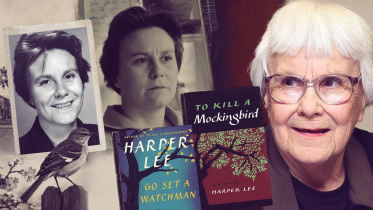
Harper Lee at 100: An enduring echo of justice
On her birth centenary, Harper Lee’s spare canon endures as a vast moral inheritance
28 April 2026
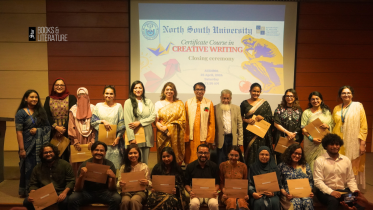
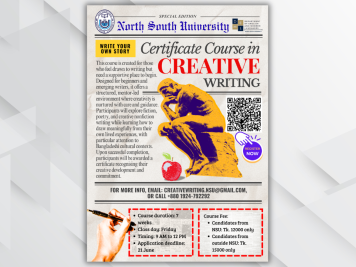
DEML-NSU hosts closing ceremony for first cohort of its Creative Writing Certificate Course
North South University’s Department of English and Modern Languages (DEML) hosted the closing ceremony for its inaugural Certificate Course in Creative Writing on 25 April 2026. The event, executed successfully through the combined efforts of DEML faculties and students alike, was attended by Pro Vice-Chancellor Professor Nasar U. Ahmed, Treasurer Prof. Abdur Rob Khan, and DEML Chair Dr Nazia Manzoor, among other distinguished faculty members of various departments at NSU.
27 April 2026
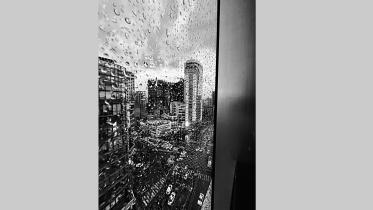
Tired of crying in CNGs
Every word I write is contemporary
My pain is urban
25 April 2026

The unheard theory: What the female voice in Sufi rituals reveals about modern life
It always felt like modernity flatters itself with a simple story: history moves from darkness to light, from superstition to reason, from inherited authority to critique.
25 April 2026
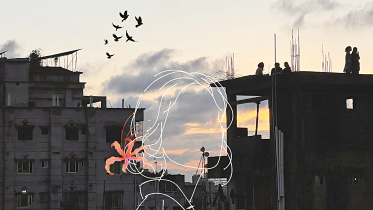
The rooftop
The rooftop is where she breathes.
25 April 2026

Writing what silence carries: Mohua Chinappa on memory, pain, and inheritance
Thorns in My Quilt (Rupa Publications India, 2024) unfolds through address rather than disclosure. Written as a series of letters to her father, Mohua Chinappa’s memoir traces memory not as a sequence of events, but as an emotional inheritance shaped by silence, expectation, and the subtle negotiations that govern family life.
24 April 2026
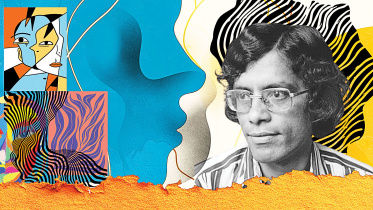
Humayun Azad and the courage to dissent
Does our society support free thinking or blindly imitate patriarchy, prejudices, and silence? Humayun Azad was one of the most controversial writers, professors, and researchers in Bangladesh.
24 April 2026
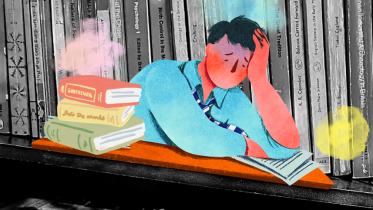
The quiet loneliness of a mind shaped by books
The more a reader learns to seek meaning, the more alone they may feel in a world of easy distractions
23 April 2026
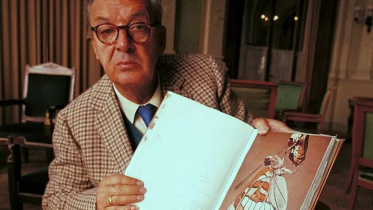
Between memory and mirage: The many lives of Vladimir Nabokov
How exile, memory and aesthetic daring made him one of literature’s most intoxicating minds
22 April 2026
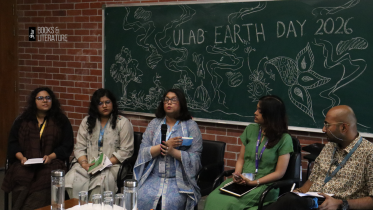
DEH-ULAB hosts Earth Day 2026 talk on climate fiction and water issues
As part of the university’s 2026 Earth Day celebration, the Department of English and Humanities at the University of Liberal Arts, Bangladesh (DEH-ULAB) organized a book discussion event on Tuesday, April 21, centered on climate fiction (cli-fi) and how fiction can provide not only parallels and premonitions for our present and future but also bring a wider audience’s attention to perhaps the single most important issue of our time. The event, titled “Lines on a Drying Map: Communities, Conflict, Currents, and Cli-Fi”
22 April 2026

The aviary within
I slip into your hut
and salvage bones, a soul,
18 April 2026

Body Selim
We know Body Selim. If you look around, you’ll find that after this incident, many people came to know him through the newspapers.
18 April 2026
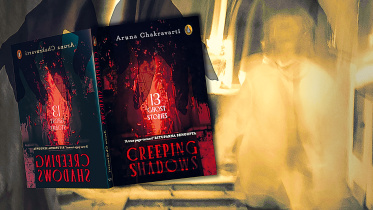
Aruna Chakravarti’s ghosts don’t just scare, they remember
Aruna Chakravarti is a doyen of historical fiction, spinning out narratives on the Bengal Renaissance with her Jorasanko (HarperCollins, 2013) novels, reviving the story of the Bhawal Prince with The Mendicant Prince (Pan Macmillan, 2022) and doing series of fictitious short stories based on chronicles from the past.
16 April 2026
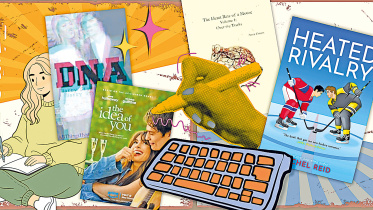
When fanfiction swapped out fans for publishing deals
It sounds flippant to put it that way but, the Aeneid, at its core, really is a continuation fic—picking up where Homer’s Trojan War ended and following Aeneas, a minor character in the canon, as he stumbles through an entirely new narrative along with original characters and incredibly expanded lore.
16 April 2026
Noboborsho
May love guide our path forward
May joy bring us together.
Shubho noboborsho
and long live resistance.
15 April 2026
Boishakh in fragments: Food, storms, and memory
In London, the celebrations are smaller and more intentional. They are arranged around busy schedules, often taking place in someone’s home rather than out in the open. There are food, music, and conversation—familiar elements, but quieter and on a smaller scale. There is a different kind of intimacy here: a sense that the celebration exists because we must make space for it, all of us gathering to recreate something of what we remember.
14 April 2026
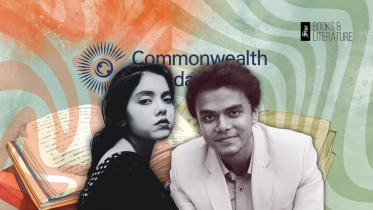
Two Bangladeshi writers make 2026 Commonwealth Short Story Prize shortlist
Two Bangladeshi writers—26-year-old Anmana Manishita, a lecturer at BRAC University, and 33-year-old Shazed Ul Hoq Abir, a lecturer at East West University—have been shortlisted for the 2026 Commonwealth Short Story Prize.
14 April 2026
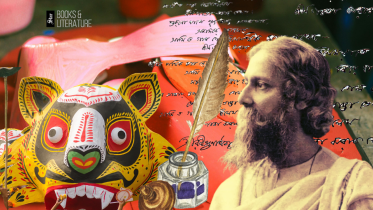
Rabindranath Tagore and the evolving spirit of Pohela Baishakh
But it goes without saying that Rabindranath, as the most famous member of the Tagore family and one of the cornerstones of Bengali culture, is thoroughly intertwined with the most significant day of the Bengali calendar. His thoughts on PohelaBaishakh are complex and evolved over the years, alongside his own development as an artist and the changing societal circumstances, as can be seen through his three essays on this day.
13 April 2026
Show in Mobile App
Off
Show Sub Category
Off
Show in Homescreen
Off