


Charting the Path of Nutrition Security through Soybean Farming
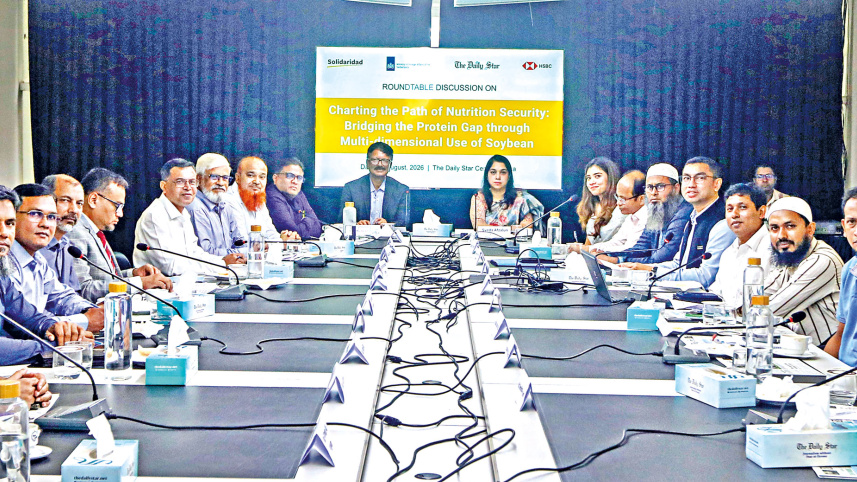
A roundtable titled “Charting the Path of Nutrition Security through Soybean Farming” was held on 17 August 2026 at The Daily Star Centre, Dhaka. Jointly organised by Solidaridad Network Asia and The Daily Star, with support from the Netherlands’ Ministry of Foreign Affairs and HSBC Bangladesh, the dialogue brought together policymakers, representatives from agricultural development institutions and leaders from the private sector to discuss Bangladesh’s scope for multi-dimensional use and local production of soybean for food and feed industries.

Selim Reza Hasan
Country Manager
Solidaridad Network Asia

Solidaridad initiated the soybean programme in 2017 aims to revolutionise productivity in the Noakhali region, where over 100,000 farmers previously faced poor yields and market access issues. Collaborative research with BINA, GAU and BARI resulted in high-yielding varieties that outperformed research trials during field demonstrations. Strategic partnerships with private entities like Nourish facilitated seed multiplication and a 15% yield increase through inoculum application. Currently, Bangladesh spends approximately $2.5 billion annually on importing soybean and soy meal for a feed industry. The total annual production volume of Bangladesh’s commercial livestock and aquaculture feed market has reached approximately 6.57 to 8 million metric tons, with total industry investment estimated at over BDT 28,000 crore (~$2.3 billion USD). Through support from HSBC and the Dutch Ministry of Foreign Affairs, 85,000 smallholders in Noakhali and Lakshmipur achieved a 79% yield increase and a 150% return on investment. Average yields increased by 79%, rising from 1.7 MT/ha to 3.04 MT/ha. Soybean farming eliminates irrigation needs and reduces urea fertilisation by 33% for subsequent crops. Policy integration and commercial seed production are essential for scaling. Soy-based products also offer superior nutrition for national school feeding programmes, providing an alternative to traditional snacks.

Mohammad Moziball Hoque (Keynote Presenter)
Head of Supply Chain and Private Sector Engagement
Solidaridad Network Asia
Bangladesh currently imports 93% of its soybean requirements, incurring an annual cost of $2.5 billion for 2.4 to 2.8 million metric tons. Increasing local production to 25% by 2030 would save approximately $600 million in foreign exchange while building resilience against global price shocks. In Noakhali, where 37% of the population suffers from stunting, soybean serves as a vital plant-based protein source. The implementation of regenerative agricultural practices has brought 85,000 farmers and 77,000 hectares under cultivation, yielding a 79% increase in productivity. Economically, soybean outperforms Boro rice with a benefit-cost ratio of 2.5 against 1.5, and production costs are significantly lower at 68,000 BDT. Infrastructure developments include 25 smart collection centres integrating 96% of farmers into formal supply chains. Strategic pathways focus on mechanisation, upstream value addition, and institutionalising public-private procurement to ensure long-term sustainability and $600 million in annual forex savings by the decade’s end.

Professor Dr. Jahedur Rahman
Pro-Vice Chancellor
Gazipur Agricultural University
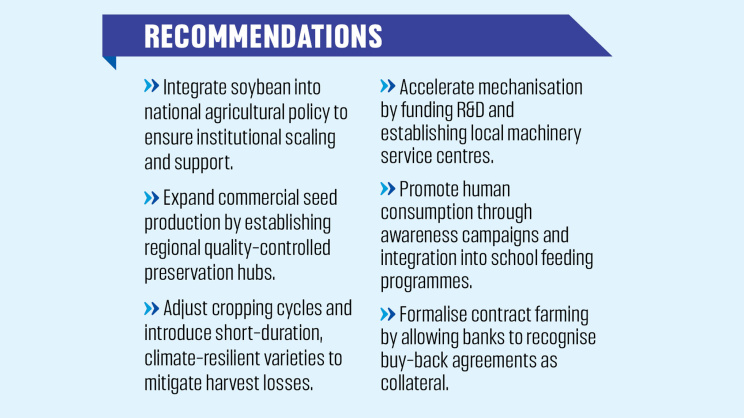
Research on soybean at Gazipur Agricultural University since 2006 underscores the crop’s multi-dimensional utility as human food and animal feed. Containing over 40% protein, soybean can significantly reduce pressure on rice consumption if traditional products like tofu, soy milk, and nuggets are popularised. The university maintains a germplasm bank of over 300 varieties and has successfully released salt-tolerant BU Soybean-3 and waterlogging-resistant varieties. Short-duration BU-2 and emerging vegetable and black soybean types present further economic opportunities. However, the primary bottleneck remains the insufficient supply of quality seeds at the farmer level. Commercial seed production through private entrepreneurship is critical to bridging this gap. Mechanisation is equally vital for reducing cultivation costs, particularly in the vast coastal and river island regions of Bangladesh. A collaborative Triple Helix model involving researchers, the government, and the private sector is necessary to boost the economy and utilise soybean’s full potential.

Osman Haruni
Senior Policy Advisor - Agriculture and Food Security
Embassy of the Kingdom of the Netherlands
Economic realities rather than emotional narratives must dictate soybean policy. Bangladesh lacks the absolute advantage held by Brazil and the USA in land, mechanisation, and seed systems; therefore, soybean should be positioned as a complementary crop rather than a replacement for rice, which ensures national food security. Short-duration, 85-day varieties present an opportunity to integrate soybean into existing cropping patterns post-Aman harvest. Since 70% of poultry and fish production costs are attributed to feed, imposing import tariffs to protect local farmers could inadvertently raise protein prices for the general population. Growth should be sought through technological intervention to increase productivity to 3.2 metric tons per hectare and by utilising saline-prone coastal areas. Contract farming models, supported by banking facilities that recognise buy-back agreements as collateral, offer a sustainable path for industrial growth. Government focus should remain on creating an enabling policy environment and establishing logistics.
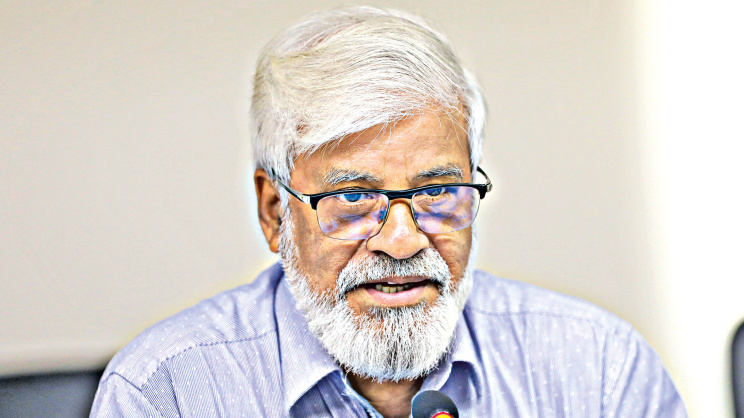
Dr. Abdul Karim
Professor
International University of Business Agriculture and Technology
Soybean has been present in Bangladesh since the 1940s, and with national demand projected to reach 10 million tons by 2030, it is essential for strengthening the dairy, poultry, and aquaculture sectors. Currently, imports cost the nation 35,000 crore BDT annually. The Solidaridad Network Asia buy-back model, linking academia and industry, provides a blueprint for ensuring farmer profitability. Geographically, soybean cultivation is most viable in the southern coastal belt due to cropping intensity and climate constraints in the north. The emergence of 20 square kilometres of new fertile land annually in the south offers significant expansion opportunities. However, seed maintenance remains a significant challenge that BADC cannot resolve alone; local entrepreneurship is indispensable. Expanding salt, drought, and waterlogging-tolerant varieties is necessary to build a climate-smart value chain. Setting a realistic target to meet 25% of national demand through local production would substantially reduce hard currency expenditure.

Dr. Mohammed Harun Or Rashid
Principal Scientific Officer
Oilseed Research Centre, BARI Gazipur
Although categorised as an oilseed, soybean’s high protein content and low oil yield often lead to its treatment as a pulse. Production remains concentrated in Lakshmipur, which accounts for 90% of national output, primarily serving a few large industrial groups that prioritise imports. Currently, 200,000 tons are produced across 100,000 hectares, yet the local market lacks diversity beyond traditional regions. While global yields exceed 2.5 tons per hectare, Bangladesh averages only 1.85 tons, largely due to day-length variations. Increasing domestic production to the 25% target requires diversifying the consumer base. One kilogramme of soybean can produce five to seven litres of nutritious milk, comparable to bovine milk. Educating the marginal population on these nutritional benefits is essential to drive demand and increase acreage. Relying solely on the current industrial framework is insufficient; broader public consumption must be fostered to achieve national self-sufficiency in protein and oil.
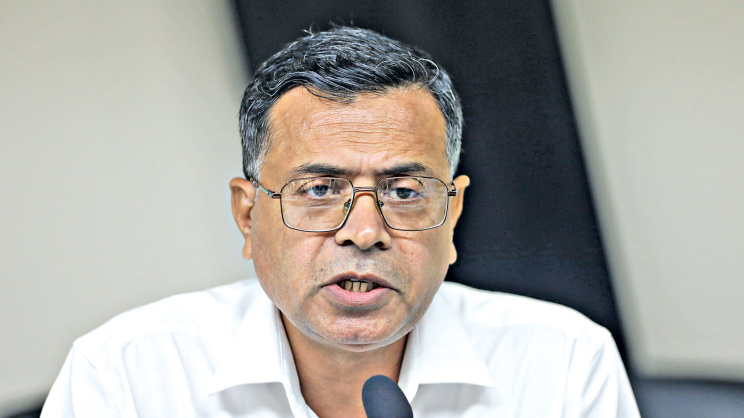
Dr. Reza Mohammad Emon
Head of Biotechnology Division & PSO
BINA Mymensingh
Soybean cultivation is expanding beyond Noakhali and Lakshmipur to regions including Bhola, Barishal, and Satkhira. BADC plays a pivotal role in this expansion, recently distributing significant quantities of BINA Soybean-6 and 7, which can yield 2,500 kilogrammes of produce from every 100 kilogrammes of seed. However, a gap remains in ensuring quality seed reaches farmers alongside modern technologies. Collaboration between research institutes and extension personnel is vital for improving field-level dissemination. Beyond economic utility, soybean provides immense health benefits, including lowering cholesterol, improving heart health, and reducing cancer risks. Its agricultural advantages are equally significant, as the crop adds 18 micronutrients to the soil through nodule formation and nutrient cycling from falling leaves. A comprehensive package involving seed storage, industrial processing, and heightened public awareness is required. This multi-sectoral approach will create employment, reduce import dependency, and promote sustainable development through a robust national value chain.

Syeda Afzalun Nessa
Head of Sustainability
HSBC Bangladesh
Over the past five years, HSBC has supported climate-smart agriculture focusing on climate vulnerable regions such as Noakhali, the Haor areas, and Rajshahi as part of its philanthropic support. The partnership with Solidaridad Network Asia prioritises soybean crops that increase farmer income and food security, while remaining climate-friendly. At the same time, it has strong commercial relevance because of the growing demand for soybean in the poultry and livestock feed industry. As part of this program, we have also supported women entrepreneurs to develop soy value-added product development, such as soy milk, tofu, nugget and biscuits for the local communities. For HSBC, our focus has been supporting the development of a more sustainable and commercially connected value chain for soybean.
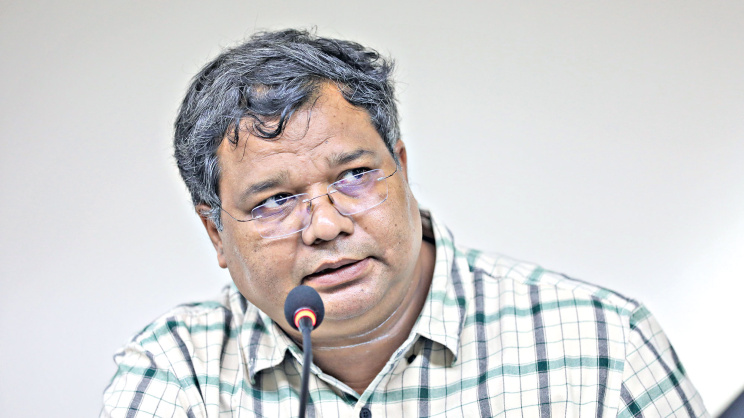
Fasiul Alam
Head of Business (AGM)
Nourish Feed
Experiences since 2021 indicate that locally produced soybean varieties offer superior protein content, ranging from 38% to 40%, compared to the 32% to 34% found in imported varieties. Despite this nutritional advantage, early rainfall during the harvest season remains a critical threat, resulting in fungal infections affecting 4% to 15% of the seeds this year. To mitigate this, the cropping pattern should be shifted from mid-January to mid-December, ensuring harvests occur before the onset of monsoon storms. Furthermore, seed purity and variety mixing pose significant challenges for feed quality control. Maintaining a moisture content of 10% post-harvest is essential to prevent fungal growth, necessitating the introduction of small-scale mechanical dryers for farmer groups. Continued investment in R&D, such as the 200-acre facility in Subarnachar, is vital for maintaining genetic purity. Strengthening post-harvest management and aligning cropping cycles will ensure consistent quality for the feed industry.

Mohammad Enamul Karim
General Manager
C.P. Bangladesh Co. Ltd.
 For all latest news, follow The Daily Star's Google News channel.
 Soybean meal serves as the backbone of the poultry sector, constituting 25% to 30% of animal feed. However, a substantial gap exists between demand and supply, with local production meeting only 3% to 4% of requirements. Drawing parallels with the successful maize revolution, the private sector is prepared to support soybean expansion through advanced contracts and fixed-price guarantees. A primary obstacle in coastal regions is the lack of land traceability and formal titles, which complicates long-term investment. Despite these risks, successful sourcing of 3,000 to 4,000 tons of high-quality local grain for industrial use demonstrates the potential for domestic procurement. Collaborative efforts between government bodies like BADC and private entities are necessary to identify new cultivation hubs in districts such as Muladi, Barishal, and Bhola. Committing to a 360-degree supply chain will ensure that even small quantities of quality produce reach industrial users, eventually mirroring maize’s growth.
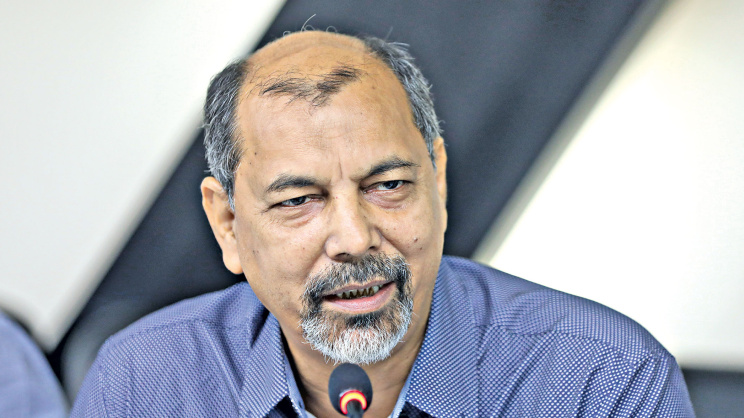
Mohammad Forhad Julfikar Rafel
Vice President of Field Operations
iFarmer
Soybean’s greatest advantage lies in its ability to thrive on fallow land that otherwise remains unproductive. Lessons from the maize sector, which now meets 70% of local demand, should be applied to soybean to alleviate the pressure of 93% import dependency on foreign exchange reserves. Manpower shortages in remote regions necessitate the urgent introduction of agricultural mechanisation. Operations in Bhola have successfully utilised BU-4 and BU-5 varieties, demonstrating high returns on investment. Strategic alignment with the government’s One Village One Product initiative could foster rural employment and cottage industries. Furthermore, market development must not focus solely on high-quality produce; establishing secondary markets for B, C, and D grade soybean is essential to protect farmer incomes. While the current superstore market for soy products remains below 0.01%, awareness campaigns highlighting nutritional value could trigger massive growth. A 360-degree supply chain approach is required for environmental and economic sustainability.
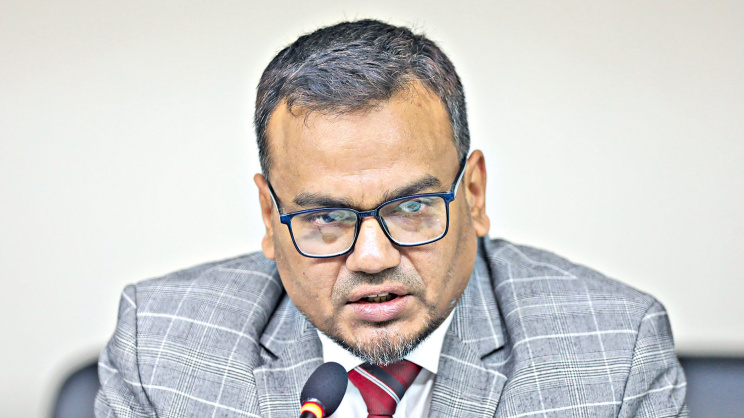
AHM Mahbubul Baset Bhuyan
Principal
Bangladesh Krishi Bank Staff College
Bangladesh Krishi Bank plays a pivotal role in nutrition security through extensive agricultural credit facilities, maintaining 1,038 branches with a 58% focus on the agricultural sector. Under the government’s interest subsidy programme, loans for soybean and other oilseeds are offered at a 4% rate. Last fiscal year, 49 crore BDT was disbursed under this programme, with 39 lakh BDT specifically allocated to soybean. Additionally, a new 10,000 crore BDT refinancing scheme at 8% interest aims to further boost food security. While financial resources are available, achieving national targets requires an integrated value chain approach. Coordination between government agencies, research bodies, and the private sector is essential to bridge the protein gap. Financial institutions are prepared to support farmers, yet better awareness and customer selection are necessary to ensure these low-interest facilities are fully utilised. Soybean represents a cornerstone for economic security and reduced import dependency.
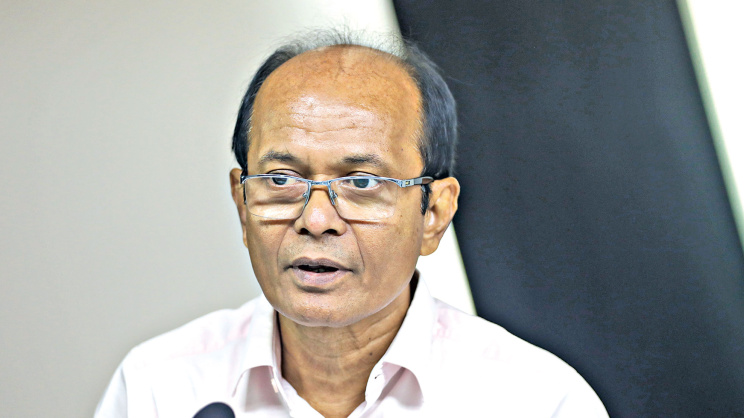
Obaidur Rahman
Director of Field Service Wing
Department of Agricultural Extension
Closing the gap between a 2.4 million metric ton demand and the current 200,000-ton local production requires a massive, coordinated effort. BADC’s contribution to seed production, storage, and marketing must be prioritised to achieve sufficiency. Historically, programmes like the NCDP promoted soy-based foods, yet consumer acceptance remains hampered by taste and odour preferences. Soybean, containing 40% protein and 20% oil, serves as both a pulse and an oilseed, yet it faces intense competition from aggressive crops like maize and dragon fruit in fertile regions. Consequently, expansion efforts should concentrate on coastal districts and newly formed river islands that are resilient to climate impacts. The 25 collection centres established by Solidaridad Network Asia should be upgraded into technological hubs for seed preservation. Furthermore, research in food technology is necessary to improve the palatability of soy products. Increasing unit productivity to five tons per hectare would allow for vertical development.

Tanjim Ferdous (Moderator of the Session)
Head of Strategic Partnerships
The Daily Star
Soybean holds significant potential for enhancing the nutritional and economic security of Bangladesh. This roundtable underscores the importance of bridging the protein gap through multi-dimensional soybean use. Coordination between farmers, researchers, and financial institutions is vital for transitioning from field trials to a sustainable national value chain. There should be more discussions on unlocking potential through mechanisation, quality seeds, and reliable market linkages.
Rizuanur Rahman, a Farmer Representative from Noakhali
Forman Ali Bhuiyan, CEO of Fozia Foods
Md. Omidul Hasan, Managing Director of Janata Engineering
ABM Tajul Islam, Agriculture Officer from BURO Bangladesh
also participated in the discussion.
Comments