


The new wedding mood: Personal, expressive, and unmistakably you
As Bangladesh prepares for another busy wedding season, the industry is moving beyond the one-size-fits-all ideas of bridal beauty, décor, and fashion. Couples today are not simply choosing what looks fashionable. They want celebrations that reflect their personalities, relationships and memories.
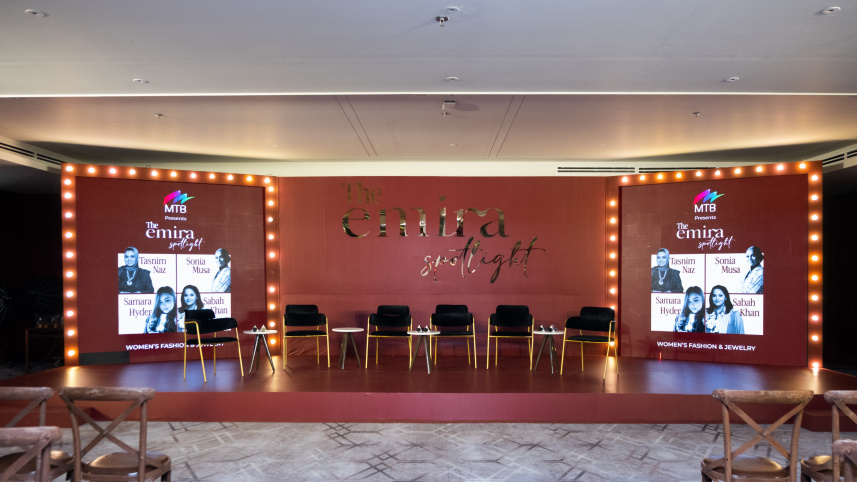
These shifts were explored at The Emira Spotlight, held on 18 September, 2026, at Crowne Plaza Dhaka Airport. The event brought together professionals from makeup and beauty, event décor, men’s fashion, women’s fashion and jewellery. Star Lifestyle caught up with some of the industry experts present to understand the trends likely to shape the coming wedding season.

Makeup that still looks like you
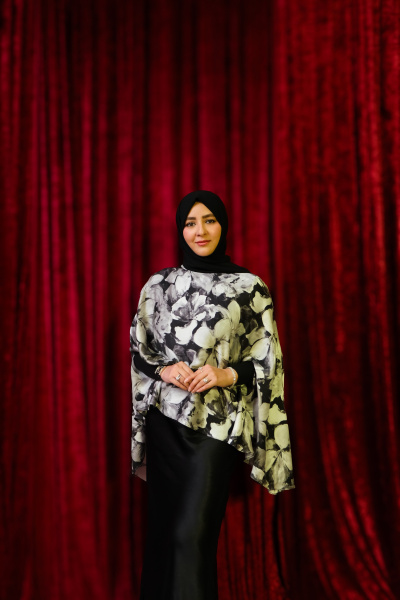
For Nahila Hedayet, makeup artist, cosmetologist and owner of Privé by Nahila Hedayet, the most noticeable change is the move away from dramatic transformation.
“Nowadays, people are more focused on enhancing their natural beauty,” she says. Brides are asking for a luminous, glass-skin finish that accentuates their features instead of concealing them beneath heavy coverage and excessive contouring.
Monochromatic makeup is also gaining ground. Rather than combining several contrasting shades, artists are working within the same colour family across the eyes, cheeks, and lips. The result is polished, cohesive, and less likely to feel dated years later.
“When a bride looks back at her pictures in the future, she should feel that she still looks like herself,” Hedayet explains.
However, natural-looking makeup often requires preparation long before the wedding day. Since many brides book their appointments three to six months in advance, Hedayet uses early consultations to encourage proper skincare. Her advice is to seek professional guidance rather than experimenting with unfamiliar products or aggressive treatments.
“Go to a dermatologist, start taking care of your skin and yourself, and drink plenty of water,” she recommends. “When the skin is healthy, the makeup sits well, lasts longer, and looks radiant. You cannot always fix everything with heavy makeup on the wedding day.”
She also rejects the notion that makeup is inherently artificial or performed for someone else’s approval. “Makeup is an expression,” she says. “Some people like designer bags, some like dressing well, and some enjoy doing makeup. For me, even when I feel tired, putting on makeup lifts my mood. It can be a form of self-care and a way of representing your personality.”
The wedding as a personal narrative
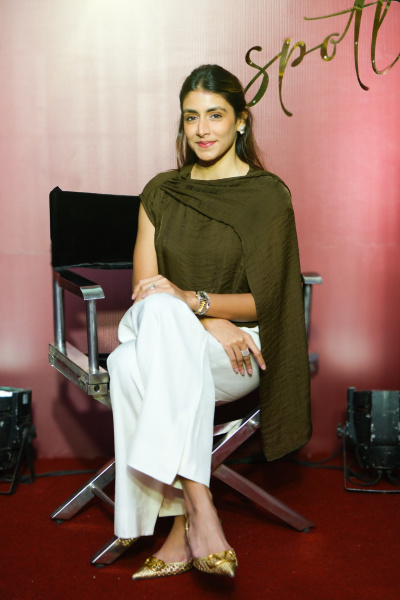
Personalisation is equally influential in event planning. Shifa Mamoon, of Blitz Events, says couples are now closely involved in shaping every aspect of their celebrations.
“Everyone wants the event to represent their personality,” she says. “It has to show who they are, how they met and what their story is.”
In the past, clients might have selected one of a handful of available themes and requested a particular colour. Today, after researching extensively online, couples arrive with detailed references and precise expectations. This places greater pressure on planners, but Mamoon sees it as part of the industry’s development.
Budget, of course, remains a decisive factor regardless of the scale of the wedding. “Even with a big budget, everyone has a limit,” she notes. The planner’s responsibility is to identify what matters most to the couple and allocate resources accordingly, without neglecting the comfort and enjoyment of guests.
“It is not just about making the bride and groom happy. The guests should also be given a great experience,” Mamoon says.
Looking ahead, she believes Bangladesh’s greatest strength lies in its artisans. Local craftspeople already demonstrate exceptional skill in floral arrangements, fabric work, and structural production, but often lack exposure and formal training opportunities.
“If there is more unity within the wedding industry, we can organise training sessions and bring in experts to work with our artisans,” she suggests. Her hope is that Bangladeshi wedding professionals will eventually be hired for destination weddings abroad, rather than clients routinely taking their celebrations outside the country.
Grooms step beyond the template
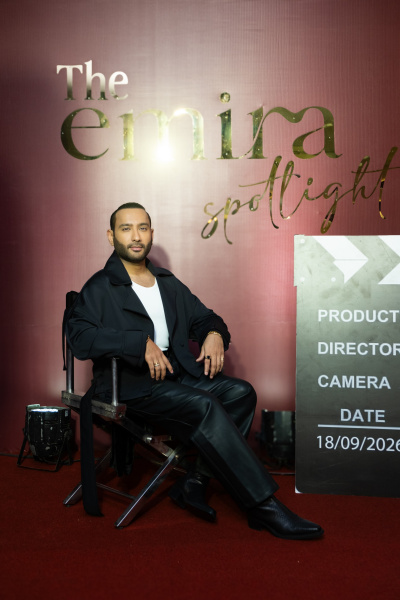
Men’s wedding fashion is also becoming more adventurous. Mehruz Munir, founder and creative director of Zurhem, has watched attitudes change significantly since establishing the brand in 2015.
 For all latest news, follow The Daily Star's Google News channel.
 At the time, he says, fashion was rarely treated as a serious profession in Bangladesh, particularly for men. There were few established pathways for male designers, while design itself was often viewed as a pastime rather than a viable industry.
That outlook has gradually shifted. Designer wear is more familiar to consumers, new designers are entering the profession, and younger grooms are increasingly willing to experiment.
“Gen Z and the younger generation are more open-minded when it comes to design,” Munir observes. “When I started, I almost had to fight with customers to let me be a little creative. Now, grooms come in hoping we will make them something different.”
Rather than requesting a conventional outfit, many now seek distinctive colours, embellishments and silhouettes. Munir links this confidence to a broader loosening of restrictive ideas about masculinity.
“This generation does not have that constant need to fit into a box,” he says. “Men are embracing their feminine side, and women are embracing their masculine side. We can all be vulnerable. Vulnerability should not belong to one gender.”
Dresses built from memories
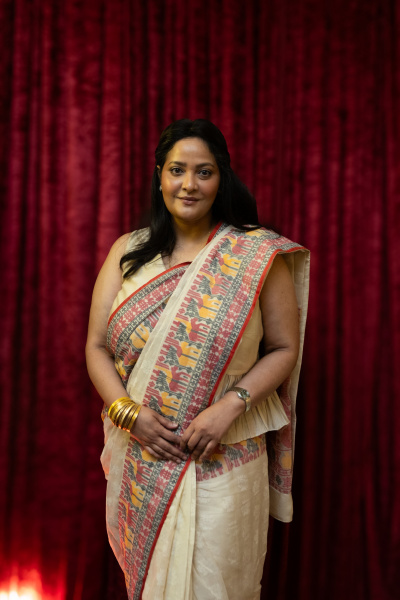
For fashion designer and craft revivalist Sabah Khan, customisation is not simply about selecting an unusual colour. It can mean turning a bride’s personal history into something wearable.
Khan recalls one bride who sent her original drawings and pictures of flowers. The designer translated the artwork into hand embroidery and thread work for the bridal ensemble. Other clients have asked her to incorporate their mothers’ dupattas into new outfits.
“It is like making core memories with your dress,” she says. “You are not just walking into a shop, seeing what is on the rack and picking it out. You create something that is completely your own.”
Colour rules are becoming similarly flexible. Although Khan considers red a timeless choice, she finds that society is increasingly accepting of brides who prefer ivory, cream, off-white, gold, green or jewel tones. Ivory remains especially popular for Nikkah ceremonies, while some brides reserve traditional red for the main wedding.
Photographs that move and breathe
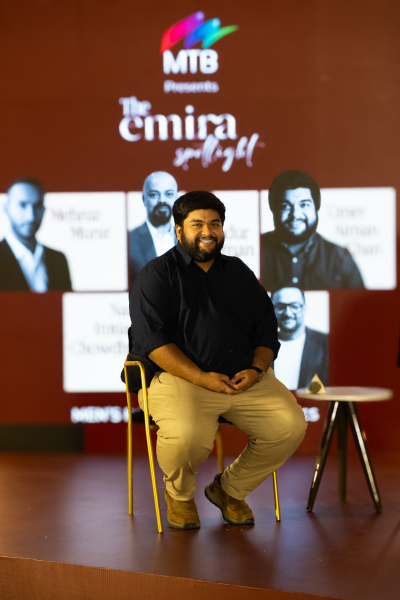
Personal storytelling continues behind the camera. Umer Aiman Khan, professional wedding photographer and co-founder of Reminiscence Photography, predicts a season in which classic grandeur and relaxed photography coexist.
He expects crowns and pagris to return, alongside royal wedding looks, playful holud celebrations, and glamorous, red-carpet-inspired receptions. Pastels remain popular, but traditional colours such as red and blue are also reappearing. Pakistani designer wear, he notes, is exerting a particularly strong influence on local wedding wardrobes.
Photography itself, however, is becoming less rigid. Couples increasingly prefer images of themselves walking, talking and interacting over carefully arranged poses.
“Instead of directing someone to stand still, we might ask them to walk and take a photograph in between,” Khan explains. “The aim is to capture natural movement and use the photographs to tell a story.”
Across makeup, clothing, décor and photography, the direction is remarkably consistent. The coming wedding season is not defined by one colour, silhouette or theme. Its strongest trend is individuality: celebrations that look less like borrowed templates and more like the people at their centre.
Comments