


Keep institutions free from partisanship

Bangladesh’s democratic journey has been historically impeded by politicised institutions. But it was most conspicuous during the 15 and a half years of Sheikh Hasina’s rule that saw three elections displaying the most blatant irregularities, thanks to the politicisation of all related institutions, the election commission being the most crucial. The subsequent parliaments virtually had no opposition and the government could easily pass draconian laws and establish institutions that allowed gross human rights violations, unhindered financial corruption and major setbacks in all developmental indicators.
The institutions completely politicised included law enforcement agencies, the judiciary, the National Human Rights Commission and Bangladesh Bank. Unsurprisingly, all commissions and committees in all sectors were also in the grip of political influence.

The student-led people’s uprising was a consequence of the unbridled corruption and repression of people that eventually led to the fall of Sheikh Hasina's government. It also gave way to great expectations of change in the political culture to be manifested through the de-politicisation of public institutions. Unfortunately, this country’s political culture has been characterised by an overwhelming need for political control and a reluctance to allow institutions to function independently. So far, we have yet to witness a dramatic change.
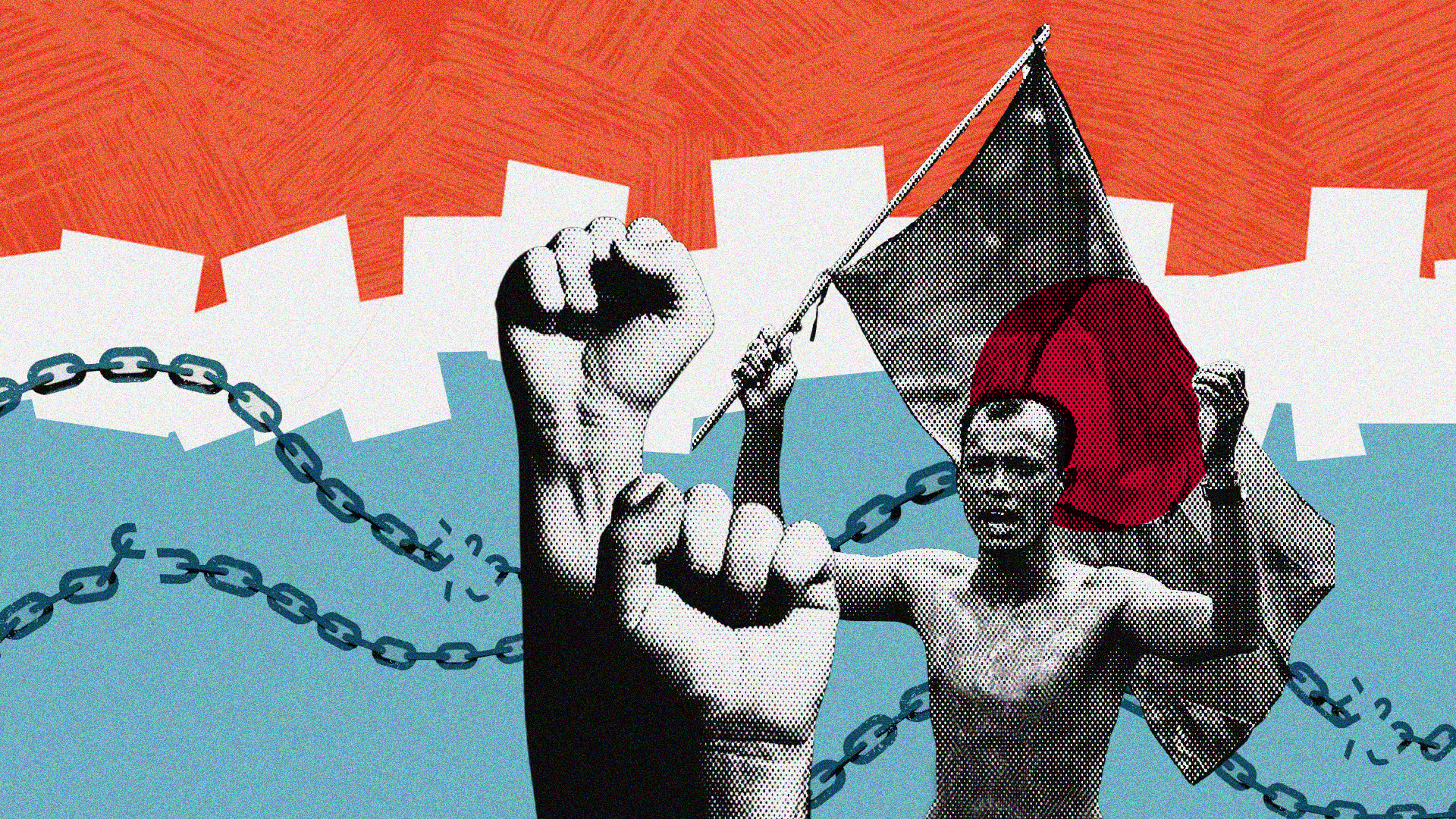
Institutions that check and balance executive and political power remain fragile. Partisan considerations still seem to influence appointments and decisions in institutions such as the Election Commission, the judiciary, the Anti-Corruption Commission (ACC), universities and local administration; these concerns have been raised at a recent event in the capital. When institutions depend on political patronage, accountability becomes selective.
The ACC, for instance, will not be able to function effectively if investigations only focus on former administrations and not on influential individuals in power. Weak institutions, moreover, create incentives for corruption. If political connections continue to shield corrupt public representatives and officials, corruption and crime will never be curtailed. Institutional weaknesses translate into wasted public money, poor public services, inefficient administration, weak regulation and abuse of state resources.

Without credible institutions, development will continue to face setbacks. Education, healthcare, investment, banking, infrastructure and local government depend on institutions that can enforce rules consistently and without political interference. The banking sector crisis is an example of what happens when regulators and public institutions cannot act independently, leading to massive financial misconduct. This imposes huge costs on depositors, taxpayers and the economy as a whole. Politicised institutions also corrode expertise that detrimentally impacts institutions such as universities and the civil service, thus diminishing the quality of public service.
The most devastating consequence of this malaise is a loss of public trust in institutions, which weakens them further. For any government that wants to gain the confidence of the people and that is sincere about the nation’s development, the first priority must be to make its institutions effective. This is only possible if these institutions are given the independence and power to do their job—a crucial component of a functioning democracy.
 For all latest news, follow The Daily Star's Google News channel.
Comments