


‘We are stuck’: Imran highlights crisis in Bangladesh women’s cricket
- Bangladesh’s problems began after the Asia Cup loss to Sri Lanka.
- Negative media reports may have affected the players psychologically.
- Bangladesh are struggling with power hitting and six-hitting.
- The team needs psychological support and confidence boosting.
- Discussions about coaches and captains during a tournament can affect performance.
- Bangladesh women’s cricket is stuck due to deeper systemic issues.
- The country lacks a strong school, age-group cricket structure for girls.
- Bangladesh needs more players, better infrastructure and dedicated women’s training facilities.
- A women’s HP program and proper development pathway are needed to compete with India, Pakistan and Sri Lanka.
Bangladesh women’s cricket team coach Sarwar Imran pointed to outside noise, psychological pressure and, above all, the lack of a proper development structure as some of the key issues behind the Tigresses’ disappointing Asian Games campaign.
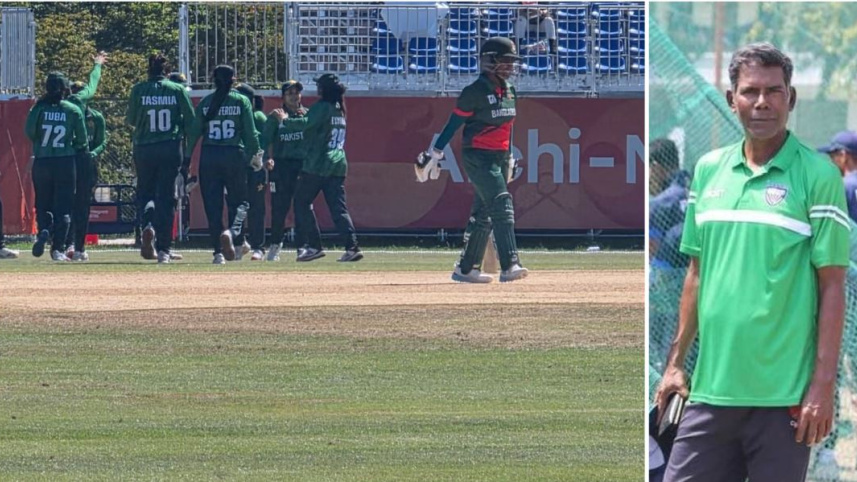
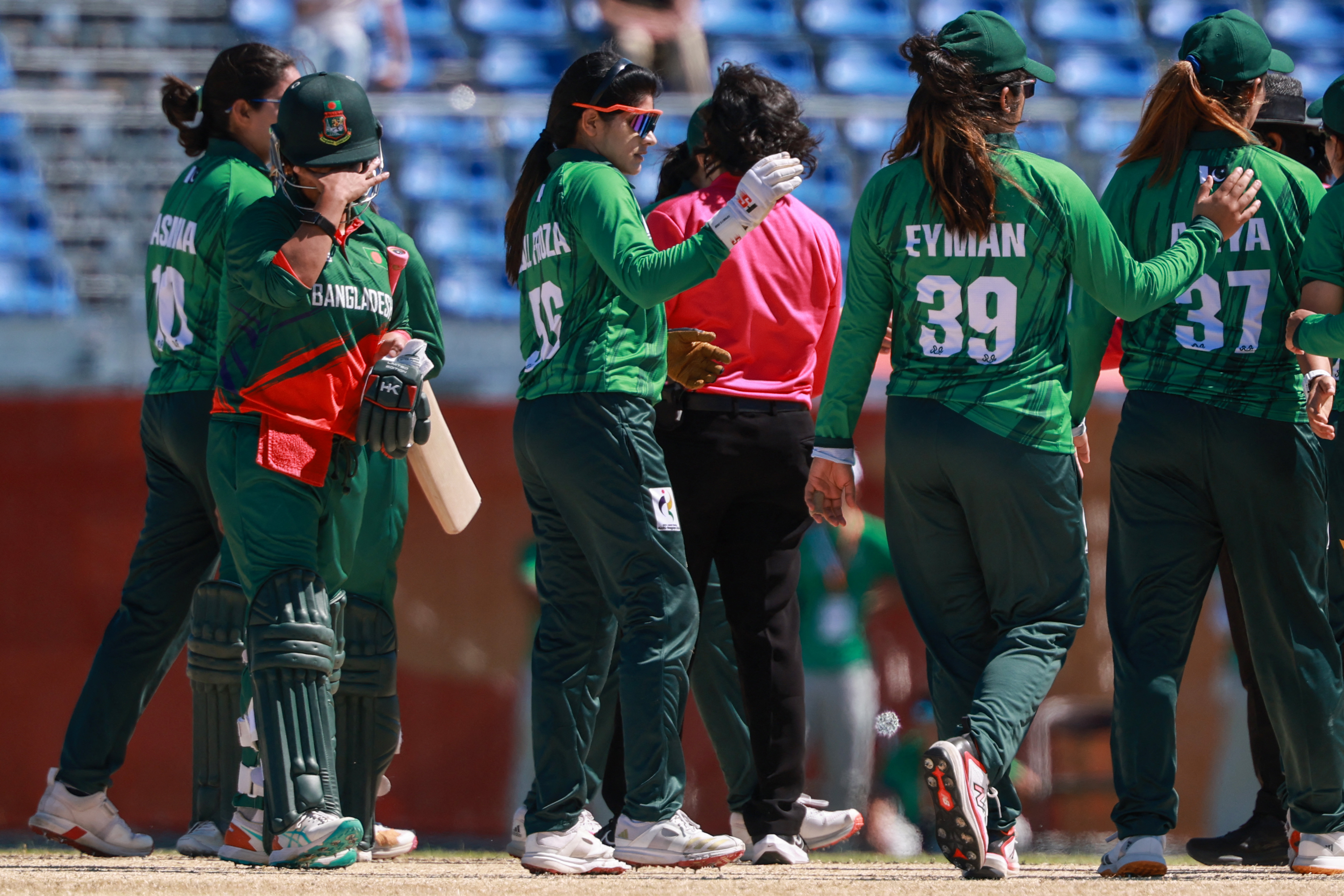
Bangladesh ended their Asian Games 2026 campaign without a medal after suffering a 31-run defeat to Pakistan in the bronze-medal contest today. It marked the first time the Bangladesh women’s cricket team returned home from the Asian Games without a medal.

The Tigresses had featured in three previous editions of the Asian Games, winning two silver medals and one bronze. They made their debut in Guangzhou in 2010 and claimed silver before repeating the feat in Incheon in 2014. Bangladesh then won bronze in Hangzhou in 2023 after defeating Pakistan.
Following the defeat to Pakistan, Imran spoke to journalists about the team’s performance and the issues surrounding the side, saying the problems had begun during the Asia Cup.
“Actually, our problem started from the Asia Cup,” Imran said. “We lost a close match against Sri Lanka in the Asia Cup. Since that loss, we’ve been getting various kinds of news from different places.”
According to Imran, Bangladesh struggled to produce competitive scores even against teams such as Indonesia and the UAE, and he felt that problem continued into the Asian Games.
Bangladesh’s batting performance against Pakistan, particularly in the powerplay, was another major concern for him. Chasing 145, Bangladesh managed only 24 runs during the first six overs, leaving themselves significantly behind the required rate.
“For 145 runs, in the powerplay you need a reasonable 40–45 runs,” Imran said. “You don’t need 60–70, just 40–45. We scored 24 runs in the powerplay, which put us far behind. The powerplay runs are what cost us the match.”
Asked about the “news” he had referred to, Imran described it simply as “negative news”. He suggested that such reports could have affected the players mentally, while stressing that it should not be considered an excuse.
“It may have had an impact on the team and the players,” he said. “I’m not sure, but it could be one of the reasons. No excuse, but it could be one reason.”
Imran also highlighted Bangladesh’s struggles with power hitting. While other teams have been able to clear the boundary regularly, he said Bangladesh’s batters have struggled to do the same.
“You look at any team, they are hitting sixes easily, but our team can’t even hit sixes,” he said.
Asked what could be done to address the problem, Imran identified the psychological aspect as an important area.
“I think the solution is psychological,” he said. “We need to boost them up, but we are unable to boost them up.”
Imran, however, denied that there was a major bonding problem within the team. He said criticism could have an impact on individuals but insisted that there was no internal problem with the team itself.
The discussion also touched on speculation surrounding the futures of the coaching staff and captaincy. Imran said talk about whether certain individuals would be retained had become a distraction, particularly while the team was competing in a tournament.
“We are playing a tournament, and you have already sized up the head coach and the captains, so how do you expect [us to perform]?” he said.
Imran also noted that his own two-year contract was due to expire in October.
 For all latest news, follow The Daily Star's Google News channel.
 However, he identified a much deeper issue beyond the immediate results: the lack of a strong development pathway for women’s cricket in Bangladesh.
Asked whether he felt the women’s team had become stuck at a certain level, Imran replied, “Definitely, they are stuck at a certain point.”
He argued that international performance cannot be separated from the structure beneath the national team. While Sri Lanka has hundreds of girls participating in school cricket, Bangladesh does not have a comparable system, he said.
“We don’t have new players; we can’t even produce more than 30 players to choose from,” Imran said.
He called for the development of school cricket, Under-18 and age-group competitions, as well as dedicated training facilities for female cricketers. He also stressed the need for a women’s High-Performance programme.
“These things need to be looked at carefully,” he said. “Once these things are implemented, new players will start coming through.”
Imran agreed that Bangladesh’s recent struggles were linked to systematic and infrastructural problems. He said women’s cricket was developing but needed greater investment and a more comprehensive structure.
“If school cricket is introduced, Under-18 is introduced, a women’s HP program is introduced, and separate training facilities are created for women, then perhaps we will be able to compete with India, Pakistan and Sri Lanka,” he said. “Maybe in a year, we will be able to compete with them.”
For Bangladesh, the Asian Games campaign ended with disappointment and the loss of a medal that had been seen as a realistic opportunity. But Imran’s comments suggested that the issues facing the team extend beyond one defeat or one tournament.
Comments