


The allure of live theatre in the age of screens
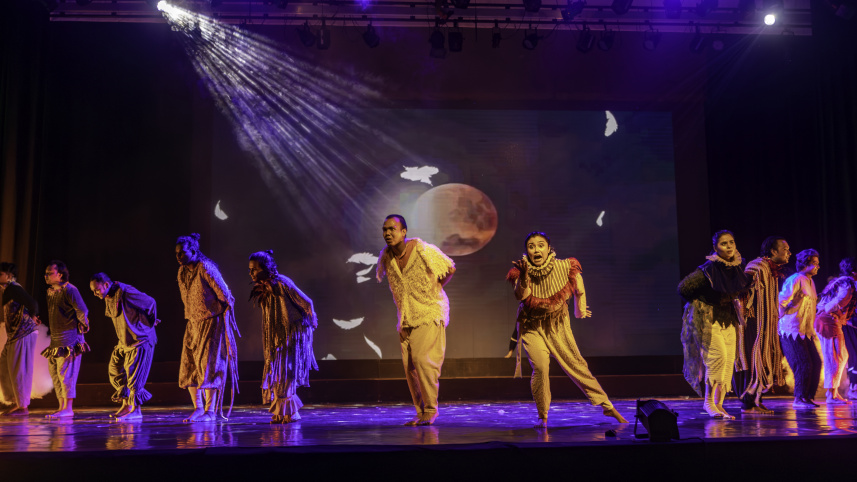
In 1896, audiences watched one of the first films ever projected in a theatre, The Arrival of a Train, and felt like the locomotive was about to plough through the screen and run over them. Cinema felt like witchcraft, conjuring moving ghosts onto a flat sheet of fabric, allowing people to witness life detached from the physical world for the very first time.
A century later, cinema remains a remarkably young art form whose creative possibilities continue to evolve. But the novelty of seeing life on a screen has long since faded. We now grow up in a world surrounded by glowing screens, waking to them, working through them, and unwinding with them. We no longer marvel at moving images because they have become the very texture of modern existence.

Ironically, what now feels miraculous is something far older: theatre. A realisation that hit me when I watched a live performance for the first time.
As I sat in a dark auditorium for Open Space Theatre’s stage adaptation of Agatha Christie’s classic whodunnit, And Then There Were None, the effect was visceral. A gunshot went off — as they often do in murder mysteries — and it reverberated through the room, sending a collective gasp through the crowd.
But it’s not just the novelty factor. Watching flesh-and-blood human beings transform into entirely different people just a few metres away feels strangely surreal even after watching several plays. There is no camera separating performer and audience, yet somehow, they remain sealed inside a world of their own, separated from us only by imagination. A medium somewhere between the communal experience of cinema and the intimate act of imagination that novels demand. Where a gust from an offstage fan becomes a storm because the audience willingly completes the illusion.
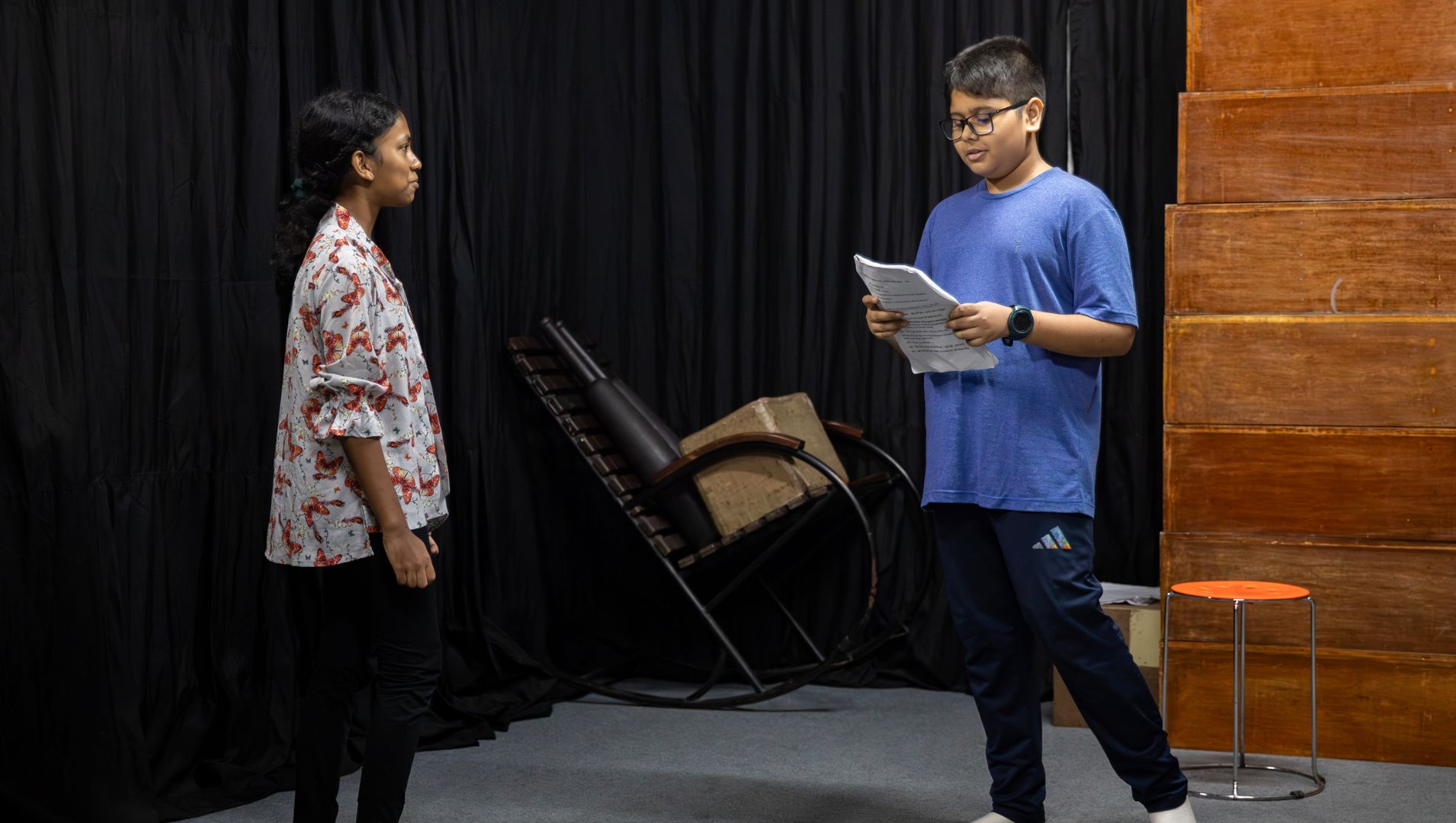
Because storytelling is stripped down to its essentials, any sudden flourish feels monumental. A burst of dramatic lighting, a blackout that renders the room pitch-black, or an actor breaking “the fourth wall” by jumping off the stage and running towards the audience — each choice carries immense weight.
Theatre comes alive not only because of what happens on stage, but also because of what happens in the audience. The room becomes a feedback loop. Since the actors can see and hear us, they don’t just perform at us. They perform with us. Every laugh reshapes comic timing; every silence stretches dramatic tension. Actors instinctively respond to the energy of the room, adjusting pace, pauses and intensity as they go. And so, the audience ends up actively co-authoring. This means the performance we see will never happen exactly that way again. There is something beautifully tragic yet deeply romantic about a medium where a specific piece of art will exist only in the memories of those who were in that room.
There is also a tension unique to live theatre: the knowledge that anything could go wrong at any moment. More often than not, it doesn’t, thanks to preparation, trust, and skill. But that possibility quietly amplifies every scene.
Beyond its emotional impact, theatre is a masterclass in other disciplines. For actors, it builds unmatched emotional stamina to live a character’s arc continuously for hours. For writers, it enforces the weight and cadence of dialogue as the sole propulsive force. For filmmakers, stripped of cameras and lenses, it proves the raw power of lighting and blocking — the physical arrangement and movement of actors in a space — to guide the eyes.
At the end of a resonant film, I often linger during the credits to see the names of the hundreds of people who brought it to life. So, when the cast and crew of the live performance step forward to bow, breaking the invisible barrier between stage and a cheering audience, a profound feeling washes over me. I am not looking at letters on a screen but at the very people — still dressed as their characters, yet suddenly someone else.
None of this is to put one medium over another, as each comes with its own beauty, strengths, and limitations. There’s still a whole world of people out there who haven’t experienced it even once, a world to which I belonged not long ago.
A trip to the theatre can be an opportunity to experience adaptations of classics or wholly original plays, acting as a sensory detox, immersing you in this spell of a medium. A spell that is thousands of years old and threatened by grander spells we invented along the way, yet one that continues to conjure wonders, laughter, and terrors.
Miazee Abrar drowns in daydreams and writes stories for worms.
 For all latest news, follow The Daily Star's Google News channel.
Comments