


‘I Am Alom’
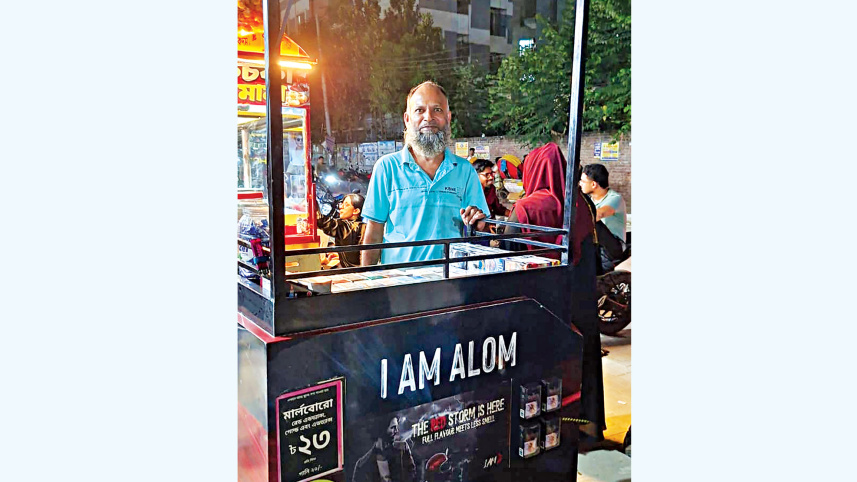
I met Alom in the backstreets behind North South University’s campus -- locals call it Ghatpar in Vatara; he is most probably the coolest cigarette seller in town right now. He runs a portable stand with a bold sign that declares “I Am Alom”. How fancy is that?
From Sirajganj, he’s sweet, friendly, full of etiquette, and somehow manages to chat with an older lady like me while serving tens of students at once. His daily take? Twenty thousand taka. I half‑seriously begged him to let me be his assistant, and for a while I stood beside him, selling sticks. The vibe was wild, pure fun.

Around him, students lounged and laughed, talking merrily about mundane class routines. Some even sat in as his proxy whenever Alom took a break, as if the stall itself had become part of their campus rhythm. By evening, the lanes filled with boys and girls from NSU, turning the whole stretch into a buzzing carnival.
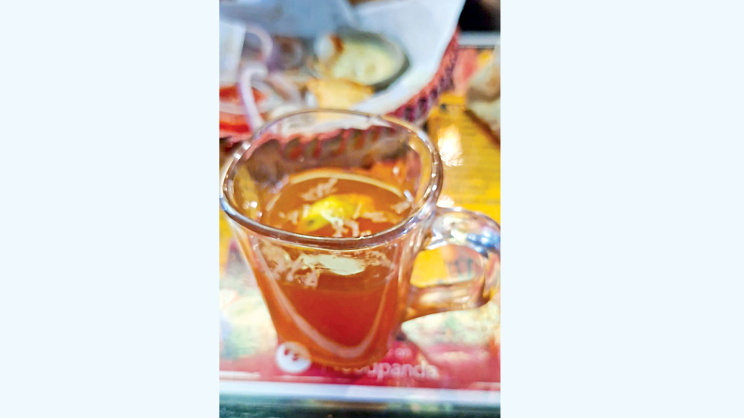
And then there were the tea vendors. I met this boy from Barishal -- his name sounded like Tipu, though it was hard to catch over the chatter -- and he makes milk tea that’s nothing short of brilliant. The brew was perfect: not cloyingly sweet, not watery or weak, just that golden balance that makes you want another cup before you’ve even finished the first. He told me with a smile, “Apa, I’m doing fine, by the grace of God.” And you could tell he meant it -- selling 400 cups a day, plus biscuits and little snacks, his stall was thriving.
This stretch is pure snack‑zone culture. Heavy meals are rare; only one shop dares to serve them. The rest stick to quick bites -- fried rice bowls at just 100 takas, perfectly tuned to student budgets. It’s a carnival of small plates, laughter, and steam rising from tea glasses.
By the time evening rolled in, Ghatpar behind North South University was electric. Loud Hindi dance mashups blasted from speakers; every bench, stool, and table crammed with students. The air was so charged it made you wonder if these kids were simply high on life -- laughing, swaying, spilling stories of classes and crushes into the night.
And I loved the vibe a heady mix of sound, colour, and chaos. It wasn’t just about eating—it was about belonging. A slice of Dhaka’s youth life, stitched together by vendors and students, each cup of tea and each fried snack adding to the rhythm of the evening.
It struck me how much the NSU crowd sustains these vendors -- the lifeblood of this backstreet economy. Many of these vendors arrive from far‑flung districts, some even juggling studies while running stalls. They fry shingaras to order, serve samosas, chips, fizzy drinks, and keep the lanes alive with energy.
Campuses always give off this kind of welcome, a sense of belonging without conditions. It’s a reminder that some places aren’t just locations or just food; it’s camaraderie, students mingling freely, pulling strangers into their circles, proving that Ghatpar is more than a location; it’s a living mood, a new Hakim Chattar where Dhaka’s youth culture thrives.
Now, about the name. Vatara is the spelling you’ll see on official signs, Bhatara is the way locals say it, the phonetic spelling that pops up on maps, and in everyday chatter. And Bhatara isn’t just a neighbourhood -- it’s a gateway. The 300‑foot Purbachal Expressway begins only minutes away at Kuril/Bhatara, linking straight into Rajuk’s ambitious smart township. It’s the hinge between Dhaka’s polished core and its sprawling eastern future.
 For all latest news, follow The Daily Star's Google News channel.
Comments