


Popular weight-loss drugs linked to higher anaesthesia risk
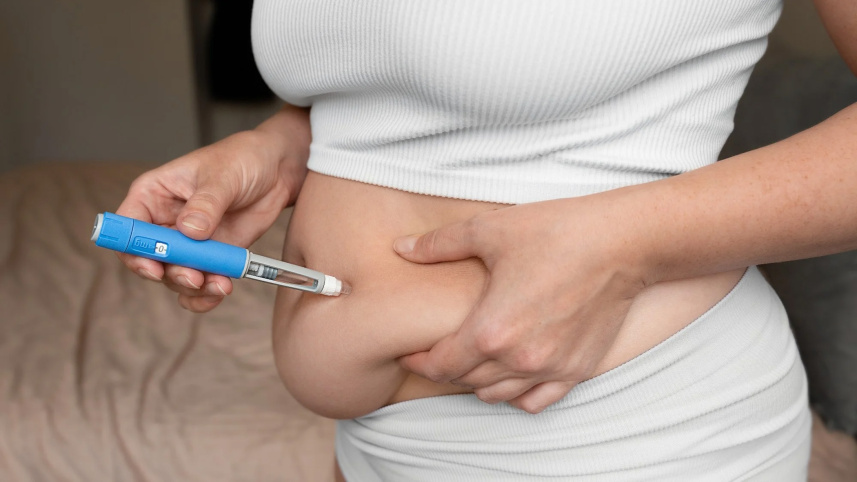
Semaglutide, a glucagon-like peptide-1 receptor agonist, or GLP-1 RA, have transformed the treatment of type 2 diabetes and obesity. It helps control blood glucose, reduces appetite and can support weight loss. In recent times, it has created a sensation. However, new research suggests they may also create an important safety concern for patients undergoing anaesthesia.
A large UK study involving more than 47,000 patients found that those taking glucagon-like peptide-1 receptor agonists (GLP-1 RAs) were about 11 times more likely to experience regurgitation or pulmonary aspiration during anaesthesia than patients not taking these medicines. The absolute risk remained small: complications occurred in 1.41 percent of GLP-1 RA users compared with 0.12 percent of non-users.

These drugs slow the emptying of the stomach. This means that even after following standard fasting instructions before surgery, some patients may still have food or fluid remaining in the stomach, increasing the chance of stomach contents coming back up and potentially entering the lungs.
Importantly, the researchers cannot yet prove that GLP-1 medicines themselves caused the increased risk, as obesity and diabetes may also contribute.
The key message is simple: patients taking semaglutide, tirzepatide or similar medicines should always tell their surgeon and anaesthetist before any procedure requiring anaesthesia.
Source: Anaesthesia
 For all latest news, follow The Daily Star's Google News channel.
Comments