


British-Bangladeshis and the question of belonging
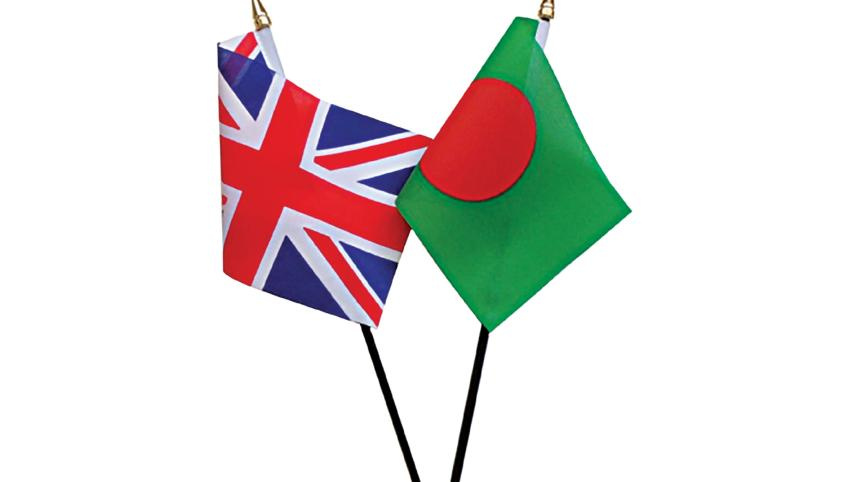
Where do British-Bangladeshis belong? It sounds like a simple question, but it’s not. When Bangladeshi-origin British citizen Humayun Kabir recently became a state minister for foreign affairs in Bangladesh, journalists confronted him with a pointed question: had he legally given up his British citizenship before taking office?
It was a question about one politician. But it exposed something much bigger: for thousands of British-Bangladeshis, citizenship is a legal status; belonging is a lifelong dignity.

Legally, they can belong to both—Britain and Bangladesh—through dual citizenship. Emotionally and socially, however, they can feel fully accepted by neither.
The British-Bangladeshi community has made remarkable contributions to Britain. They have built businesses, entered professional careers, and served in public life. Yet many still experience a persistent sense of being treated as outsiders. They may have grown up speaking English, attended British schools, worked in British institutions, and regarded London as home. But their surname, skin colour, religion, and family background still marked them as different.
British citizenship, therefore, does not always guarantee unquestioned Britishness.
The rise of anti-immigration sentiment has further deepened this insecurity. Home Secretary Shabana Mahmood’s hard-line immigration policies have narrowed routes to settlement through work, asylum, study, and family visas. The skilled worker salary threshold now stands at £41,700, while the minimum income requirement for a spouse visa is £29,000—barriers many simply cannot meet.
Following an unusual surge in students seeking asylum, the government introduced an unprecedented Denmark-style temporary protection model in March 2026. Under the new system, refugees receive temporary protection but can be required to return once their home countries are deemed safe. The policy is particularly significant for Bangladesh, now among the UK’s top six asylum-seeking nationalities. In this unwelcoming atmosphere, British-Bangladeshis’ economic value may be judged through the lens of utility: valuable when their labour is needed, but less accepted as equal members of society.
Employers may see them primarily as a source of low-cost labour. Some sections of the working-class may regard them as competitors for jobs and opportunities. Others may value them as a dependable workforce sustaining essential sectors such as hospitality, care, construction, and the rapidly expanding delivery economy. British enough to contribute, but not always British enough to belong. Yet British-Bangladeshis cannot call Bangladesh their home either.
They may be welcomed as Bangladeshis, but their accent, mannerisms, clothes, expectations, wealth, relationships, or limited familiarity with everyday life can quickly identify them as people from abroad, popularly known as “Probashi”. They send money to Bangladesh, support relatives, invest in their ancestral communities, and maintain close family ties. But for most, Bangladesh is somewhere to visit, not somewhere to live permanently.
There are more than 650,000 British-Bangladeshis in England and Wales alone. Around 90 percent of British-Bangladeshis trace their roots to Sylhet, and the majority live in London. The first generation arrived in significant numbers from the 1950s onwards with a clear objective: work hard, save money, and assemble something for the families. They bought land and built big houses in their ancestral villages, primarily for their parents, siblings, and extended families. Once those needs were met, many began investing in Sylhet city—building homes, buying shops, and acquiring property they believed would secure the future of their children and grandchildren. But time has changed the meaning of that wealth.
Many first-generation migrants are no longer alive. Their descendants are growing up further detached from the country their ancestors came from, even as their families still own substantial land, houses, shops, and other property. There is an irony here. Wealth accumulated to secure the future of children has, decades later, become a source of family disputes over inheritance. But the problem is bigger than money, land, or property. A deeper generational dilemma is unfolding. The first generation built wealth through migration, hard work, sacrifice, and years of remittances. The next generation often lacks the emotional attachment, practical knowledge, or financial incentives to preserve what they inherited. A huge house in a village built by earlier generations may represent enormous wealth and extraordinary prosperity. But if nobody lives there permanently, it can become a maintenance liability, rather than a productive asset, for the next. This is one of the strangest puzzles of the Sylheti-Londoni story: while grandparents accumulated fortunes—lavish houses, prime land, and substantial property—in Sylhet, their grandchildren live ordinary lives in London, relying on welfare benefits, despite inheriting magnificent assets. Therefore, the first generation’s wealth has little practical meaning for the fourth.
Perhaps the deepest contradiction is identity itself. Many Sylheti-Londonis, I know, have built successful and comfortable lives in Britain. Yet their emotional connection to Bangladesh remains extraordinarily strong. They maintain ties through family, faith, culture, remittances, investments, and regular visits. At the same time, they have raised families, built businesses, paid taxes, and contributed to British society. And still, their identity can be questioned in both countries. In Britain, they may still be treated as migrants. In Bangladesh, they are Probashi. In Britain, they would be asked where they are “originally” from. And in Bangladesh, they are often asked when they are going back to Britain. They can be British when Britain needs their contribution and Bangladeshi when their loyalty, money, and family ties are valued. But when it comes to full inclusion, the answer is often less certain.
Possibly, that is why the controversy surrounding Humayun Kabir matters beyond one politician. The questioning of his citizenship status by journalists touches a deeper reality facing many British-Bangladeshis. They may hold citizenship, own property, and maintain deep connections with both Britain and Bangladesh. Yet, many can still feel that they truly belong nowhere.
Ismail Ali is a London-based columnist specialising in current affairs and development issues.
Views expressed in this article are the author's own.
Follow The Daily Star Opinion on Facebook for the latest opinions, commentaries, and analyses by experts and professionals. To contribute your article or letter to The Daily Star Opinion, see our guidelines for submission.
 For all latest news, follow The Daily Star's Google News channel.
Comments