What Malaysia’s Rohingya repatriation plan means for Bangladesh

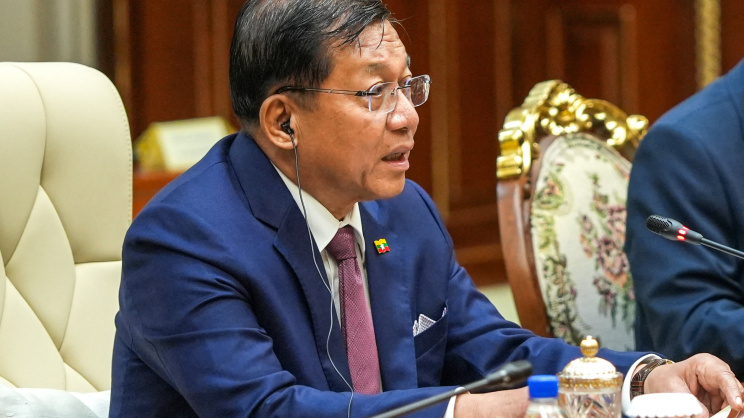
Malaysia's decision to invite Myanmar's President Min Aung Hlaing to Kuala Lumpur, as part of an effort to accelerate the repatriation of Rohingya refugees, raises a question that extends well beyond the bilateral relationship between the two neighbouring Southeast Asian states: can repatriation properly be regarded as a solution when the conditions that compelled people to flee remain fundamentally unresolved? Malaysian Prime Minister Anwar Ibrahim has indicated that he is prepared to invite Min Aung Hlaing for an official visit in connection with an arrangement under which Myanmar would receive Rohingya refugees in stages. Malaysia states that Myanmar has initially agreed to receive 5,000 people, with the first group expected to return later this month.
Reuters has reported that Malaysia currently hosts approximately 193,800 refugees from Myanmar, while UNHCR's February 2026 figures record 126,144 Rohingya among Malaysia's registered refugee and asylum seeker population. The Malaysian government's position is understandable in one respect: no country can reasonably be expected to manage a protracted refugee situation indefinitely without addressing the underlying political crisis that produced it. Yet the diplomatic convenience of identifying an authority willing to receive refugees cannot substitute for the legal and practical conditions required for a safe, voluntary and dignified return. For the Rohingya, the central question is not merely whether Myanmar is willing to receive them.
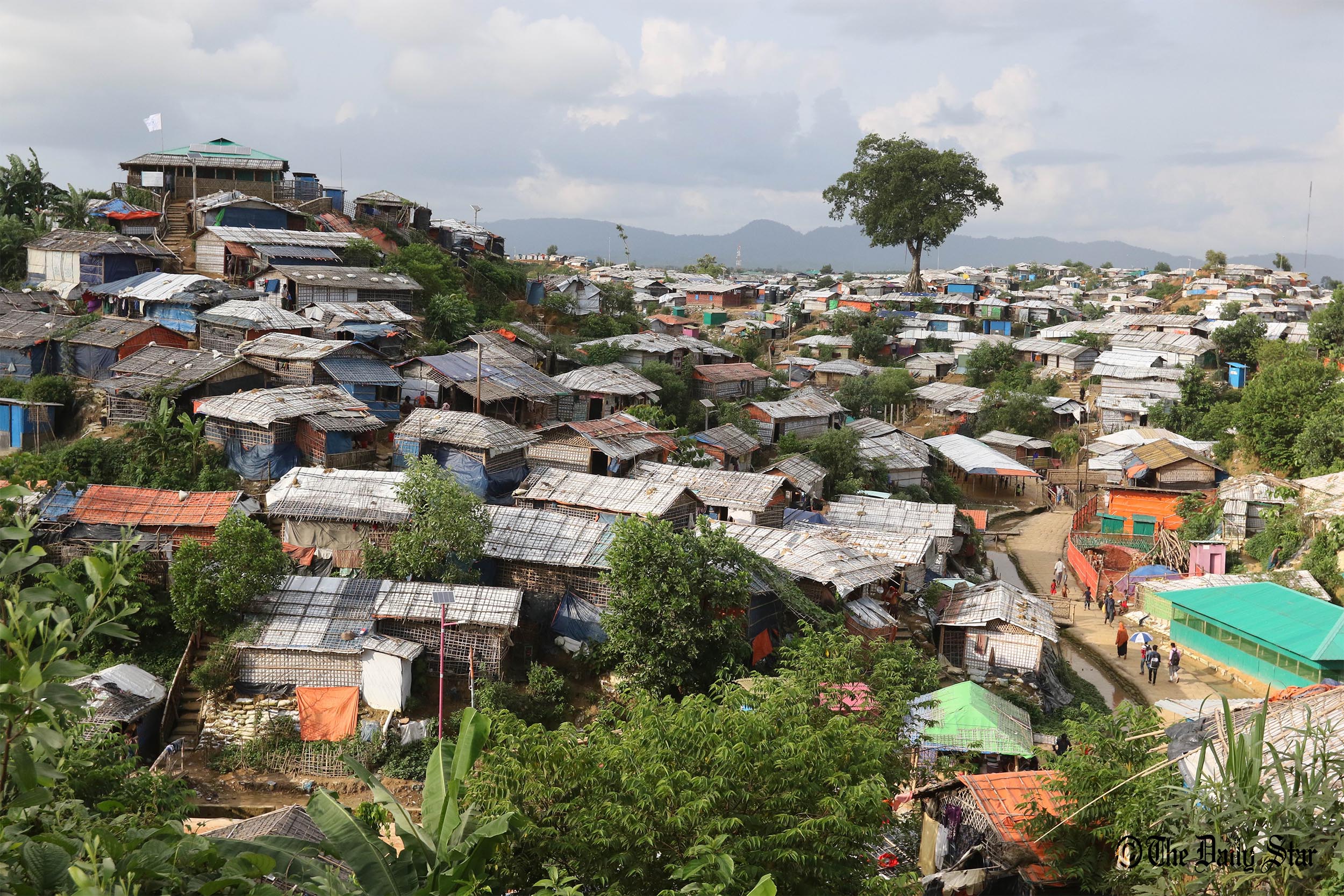
It is whether Myanmar will accept them as people possessing enforceable rights, citizenship, security, freedom of movement and a genuine place within the country's political and social order. This distinction is of critical importance because repatriation is not simply the physical transfer of people from one country to another; it is a protection process governed by established principles of international law. Foremost among these is the principle of non-refoulement, which holds that a person must not be returned to a place where they face persecution, torture, serious human rights violations or other grave threats to life and freedom. UNHCR considers non-refoulement to be a norm of customary international law, binding on all states regardless of whether they have formally acceded to the 1951 Refugee Convention or its 1967 Protocol.
Accordingly, the absence of treaty membership cannot in itself absolve a state of this protection obligation. The question, therefore, is not whether Malaysia is entitled to discuss repatriation with Myanmar; states retain a legitimate interest in managing migration and refugee populations. Rather, the question is whether any return process is designed and implemented in a manner consistent with protection against refoulement. UNHCR has already stated that it was not involved in Malaysia's planned repatriation programme and warned in September that Myanmar remains unsafe for return. This warning ought not to be treated as a mere technical obstacle to diplomacy; it goes to the heart of whether the proposed process can satisfy even the minimum requirements of refugee protection.
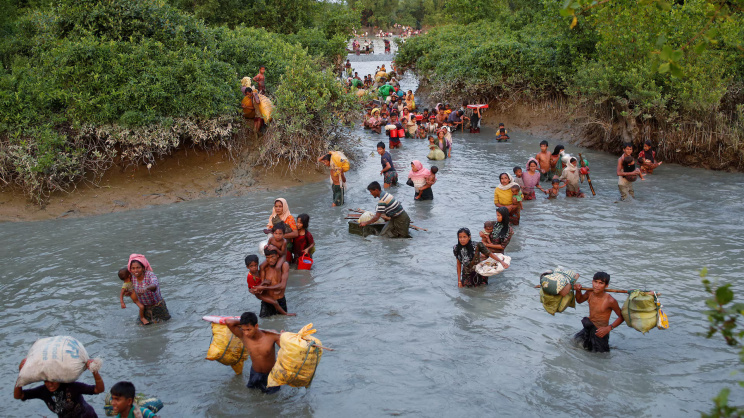
The term "voluntary" likewise demands far greater scrutiny than it typically receives in political discourse. A return does not become genuinely voluntary simply because a government describes it as such. For a refugee, voluntariness presupposes an informed and meaningful choice. Where individuals live under conditions of detention, fear, homelessness, legal insecurity, restricted employment or sustained political pressure, the absence of overt physical force does not, by itself, establish that a decision to return is free and informed. A credible voluntary repatriation process must therefore enable individuals to understand the security situation in their place of return, the legal status they will hold, the conditions of housing and livelihood available to them, their prospective access to education and healthcare, and the remedies available to them should their rights be violated.
It must equally permit individuals to decline return without penalty or coercion. This is especially pertinent for the Rohingya, whose displacement cannot be attributed merely to transient insecurity but is deeply bound up with long-standing questions of citizenship, legal recognition, discrimination and political exclusion. Returning people without resolving these underlying questions risks reproducing the very conditions that rendered their return unsafe in the first place. It is here that Myanmar's citizenship regime becomes central to the discussion. Prime Minister Anwar himself identified the fundamental difficulty when he asked, in substance, where Rohingya lacking Myanmar citizenship could ultimately be sent. That question ought to remain at the centre of every repatriation discussion.
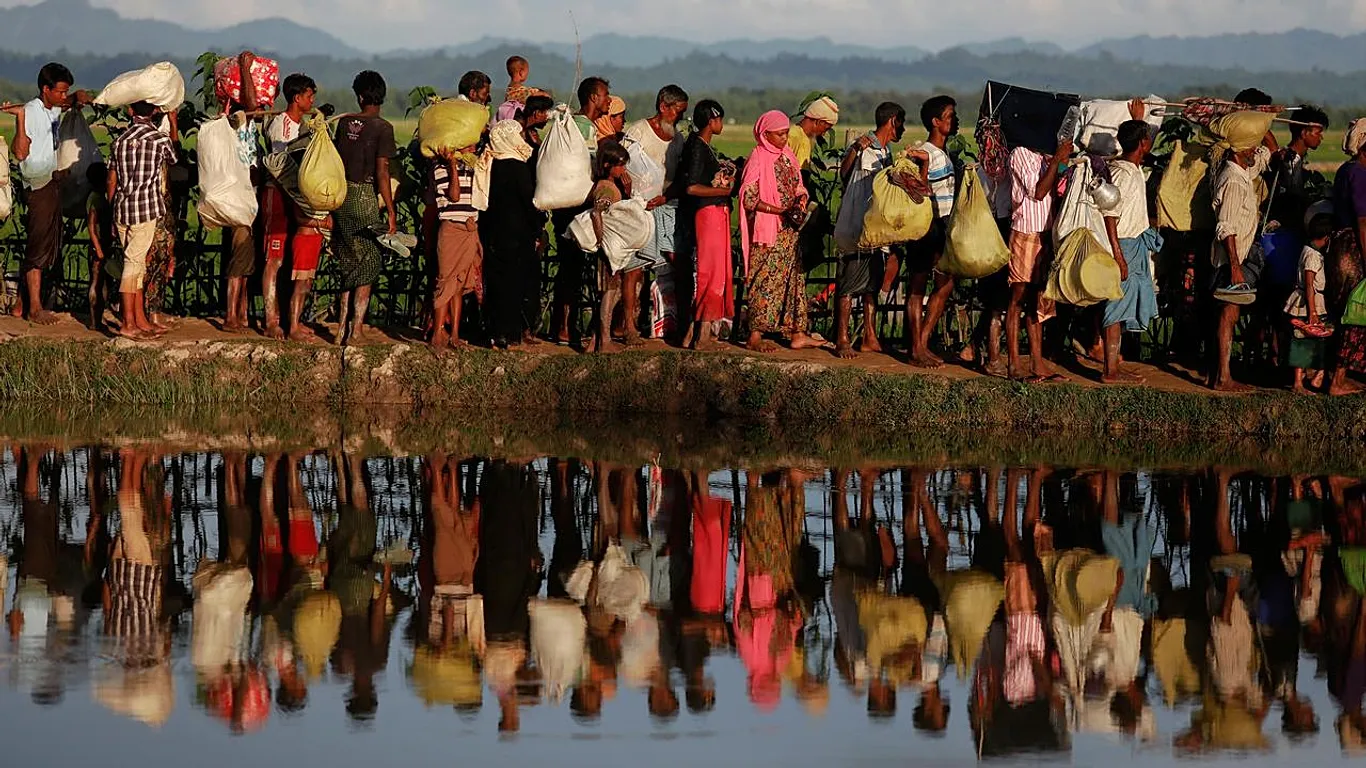
For decades, the Rohingya have been excluded from Myanmar's citizenship framework, most consequentially following the enactment and implementation of the 1982 Citizenship Law. A repatriation programme that treats the Rohingya primarily as a population to be transported across a border, without simultaneously resolving their legal status, risks turning displacement into a recurring cycle rather than a lasting solution. A person cannot meaningfully be said to have been "returned home" to a state that refuses to recognise that person's citizenship, legal identity or equal rights. Repatriation must therefore be explicitly linked to citizenship and legal status guarantees that are clear, enforceable and independently verifiable.
Absent such guarantees, the international community risks measuring success by the number of people transported rather than by whether those people are able to live safely and equally thereafter. The prevailing security environment compounds this difficulty considerably. Myanmar continues to experience a profound armed conflict, while the situation in Rakhine State is particularly complex owing to the fragmentation of authority and territorial control. Any serious repatriation plan must therefore examine not only the assurances offered by the central government, but also which actors exercise effective control over the areas to which returnees would be sent, who controls roads and border crossings, who provides policing and security, and what mechanisms exist to protect returnees from armed actors, local authorities and other forms of violence.
A diplomatic agreement concluded in a capital city cannot, by itself, create security on the ground. Repatriation should accordingly be assessed on the basis of actual conditions rather than political declarations. Should the security situation deteriorate rapidly, the programme must retain the capacity to suspend returns. If violence intensifies in an area designated for return, individuals should not be sent there merely because a bilateral agreement has already been concluded. Protection must remain the governing principle throughout the process. There is also a wider geopolitical dimension to Malaysia's initiative. ASEAN has, for several years, sought to respond to Myanmar's crisis through the Five Point Consensus, which calls for an immediate cessation of violence, constructive dialogue, humanitarian assistance and engagement with relevant stakeholders.
ASEAN's own statements have repeatedly expressed concern over continuing violence, humanitarian deterioration and the lack of substantive progress in implementing the Consensus. Malaysia has simultaneously sought to maintain diplomatic engagement while voicing concern about the conflict. An invitation extended to Min Aung Hlaing therefore represents more than a bilateral meeting; it may come to form part of a broader regional pattern in which ASEAN governments increasingly engage Myanmar's military authorities in pursuit of practical objectives. Engagement, in itself, is not necessarily incompatible with sound diplomacy, which often requires dialogue with actors whose conduct governments strongly oppose. The pertinent question, therefore, concerns the conditions that accompany such engagement.

Where dialogue is employed to secure humanitarian access, reduce violence, establish accountability mechanisms and create conditions conducive to safe return, it may serve a constructive purpose. Where refugee repatriation instead becomes the principal political incentive for normalising relations, without corresponding guarantees for refugee rights, the regional diplomatic process risks placing the burden of Myanmar's unresolved political crisis upon the displaced population itself. This concern is particularly acute because the Rohingya ought not to become instruments of regional diplomacy. Refugees are human beings possessed of rights, not bargaining tools through which governments can demonstrate diplomatic achievement. A government may legitimately seek to address the financial, social and political pressures associated with hosting a large refugee population, but such pressures do not diminish the rights of the refugees themselves.
Malaysia's registered refugee population includes individuals from Myanmar as well as from other countries, and UNHCR records more than 215,000 refugees and asylum seekers registered in Malaysia as of February 2026. The Malaysian government also faces legitimate domestic concerns regarding immigration, public resources and social tensions, all of which merit political attention. The response to such concerns, however, should not reduce refugees to a mere burden without acknowledging their human rights, their economic contributions and the vulnerabilities arising from limited legal protection. Refugees who work in Malaysia contribute to significant sectors of the economy even as they remain exposed to exploitation, insecurity and constrained access to formal rights and protections.
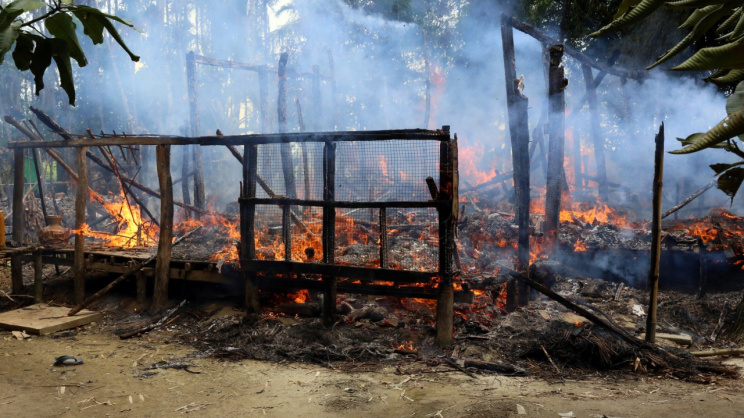
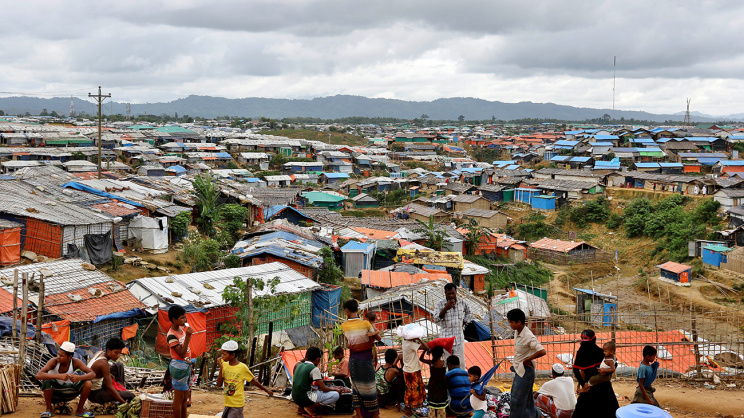
A responsible refugee policy should address the concerns of host communities alongside the rights and contributions of refugees, rather than presenting the two as mutually exclusive. For Bangladesh, which continues to host more than one million Rohingya refugees, Malaysia's approach carries significant implications. Bangladesh has consistently supported the principle of safe, voluntary and dignified repatriation, while maintaining that conditions inside Myanmar must permit refugees to return securely. The experience of the Rohingya refugee crisis demonstrates why the number of people crossing a border cannot serve as the principal measure of success; the true objective must be sustainable return. Should refugees be returned without citizenship, security, housing, property rights and meaningful access to public institutions, there is a serious risk that displacement will simply assume another form, rather than coming to a sustainable end.
Bangladesh cannot be expected to bear this burden indefinitely, yet neither Bangladesh nor the wider international community can responsibly resolve the crisis by transferring people from one insecure environment to another. A sustainable solution requires sustained pressure upon Myanmar to address the political and legal causes of displacement, together with greater international support for host countries that provide refugee protection and humanitarian assistance. The regional security implications of this issue also merit closer attention. Forced or premature return does not necessarily reduce instability. Where individuals are returned to areas in which they lack legal protection, employment, housing or security, they may become displaced anew, attempt secondary migration, or become vulnerable to trafficking, exploitation and recruitment by armed groups.
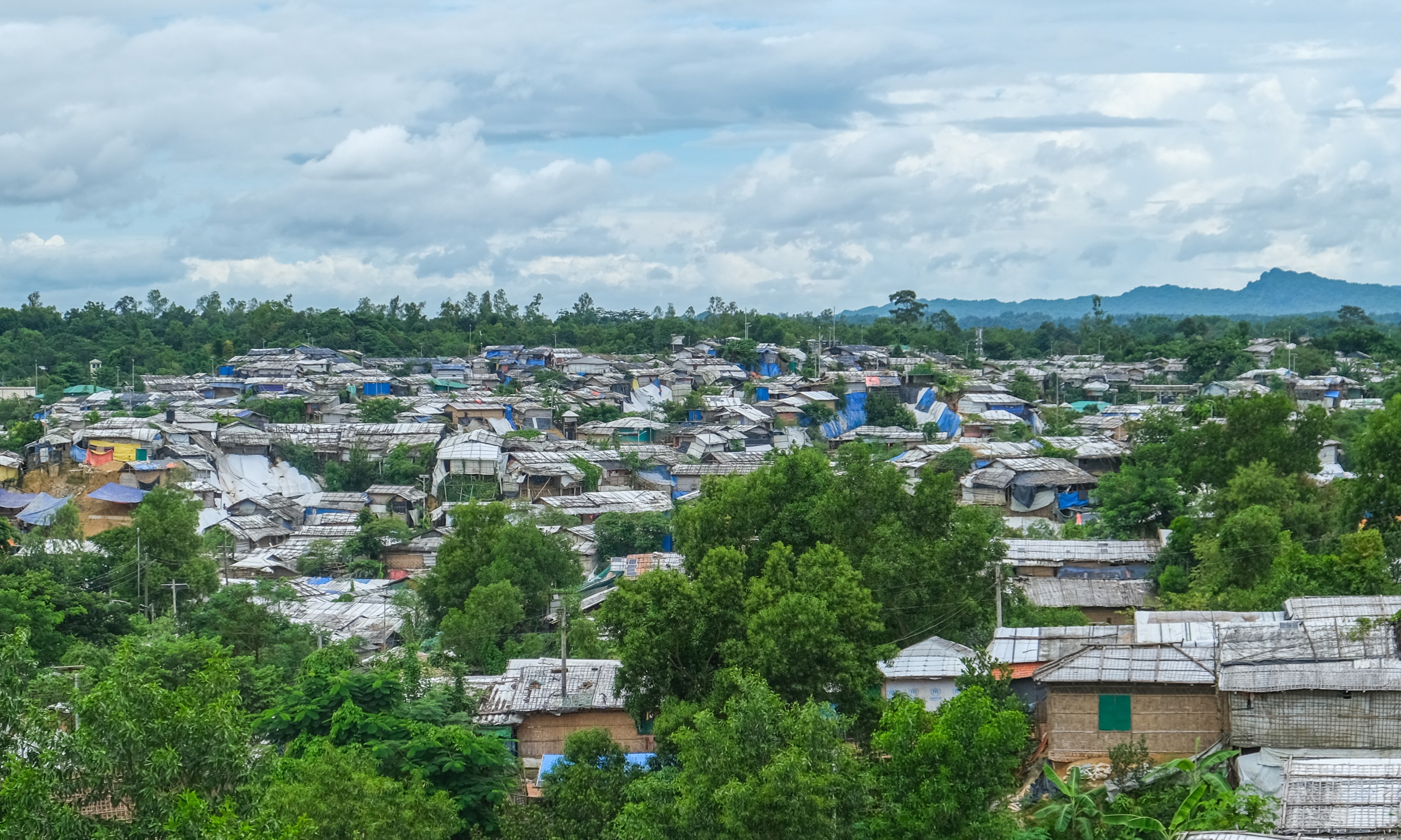
Repeated displacement can deepen insecurity along borders and maritime routes and generate fresh humanitarian pressures for neighbouring states. The Rohingya crisis is therefore not a humanitarian issue alone; it is equally a regional security issue, encompassing border management, organised crime, irregular migration, human trafficking, maritime security and political instability. A genuinely strategic approach would recognise that refugee protection and regional security are not competing objectives. In many circumstances, protecting individuals from forced or unsafe return is itself a component of regional stability. Malaysia's proposed engagement should therefore be assessed not by the symbolism of a presidential visit, but by the conditions attached to it.
Should Kuala Lumpur wish to employ diplomacy to advance repatriation, it has an opportunity to establish a considerably stronger regional standard: any return arrangement should require independently verifiable guarantees of physical security, legal identity and citizenship, freedom of movement, access to education and healthcare, adequate housing, the restoration of or compensation for property, freedom from discrimination, and meaningful access to justice. There should also be independent monitoring before, during and after return, together with the capacity to suspend the process should conditions deteriorate. Above all, the decision to return must remain with the individual refugee. Diplomatic assurances alone should not be treated as a substitute for an objective assessment of conditions on the ground; UNHCR's legal guidance specifically emphasises that diplomatic assurances do not relieve a state of its non-refoulement obligations where a person faces relevant risks.
There is a broader lesson here for ASEAN as well. The region cannot simultaneously characterise Myanmar's crisis as a threat to peace and stability while allowing the consequences of that crisis to be borne primarily by the displaced population. ASEAN's Five Point Consensus identifies the cessation of violence, dialogue and humanitarian assistance as central components of its response. Refugee repatriation should therefore be integrated into that broader political framework, rather than treated as a separate administrative exercise. Should ASEAN wish to demonstrate genuine regional leadership, it ought to develop a common protection framework for returns, insist upon independent monitoring, engage all relevant stakeholders, and ensure that any repatriation process remains consistent with international refugee and human rights standards.
Malaysia, as a prominent ASEAN member and a country that has played a visible diplomatic role in relation to Myanmar, is well placed to contribute to such a framework. The credibility of that role, however, will depend upon whether humanitarian protection remains at the centre of its diplomacy. The Rohingya do not oppose diplomacy, nor do they oppose dialogue between Malaysia and Myanmar or the prospect of eventually returning home. What they have consistently demanded is the possibility of returning with safety, dignity, rights and recognition. There is an important distinction between returning people to a geographic location and restoring them to a home. A geographic return can be accomplished through ships, buses, registration lists and border crossings.
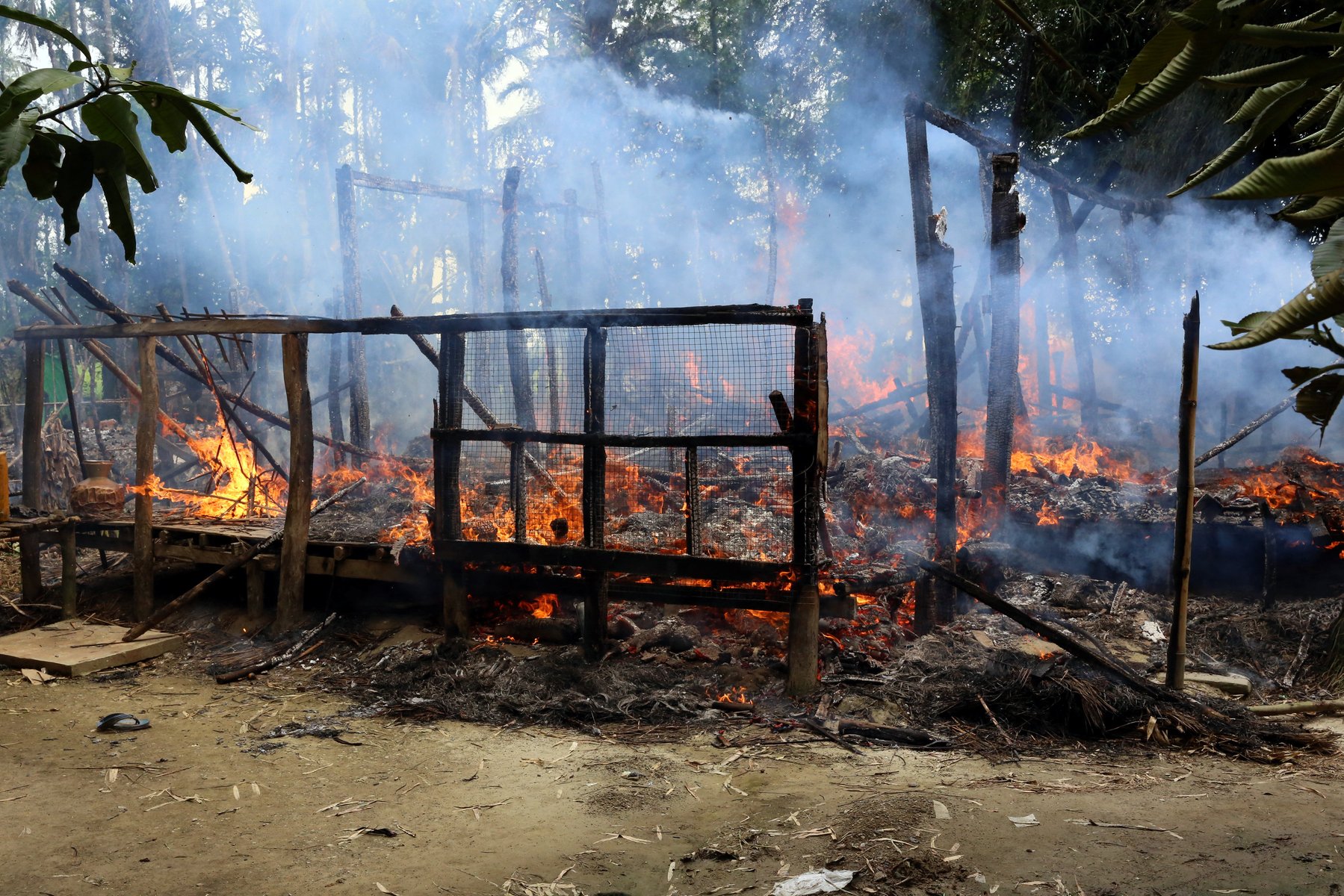
A genuine return requires something considerably more substantial: citizenship or an equally secure legal status, physical protection, freedom from persecution, access to basic services, restoration of property and livelihoods, and recognition as equal members of society. Absent these elements, repatriation risks becoming a logistical achievement without becoming a meaningful human solution. Malaysia therefore has an opportunity to demonstrate that diplomacy and refugee protection can reinforce, rather than undermine, one another. Engaging Myanmar's authorities does not require abandoning international legal principles, just as withholding premature recognition does not require withholding dialogue. The most constructive path forward is to make diplomacy conditional upon measurable protection outcomes.
If Myanmar wishes for the return of Rohingya refugees, it should demonstrate that those refugees will return not merely as displaced people received at the border, but as rights-bearing individuals whose citizenship, security and dignity are guaranteed. If Malaysia wishes to reduce its refugee burden, it should pursue solutions that are sustainable rather than merely immediate. And if ASEAN wishes to preserve its credibility as a regional institution committed to peace and stability, it must ensure that the pursuit of diplomatic progress does not come at the expense of those who have already paid the highest price for Myanmar's crisis.
A diplomatic handshake can open a door to dialogue, but it cannot, by itself, make Myanmar safe for the Rohingya. The true measure of successful diplomacy will not lie in the number of refugees returned, the number of agreements signed, or the number of leaders who meet. It will lie in whether a Rohingya family can cross the border and finally live without fear of persecution, without uncertainty over citizenship, without the threat of renewed displacement, and with the same fundamental rights that any human being ought to possess. Until such conditions exist, repatriation should remain a carefully assessed protection process rather than a political deadline. The Rohingya require a way home, but that home must be safe, lawful, dignified and genuinely theirs.
Mohammed Siraj is a Rohingya multidisciplinary researcher, human rights advocate, aspiring legal scholar, and Founder and President of the International Institute for Law and Politics (IILP).
Send your articles for Slow Reads to slowreads@thedailystar.net. Check out our submission guidelines for details.
Why Bangladesh must reconsider its trade agreement with the US

The Indo-Pacific at a crossroads: What it means for Bangladesh
Could the Teesta redraw the map of India-Bangladesh diplomacy?

Iran’s China moment? From isolation to regional hegemony
Makkah Pact: The geopolitics beyond Islamic solidarity
Myanmar’s deteriorating crisis and the political future of the Rohingya

Bangladesh between India and China: The dilemma of defence diversification

What Bangladesh should ask before joining the Makkah Pact

Nepal’s difficult passage: Political change meets ecological crisis