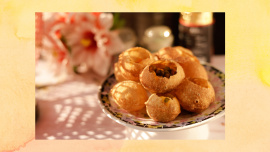
The taste of childhood: Bengali food, family and memory

Childhood memories were bound up with cooking scents, strains of music and dance steps. Tunes that played over and over in one’s head and, when heard later, were evocative of a place, a feeling or an event long forgotten. They spoke of the lives that had peopled our journeys and the cultures that had shaped us.
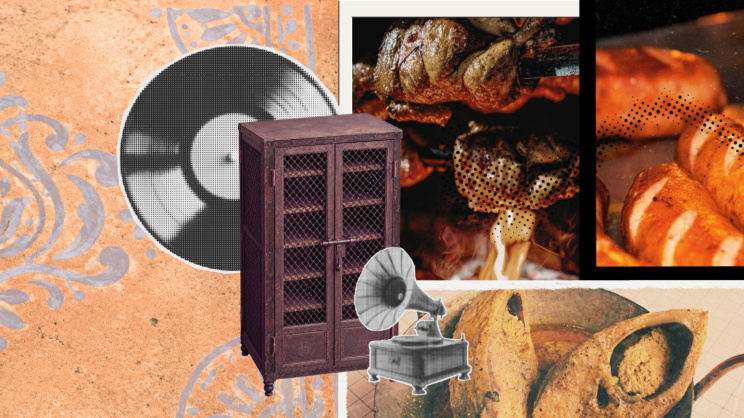
Whenever the trusty His Master’s Voice gramophone was played, I would fall in step with whichever song was playing. I had some favourites, of course, which invariably had a quick tempo and a rhythmic pace.
And later, when I formally began learning dance, the rhythmic patterns played over and over in my head while I rehearsed the gestures in front of the mirror.
My favourite scents came from my grandmother’s kitchen. There was always something slow-cooking on the stovetop or sometimes on the chulah or unun (in Bengali, a traditional clay burner fired with wood and coking coal). There was a large green cupboard which was too high for me to reach, but which I saw open on rare occasions, and which was filled with canisters and crocks containing spices and condiments, and large glass jars or boyams filled with pickles and murrabbas (conserves) of mangoes, bel (wood apple), olives, kul (Indian jujube) and other things whose names I did not know, but whose scents imbued my childhood.
Summer holiday visits to Kolkata involved trips to hole-in-the-wall shops in Park Circus where beef rolls were savoured.
There was also a meat safe (or jaal deraj, literally a filigreed cupboard which let in air and kept things cool and safe from insects, moths and midges) in a cooler part of the kitchen. It stored cooked dishes which we sometimes raided, and the dish intended for the evening meal might have been considerably reduced by dinnertime.
Then my grandmother would proceed to fry crisp, golden luchis (deep-fried bread), maida (refined flour) ones for us and a single atta (whole-wheat flour) one for herself.
We ate them with the dish of the day and rounded off the meal with a fluffy one stuffed with sugar. It was the best dessert I have ever tasted.
Mastering the murighanta and crispy lobster heads
When I started taking an interest in cooking, she taught me her special fish-head daal, or lentils (the dish is called murighanta in some parts of Bengal). It was a relatively uncomplicated dish, but the devil was in the minutest details. The tempering, the frying until the right colour was reached, neither too much nor too little, the spices that had to be adjusted just so, and the sweet and salt that had to be perfectly balanced. It was all a matter of perfecting one’s timing, which was the toughest thing for me in the end, as I never achieved that perfect balance of flavours that she did. She was also very particular about the quality of the ingredients that went into her dishes.
The large-sized katla (carp) fish head had to be fried in mustard oil until slightly reddish. Alongside it were added whole garam masala, thinly sliced onion, ginger and garlic. Once the fish head started browning, it was broken up into smaller bits in the frying pan. When nicely browned, the daal was added. It was always sona moong daal, lightly browned over dry heat and washed well. To the mixture were added salt and sugar to taste, turmeric, bay leaves and a one-inch piece of ginger. When it came to a boil and was almost cooked through, the tarka, or tempering, was added; ghee was heated, and to that were added kala jeera (black cumin) or panch phoron (five spices), dried red chillies to taste and bay leaves, all of which were lightly toasted and added to the daal.
The dish looked golden and glistening, with nicely browned pieces of the fish head peeking out. It was a rich, hearty brew to be eaten with hot steamed rice, either parboiled or boiled according to one’s taste.
I also learnt from her the delicate art of frying lobster heads, a delicacy peculiar to East Bengal.
First came the business of going to the fish market to pick out the fattest and freshest lobsters (golda chingri), which had to be full of roe, red and oozing.
They were carefully carried home and then cleaned and separated from the fleshy bodies. This was a delicate process, as care had to be taken not to break the shell or spill the roe.
Then they were carefully marinated in lemon juice, the juice of onions and ginger, and a little salt. One could also add a bit of green chilli paste if one wanted it a little fiery.
Frying them in mustard oil with a thin batter of rice flour and a pinch of gram flour was a strategic operation requiring military precision.
And the most satisfying part came when one bit into one; the crunch, followed by the roe oozing into your mouth, was star-spangled heaven.
Exam feasts and the chicken roast
As we grew up and academics and exams started playing a larger role in our lives, my father was particular about the children having protein-rich diets and good food in order to do well in their studies. It was not a rationale commonly heard, but there it was!
Saraswati Puja was also the day when, officially, the kul, or Indian jujube, eating season would begin. The spring fruit was green, crunchy and sweet, with a little seed at its core.
Ergo, my mother began perfecting her chicken-roasting skills on a gas stovetop oven which resembled a piece of equipment straight out of a Tudor kitchen. But it did turn out the most delectable chicken roasts, cakes and puddings.
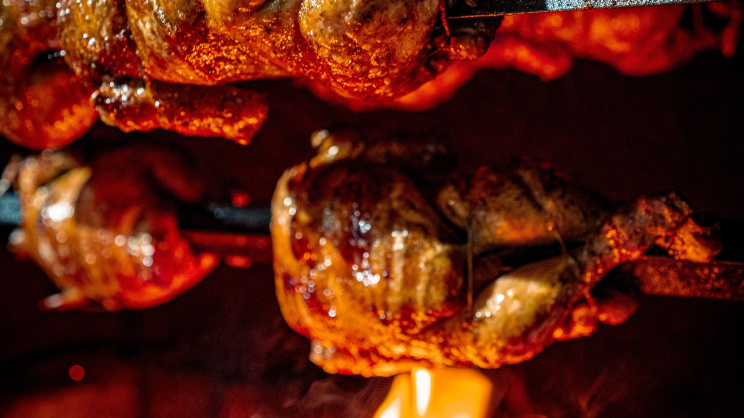
Important exams were marked by the scents of roasting chicken wafting through the house. Small, tender chickens would be procured and marinated for hours with ginger, garlic, onion and garam masala pastes and basted with loads of butter. They would be placed in the oven and painstakingly turned over and over at intervals to ensure even cooking.
The result was the softest, juiciest roasted chickens with crisp exteriors. It almost made one long for exams.
Frankfurters, tangy treats and stovetop sponges in Delhi
Childhood memories were also made of hot dogs in Defence Colony, New Delhi, where every weekend we made a trip to a rooftop restaurant which had bright lights, most attractive to children, and the juiciest frankfurters wrapped in long bread rolls with lashings of butter. They were extremely satisfying with a dollop of local ketchup and were generally the highlight of our week.
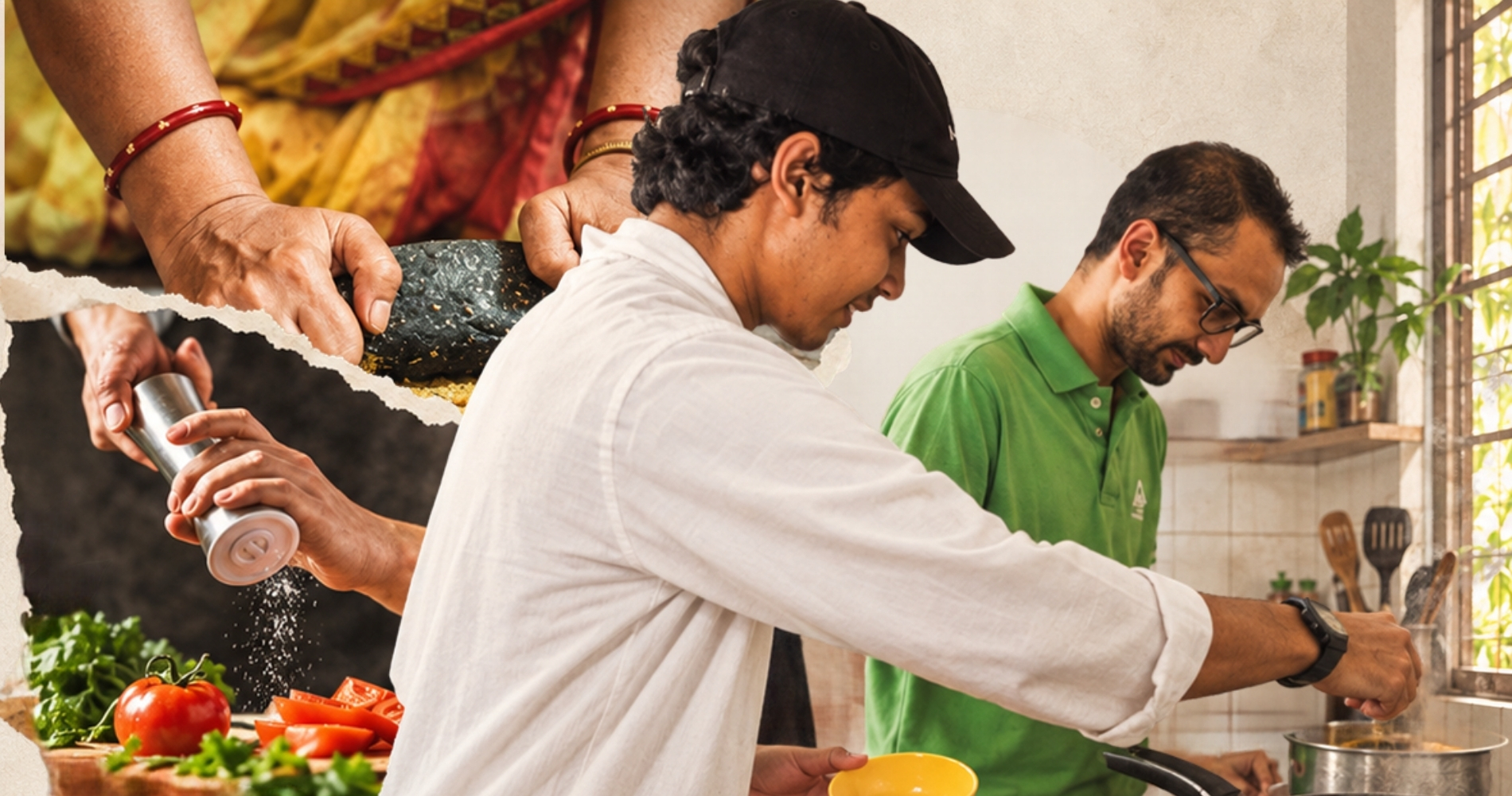
After-school tangy aam papad wrapped in butter paper, and sticky chips and jhal chips outside our school gates near Gole Dak Khana and Gurudwara Bangla Sahib, while we raced to catch the bus home, were the other small pleasures of our school life.
Kwality (still not Walls) orange bars and choco bars were substantial, round and thick, oozing with juice and vanilla ice cream. Coca-Cola was purchased by the crate and did our tooth enamel no good, but we enjoyed it.
Occasionally, Mother and Aunt had baking and confectionery obsessions, during which sponge cake, custards, bread-and-butter puddings and caramel puddings overran our menu for days. The best part was licking our fingers after scraping the cake batter from the bottom of the pan.
The cake batter required generous amounts of butter, eggs, vanilla essence, sugar and flour. Beaten into a fluffy mixture, it was poured into buttered baking pans and very often baked on a stovetop. The cakes were fluffy, soft and buttery, and disappeared in no time. Very often, we would slather the slices with fruit jam or butter before gobbling them up.

A Kolkata Christmas
Summer holiday visits to Kolkata involved trips to hole-in-the-wall shops in Park Circus where beef rolls were savoured. The kebabs were soft, and the parathas they were wrapped in were golden and flaky, with a hint of sweetness.
My mother’s Christmas cakes (the highlight of our winter holidays) were redolent with rum and oozing with candied peels, raisins, prunes and nuts. Months after Christmas, we would be raiding the storage bins and nibbling at plum cake slices through the night. They saw us through many a night of rushed reading before exams, a novel that could not be put down, and small get-togethers with friends over coffee and cola.
It all started three weeks before Christmas. My father would procure the bottles of rum. My mother would make the trip to New Market, armed with her list. The candied fruit peels, black raisins and walnuts would be carefully selected and packed.
At home, the process of chopping them up would begin, with some quantities disappearing on the pretext of tasting.
They would then be soaked in large pans half-filled with rum, covered and left in a cool corner for at least two to three weeks.
Then generous quantities of butter, sugar, flour and eggs would be collected, and the trip to the hole-in-the-wall bakeries of Park Circus would be made.
The efficient bakers there would do the job of beating and mixing the ingredients and pouring them into baking tins lined with butter paper. While we had filter coffee in the neighbouring South Indian restaurant, voilà, the nicely browned, pound-sized fruit cakes, warm and soft, would be ready to be taken home and stored for the winter vacation ahead.
Books, Basant and fried hilsa
Saraswati Pujo, which came soon after, was a memory of a cornucopia of culinary delights. Supposed to be an invocation to the Goddess of Learning, it was remembered by kids more for the food and the one-day holiday from books and studies. The books were devotedly placed beside the pratima (clay idol) of the Goddess in the fervent hope that she would imbue them with good luck and that their contents would automatically replicate themselves on our exam papers!
Saraswati Puja was also the day when, officially, the kul, or Indian jujube, eating season would begin. The spring fruit was green, crunchy and sweet, with a little seed at its core. It was also the day little girls would dress up in yellow sarees, the colour of Basant Panchami, or spring, and rejoice in their youth and finery.
And most importantly, in households like ours, which came from East Bengal, alongside the thakurer bhog (offering to the Goddess) of labra (a mixed dish of seasonal vegetables), beguni (fried aubergine), alu kopir torkari (potato and cauliflower curry) and khichuri (lentil and rice dish), thick pieces of fried ilish were served. The fish came as a jora (a pair, or a duet of hilsa, so to speak). It was redolent with mustard oil, fatty skin and feather-thin, juicy fish bones. As it is not the spawning season, the fish is even tastier and considered appropriate as an offering to the Goddess.
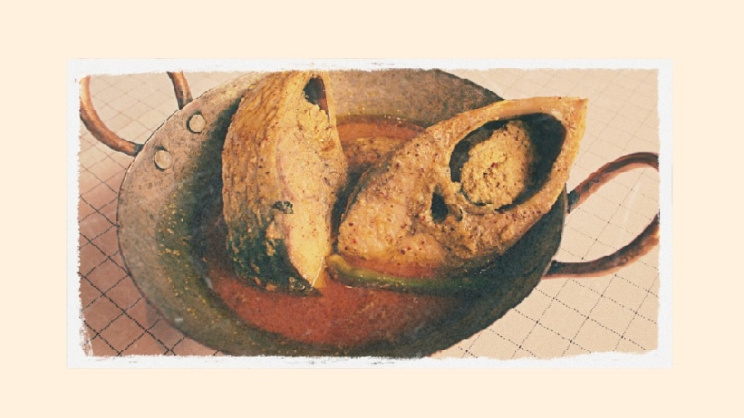
We also saw our father and his friends dressed in traditional Bengali men’s finery of white dhoti and gile (delicately crushed mul) kurtas, pouring themselves a drink or two while the fried ilish kept flowing from the kitchen.
The puja used to be completed early in the morning, when our chief roles were trying to do the alpona (decorations made on the floor of the house with rice paste, denoting prosperity) and making the sandalwood paste. Other tasks, like sorting durba (three-leaved grass considered sacred), picking out loose flowers for the pujo, lighting the incense and preparing the dhunuchi (an incense burner containing frankincense which releases thick, fragrant smoke), which was used for arati (an offering of light to the Goddess signifying the removal of darkness), were also our responsibility.
The curtains of the puja room would be drawn after the pujo, when the Goddess would partake of the elaborate meal served, with all of us waiting impatiently to receive the prasad soon afterwards.
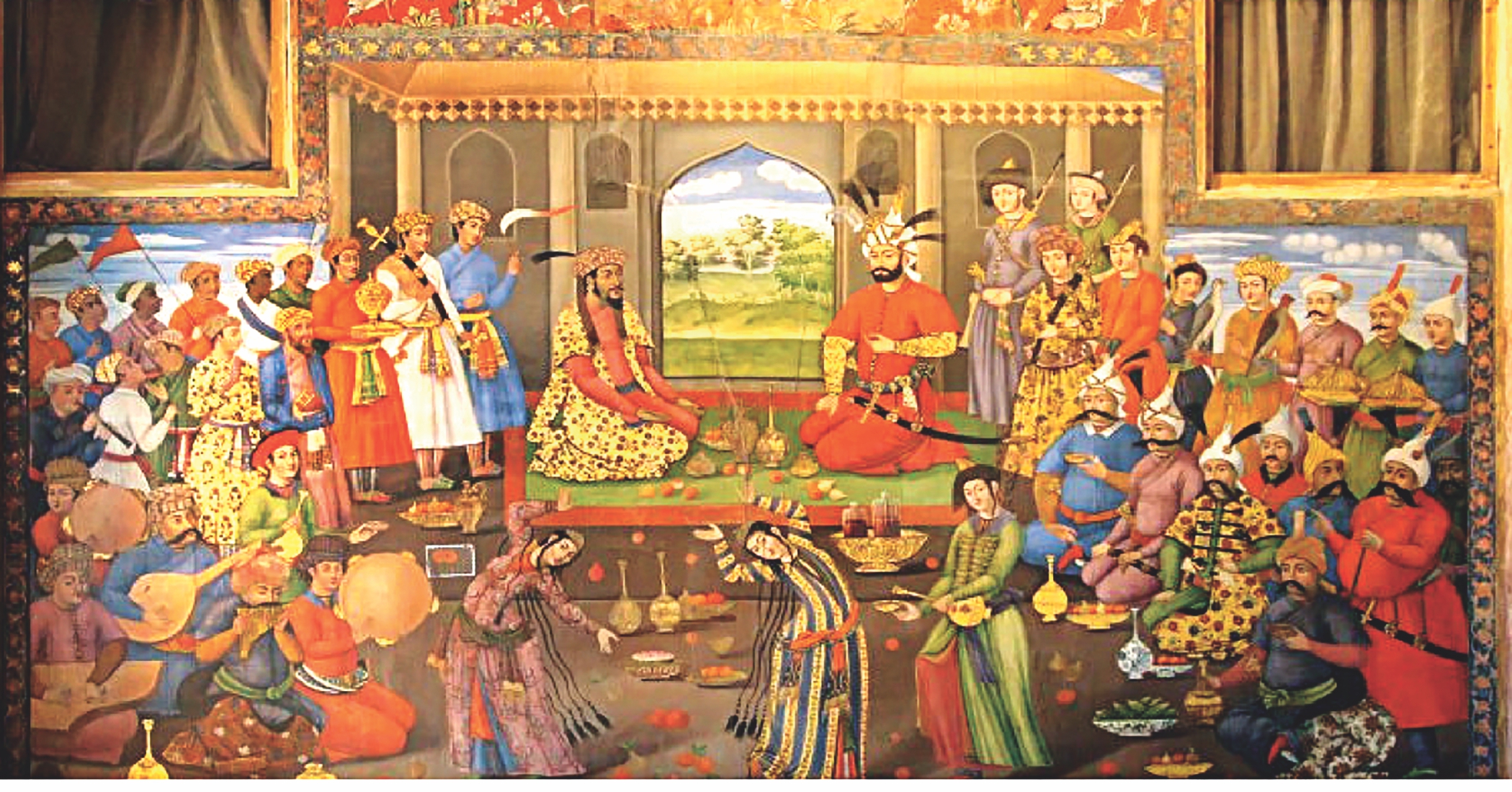
The prasad began with coconut water, fruits and sweets.
The rest would come later, served on banana-leaf platters.
Spring meant the scents of fried drumstick flowers, pumpkin flowers, aubergine fries and the luscious topa kul. Large thalis or kulos (bamboo winnowing trays) of topa kul would already be drying in the sun, getting ready to be made into sweet pickles for the summer season, if they lasted that long!
Summer was redolent with the scent of mangoes: gulabkhas and banganapalli from the south and west, kicking off the season until the much-awaited Bengal favourite, Himsagar, arrived, thin-skinned, juicy, pulpy, sweet and scented. This was followed by the robust langda and then the gentler scents of dussehri and chausa. The season, of course, ended with the large fazli aam, more noted for its flesh than its flavour, though, if one chose well, it was quite useful in making kheer and other sweet dishes. Other fruits like jackfruit, jamun, golap jam and taal shaansh (ice apple) paled next to the mango but were as much a part of the summer season as the king of fruits.
Monsoon was heavy with the scent of taal (palm fruit), taaler bora (fritters made with the pulp) and taaler kheer (rice pudding with palm pulp), which filled our days and stomachs so that very little space was left for anything else. The smell of fritters of all shapes and types imbued the neighbourhood, and hot tea, fritters and omelettes accompanied by the patter of rain outside were an abiding monsoon memory.
Winter brought cricket commentary on the radio or transistor, red apples from Kashmir and small, juicy oranges from Darjeeling. It also brought evenings of cold cuts (ham, sausages and streaky bacon) from Essex Farm when we were in New Delhi and UP Cold Stores in Kolkata. The pound ruti (bread) of Kolkata, either buttered and sprinkled with sugar, dipped in ghugni (white pea curry, spicy and tangy), or made into dim ruti, which translates as egg bread but is actually omelette bread, perked up the mornings. The phulkopir shingara was a winter delight and a Bengal speciality, not to be confused with the North Indian samosa. Thinly flattened dough made from refined flour was stuffed with a lightly spiced mix of cauliflower, green peas and potatoes and deep-fried. It went well with hot lemon tea, or lebu cha, as it is called in Kolkata, with a sprinkle of rock salt, a combination not found anywhere else.
In all of this, I haven’t touched upon Kolkata biriyani, kebabs and nalli nihari, and the crucial part they played in our daily lives. I will need a full chapter to do justice to them.
Bye for now!
Sunita Chowdhurie is a career professional in the corporate sector who had a long stint with the Tata Group. She has always enjoyed writing on the arts and other topics close to her heart. She has occasionally written for The Hindu, The Quint, The Statesman and The Telegraph, among other publications. A trained Bharatanatyam dancer and a former graded artist of Doordarshan, her first love has always been classical dance.
Send your articles for Slow Reads to slowreads@thedailystar.net. Check out our submission guidelines for details.

Along the Kapotaksha, in search of Madhusudan’s river

Where did gold come from?

Do we understand the children we try to teach?

AI is here. Can Bangladesh’s education system adapt?

Why are we in such a hurry to live?

Why I chose teaching over a corporate career

The moral hierarchy of blood

The curious case of Bangladeshi ‘tension’
What can a teacher give that AI cannot?