


‘Why investigate T20 World Cup absence now?’: Asif Nazrul questions
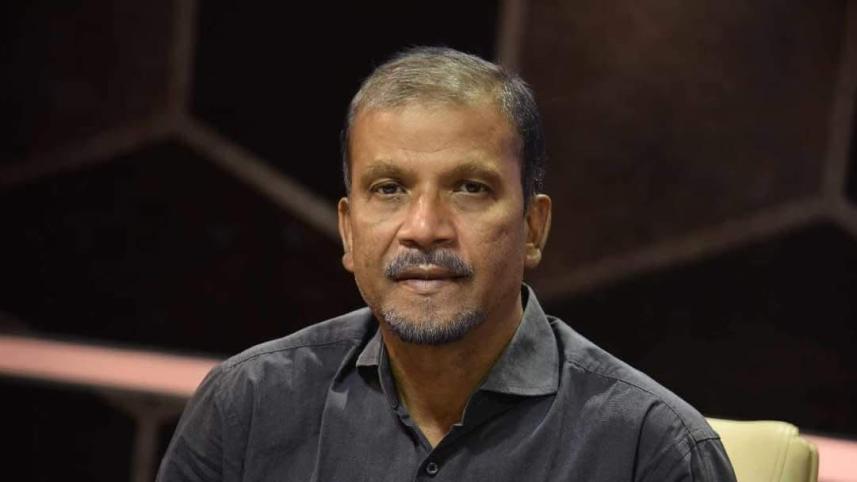
Former sports adviser Dr Asif Nazrul was perplexed as to why Bangladesh’s decision not to travel to India for the 2026 T20 World Cup had to be investigated and the findings published so long after the incident.
The National Sports Council (NSC) formed a three-member probe committee on May 10 to investigate the reasons behind Bangladesh’s absence from the ICC Men’s T20 World Cup, co-hosted by India and Sri Lanka from February 7 to March 8.

According to Barrister Faisal Dastagir, a member of the committee, the probe found that the interim government was responsible for Bangladesh’s non-participation in the global event.
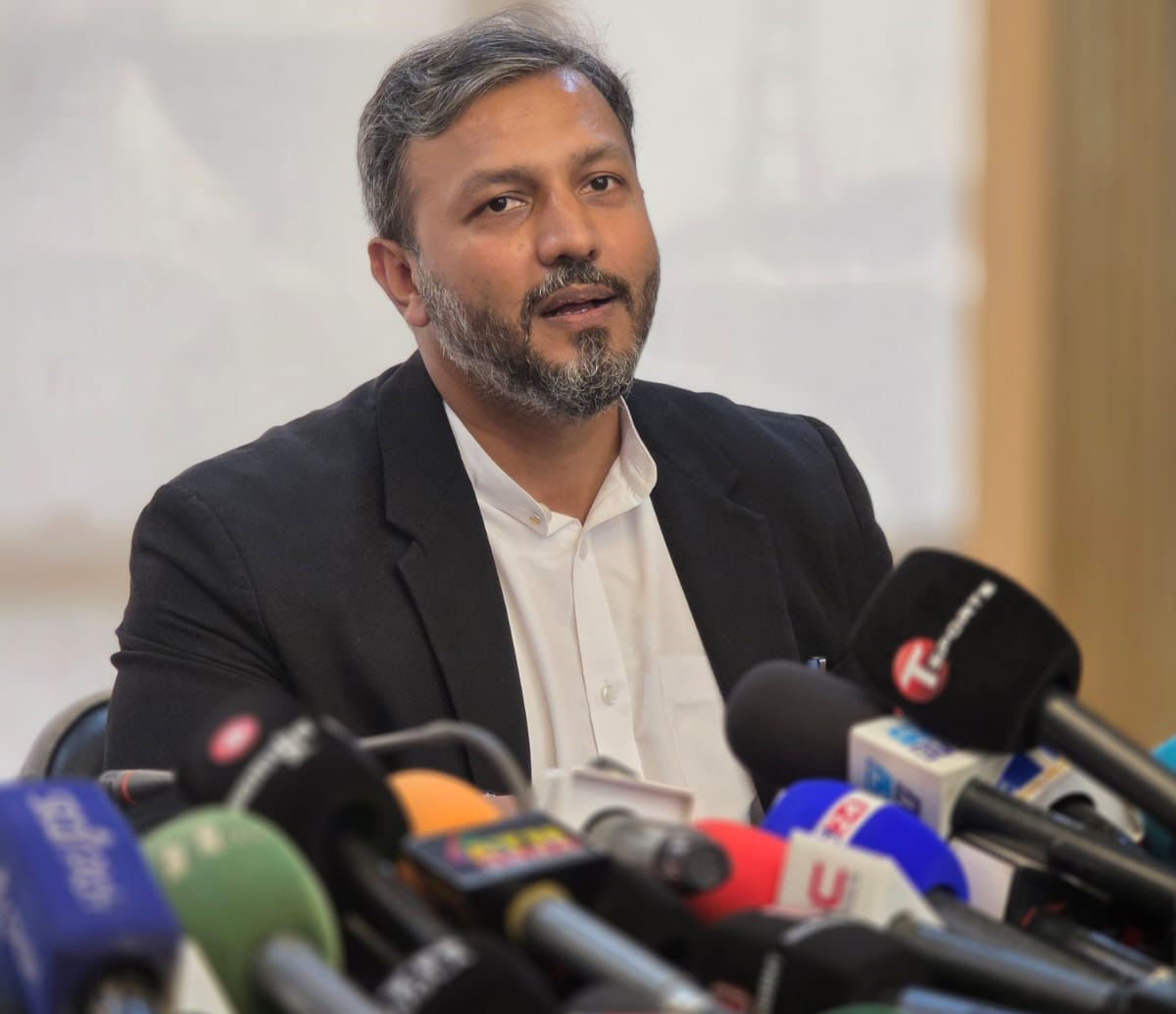
“Based on media reports and after talking to experts, we came to the conclusion that the person responsible was Dr Asif Nazrul, who was in the government at the time, and that the government was responsible,” Dastagir, also a sports organiser, told reporters at the NSC conference room today.
Soon after the report was published, Nazrul took to social media to reiterate his stance.
“The decision not to travel to India for the T20 World Cup was primarily mine as the sports minister at the time,” Nazrul wrote on his official Facebook page, admitting that it was his decision not to send the team to India.
“I have said this publicly several times myself. So, I fail to understand why the Sports Ministry felt the need to investigate the matter and publish its findings after so long,” he added.
Interestingly, Nazrul had previously appeared to shift responsibility for Bangladesh’s decision not to participate in the T20 World Cup in India and Sri Lanka onto the board and the players.
During a press meet on February 10, Nazrul said there was “no question” of having any regrets over Bangladesh’s non-participation in the marquee T20 event and claimed that BCB officials and the players had decided to make the “sacrifice”.
This time, however, Nazrul did not refer to those comments, instead recounting the events that led to the decision.
“The incident began with Mustafizur [Rahman] being humiliatingly removed from the IPL on the instructions of the Indian cricket board, under pressure from Hindu nationalist groups. Soon after, Bangladesh expressed reluctance to travel to India for the World Cup, citing security concerns and protesting the disrespect shown towards Bangladesh.
“ICC’s initial report itself acknowledged that our concerns were not unfounded. It identified three reasons for security concerns in India: Mustafizur being part of the World Cup squad, Bangladeshi supporters being able to move around freely, and the approaching [national] election in Bangladesh,” Nazrul wrote.
“BBC Bangla also published a word-for-word Bengali translation of that report.
“Given this situation, why would we go to India to play?” he added.
Nazrul also said the interim government had made extensive efforts to shift the tournament to another venue, including Sri Lanka, but was unable to do so.
“We made extensive efforts to play the World Cup at another venue. We even received support from some countries. But perhaps because of the dominance of Indian interests in the ICC leadership, it ultimately did not happen. Most importantly, the Indian authorities themselves made no contact with us about bringing us to India.
 For all latest news, follow The Daily Star's Google News channel.
 “Three things were absolutely clear behind our decision: the dignity of the country, the safety of our cricketers, journalists and supporters, and maintaining stability in the country ahead of the upcoming election.
“At the time, it was said that if Bangladesh did not play in the World Cup, matches against foreign teams would come to an end. Through various initiatives by our cricket board, that concern was eventually put to rest as well,” Nazrul wrote.
Reiterating his belief that the interim government had made the right decision, Nazrul added: “Just because we are a small country, it does not mean that someone can insult us at will and expect us to always accept it without protest. I believe in friendship with India based on equal dignity -- not in bowing our heads and accepting everything.”
Comments