


Time to speak up against fossil fuel use

Every year is hotter than the year before. Floods are devastating. Outdoor activities, possible decades or even years ago are now dangerous. We are rapidly approaching, and in some places have already surpassed, the biological limits in terms of how much heat people can endure. And yet there’s no relief in sight.
Parts of the world are ravaged by droughts and wildfires, others by flooding. Sometimes the two occur side by side or follow one another in the same place. Storms have gained in intensity and the damage they cause. The recent catastrophe in Nepal is just another in a long series of climate disasters that should be serving as wake-up calls. All indications point in the same direction: human consumption of fossil fuels, mostly by the wealthy countries, is wreaking havoc throughout the world and particularly affecting those least responsible.

The worst thing we can do is give up, become apathetic, and just expect that nothing will change and that protest is useless. We owe something much better than that to ourselves and to future generations.
What we can and should do, instead of accepting “the inevitable,” is to make a lot of noise. We can make noise internationally. We can let people in the wealthy countries know that they must dramatically and rapidly cut down on their use of fossil fuels. Renewables are finally accounting for greater percentages of electricity usage and making ever more sense given the current fuel crisis and spike in prices thanks to the senseless US-Israel war in Iran.
The United States government is actively denying the existence of climate change and promoting increased use, rather than a significant scaling back, of fossil fuels and coal. This policy is short-sighted, expensive, idiotic, and destructive. It is worsening the economy and climate of the US and the world. We can demand that our governments protest those activities. We can demand that our governments wean our countries off of fossil fuels.
Millions of people have endorsed the Fossil Fuel Treaty in order to indicate their support for a fast, fair and fully funded transition away from oil, gas and coal. According to their website, supporters include Indigenous nations, subnational and local governments, parliamentarians and elected officials, civil society organisations, businesses, scientists and academics, faith leaders, other public figures and individuals from every corner of the globe. Several nations have come on board, including Pakistan. Why not Bangladesh, especially given how vulnerable our country is to the climate crisis?
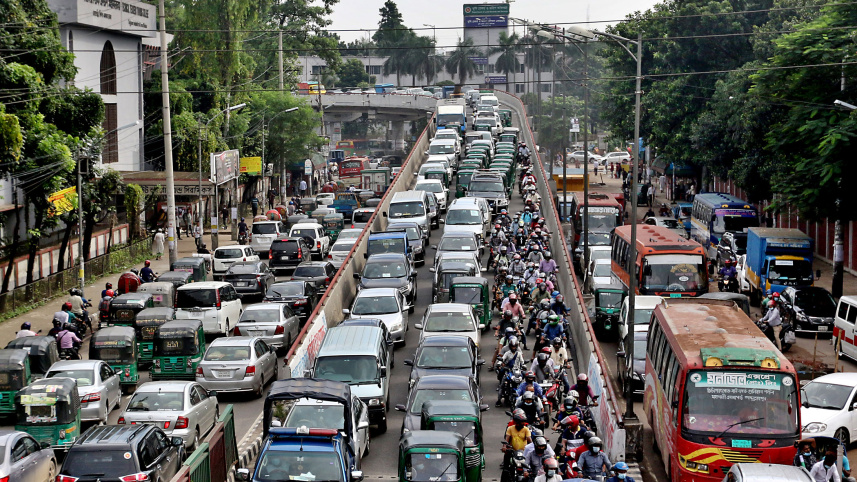
We can also demand that our countries seek ways of bringing down the temperature, reducing the heat island effect, in whatever way possible. Asphalt absorbs heat and releases it at night. Cement cannot absorb water and makes flooding worse. Rather than building ever-more roads, highways, flyovers, and elevated expressways, which directly make cities hotter and also encourage people to drive more and farther, we can start investing instead in more parks, trees, and revived canals and other water bodies that can cool our cities and help address flooding.
We suffer from limited power in terms of some of the larger political, economic, and social forces that shape our world and our lives. We have a lot more power to influence what happens in our more immediate surroundings. Every time a park is destroyed to make space for more car parking or more buildings, we can protest. We can protest when our local and national governments spend a fortune to build more roads, parking lots, and other infrastructure for cars, while failing to improve the situation for people on foot and bicycle and using public transit.
We do not have to remain silent as life in our cities and our countries becomes ever more unbearable, not just due to heat but also pollution, congestion, and the likelihood of being injured or killed on our roads. We, as citizens, have the right and responsibility to speak up. And what better time to start than this year, on September 22—the World Car Free Day—when people around the world remind each other and our governments of how much better our cities, communities, and lives could be if we gave less money and space to cars and instead invested in healthier, more prosperous, more resilient communities!
Debra Efroymson is senior adviser to the Canadian public health NGO HealthBridge and an active member of the international Carfree Cities Alliance.
Views expressed in this article are the author's own.
Follow The Daily Star Opinion on Facebook for the latest opinions, commentaries, and analyses by experts and professionals. To contribute your article or letter to The Daily Star Opinion, see our guidelines for submission.
 For all latest news, follow The Daily Star's Google News channel.
Comments