The banyan tree that became a restaurant for birds
It was an ordinary morning of birding in Jamalpur until I heard a noise that did not quite fit the quietness of the countryside.
As I approached a narrow bund dividing a canal into two, I began hearing a strange mixture of chattering, chirping and almost melancholy calls coming from a large tree beside the embankment. The bund is used daily by villagers and vehicles, but the tree seemed to have become a gathering place of an altogether different kind.
My first thought was simple: where there is a commotion of so many birds, there must be food. I was right. When I reached the tree, I discovered that I had stumbled upon a natural bird restaurant. This restaurant had only one item on its menu, and it was figs, more figs and even more figs.
The tree was our familiar Bot, or Bengal Fig, Ficus benghalensis.
A tree full of diners
The banyan was not particularly enormous by the standards of its species, standing perhaps 4 to 8 metres high. Yet its broad crown spread over several square metres, providing enough space for a remarkable congregation of birds to mingle and enjoy the menu.
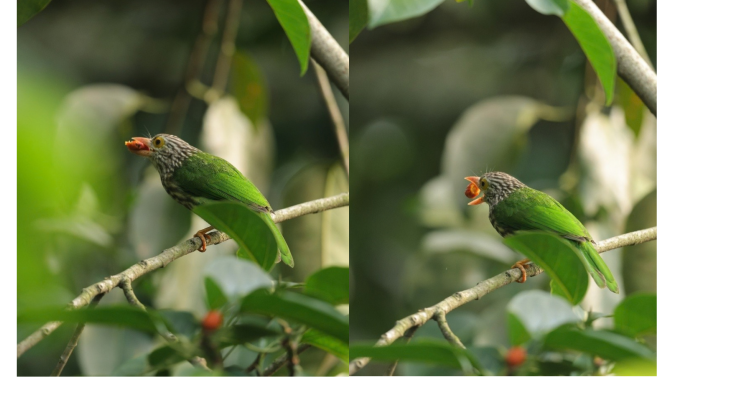
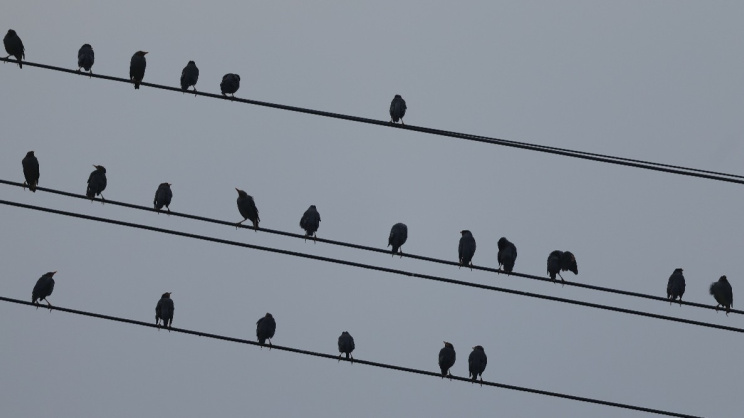
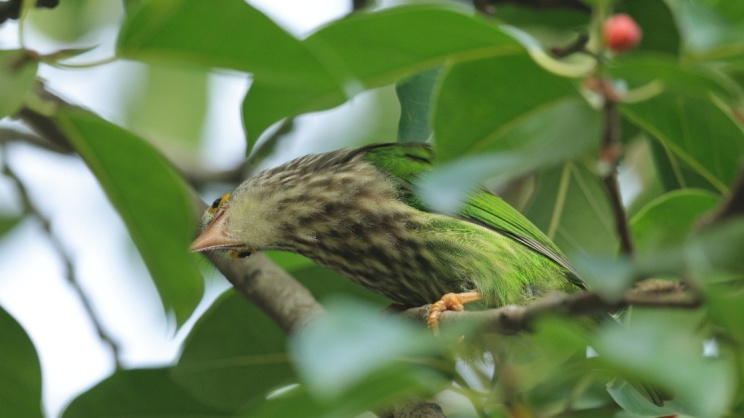
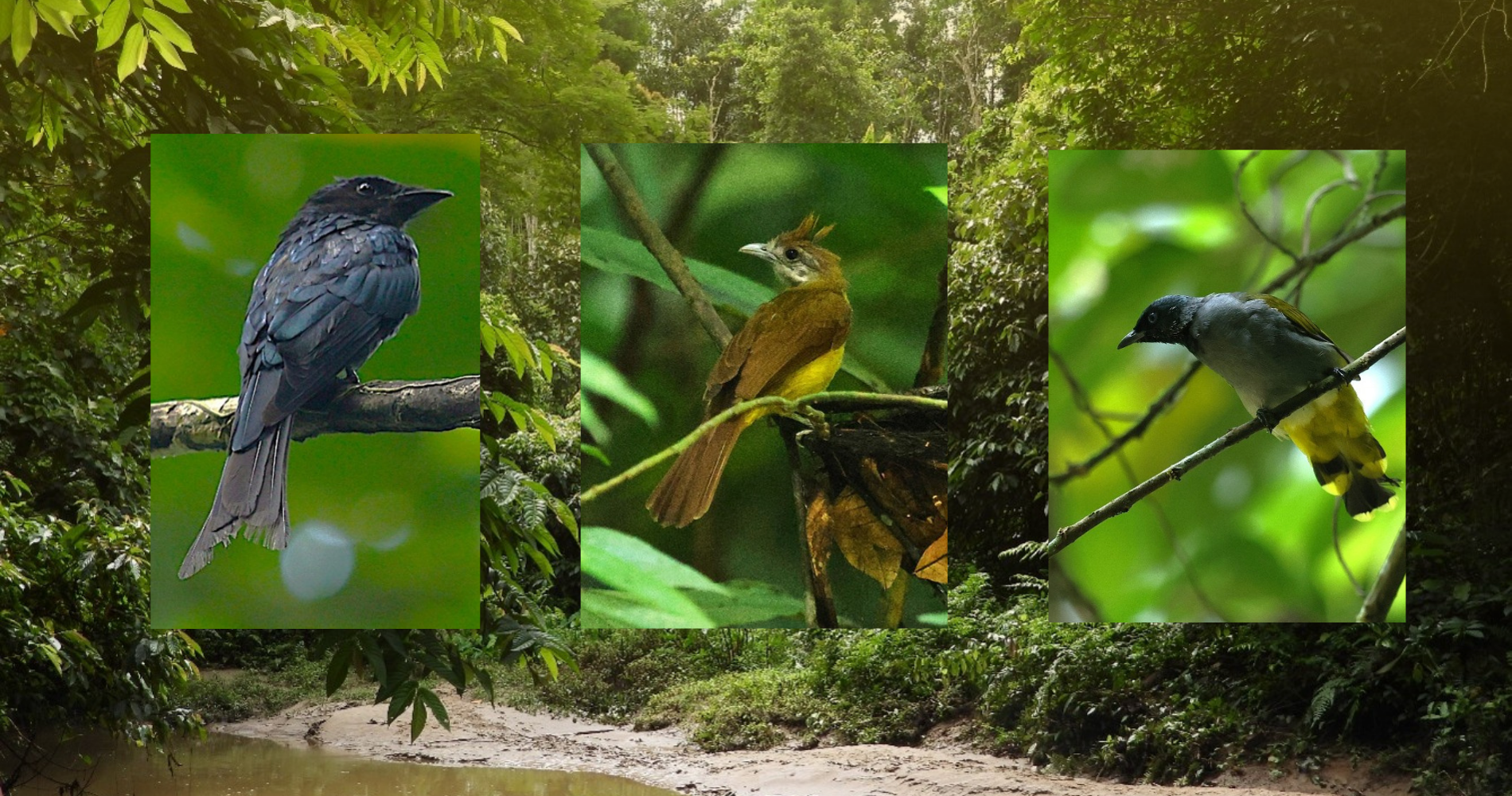
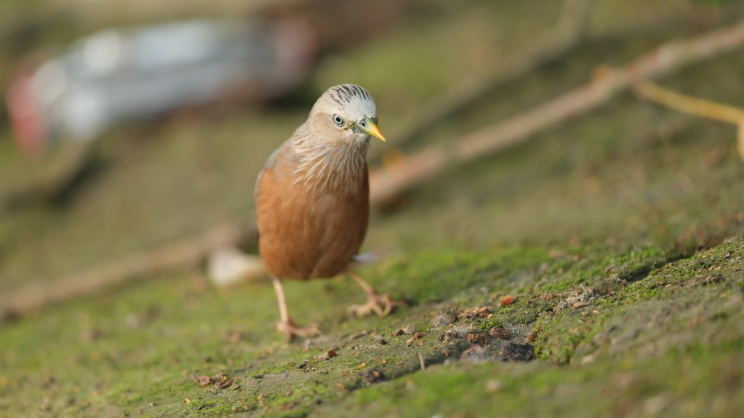
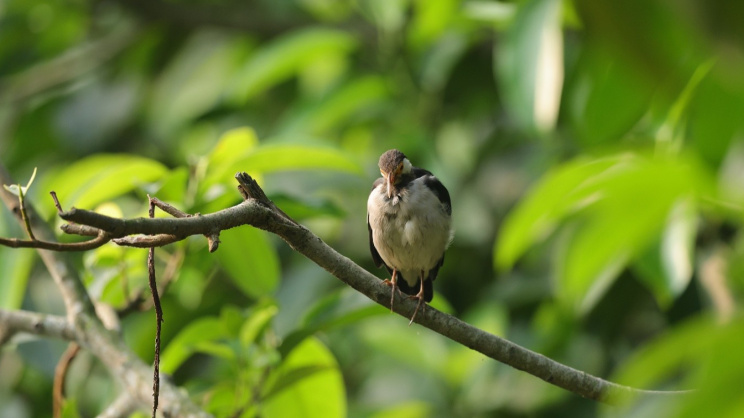
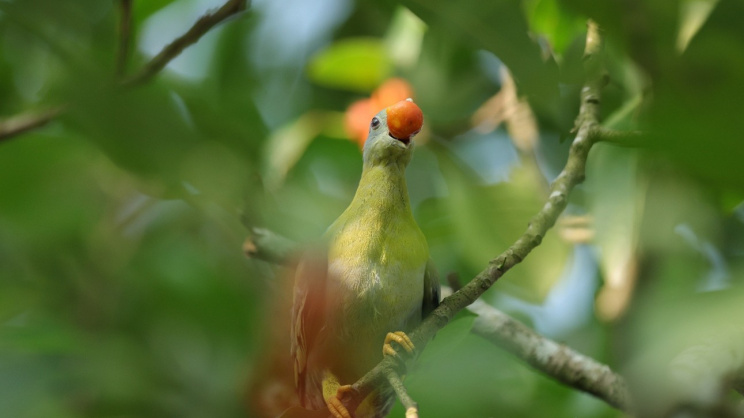
Different species occupied different parts of the tree. There were Common and Jungle Mynas, starlings, Asian Koels, barbets, treepies, orioles, Green Pigeons, crows and sparrows. Some searched among the branches and foliage, while others came down to the ground beneath the tree.
The reason soon became obvious. The ground was littered with ripe figs. With so many birds moving excitedly through the branches, figs were inevitably being knocked loose. Some fell intact, while others were partially eaten. The ground beneath the banyan had effectively become a second feeding station.
It was a perfect demonstration of a simple ecological rule: where there is food, there will be animals waiting to exploit it.
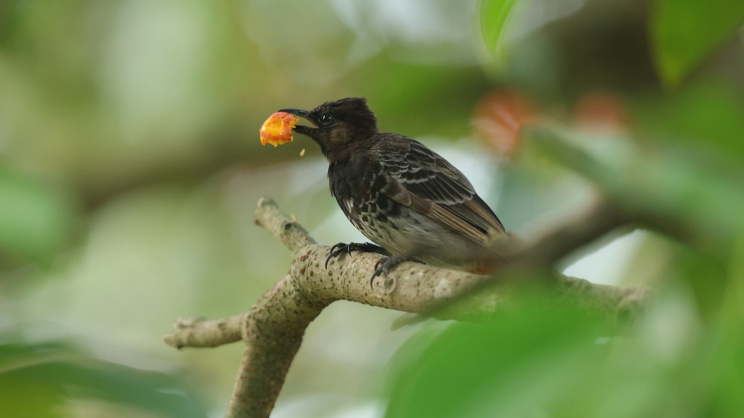
But there was something even more fascinating. Although all these birds were eating the same fruit, they were not eating it in the same way. Lineated Barbets, Asian Koels and Green Pigeons could swallow figs more or less whole. Mynas and starlings pecked at the soft flesh. Bulbuls and sparrows picked at pieces. Other fruit-eating birds used their bills according to their own feeding techniques.
Even the chickens joined the 'fig café' but only for the vibe!
Even our local poultry made good use of the overripe figs that had fallen to the ground below the tree. At one point, two hens flew almost three metres off the ground, landing on a branch thick with twigs and leaves. I soon realised they were not there to feed on the fruit. Instead, they were resting happily while the fig café served its single-item feast to hundreds of other birds.
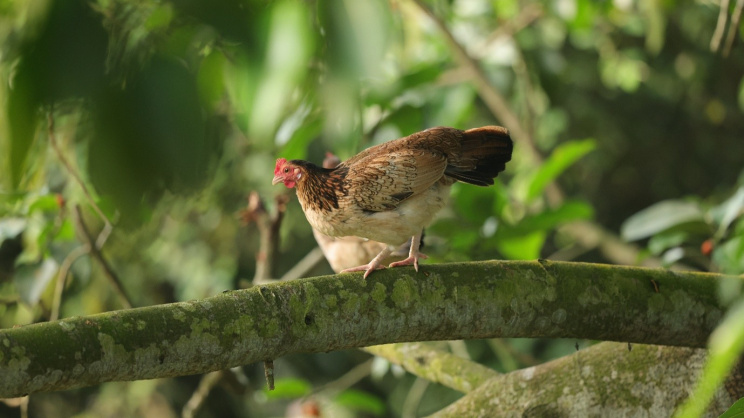
This one tree, therefore, had created a temporary feeding ground for an entire community of birds.
The fruit that is not really a fruit
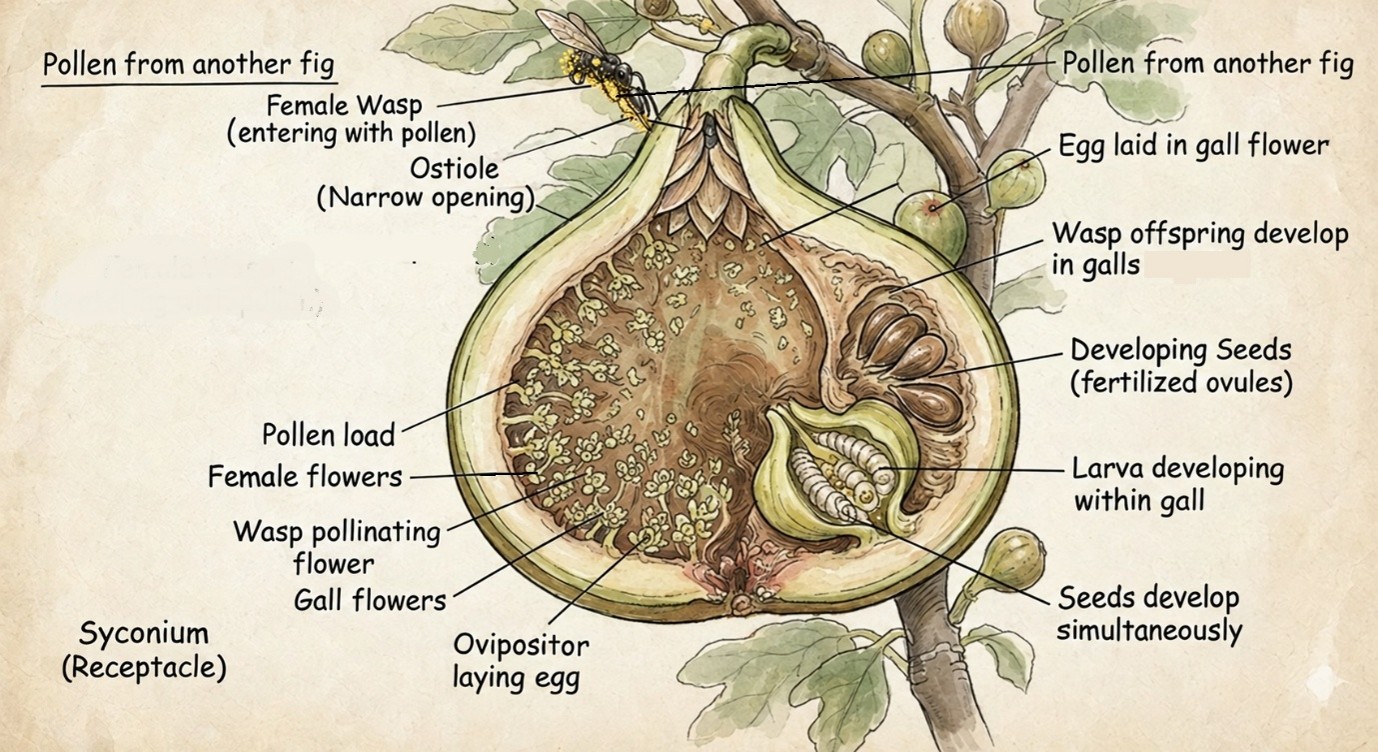
At first glance, a fig looks like an ordinary fruit. Botanically, however, the story is much more extraordinary. What we commonly call a fig is a specialised structure known as a syconium. Instead of having its flowers openly displayed like those of a mango, mustard or hibiscus, hundreds of tiny flowers are enclosed inside a fleshy, hollow receptacle.
There is only a small opening at the proximal end of the receptacle, called an “ostiole”, through which the specialised pollinating fig wasp enters. And here, the story becomes almost unbelievable.
A tiny wasp and a giant ecological partnership
For many Ficus species, pollination depends on an extraordinary partnership with a tiny wasp. The female wasp enters the syconium through the narrow opening, carrying pollen from another fig. Inside, she pollinates the flowers and lays eggs in some of them. The developing wasps and seeds then mature within the same enclosed structure, the receptacle.
In many fig-wasp systems, the female wasp eventually dies inside the fig, and her body is broken down by enzymes and incorporated into the developing system. The male wasps, where present, are wingless and live for a very short time, principally serving to mate with females and help them emerge.
What appears to us to be a simple, sweet fig is therefore the final product of an intricate biological relationship involving flowers, a specialised wasp, pollination, seeds and fruit-eating animals. The relationship is so intimate that different Ficus species generally have their own associated pollinating wasps. That is one reason the banyan is much more than just another large roadside tree.
And then come the birds
Once the figs ripen, another partnership begins. Birds arrive in astonishing diversity.
A landmark global review by Mike Shanahan and colleagues documented fig-eating by vertebrates across more than 75 countries. The study recorded 1,274 species of birds and mammals belonging to 523 genera and 92 families that eat figs. The authors concluded that Ficus is among the most important plant genera for tropical fruit-eating vertebrates and identified major bird groups interacting with figs, including pigeons, parrots, bulbuls, hornbills, starlings and barbets.
This explains why a single fruiting fig tree can suddenly look like a busy airport. Different birds arrive at different times, occupy different parts of the canopy and process the same food in different ways.
For a birdwatcher, it can be a bonanza. For the tree, however, the birds are doing something much more important. They are helping the Bengal Fig reproduce.
The birds pay for their meal with a service
A bird eats a fig and flies away. It may travel a few hundred metres, several kilometres or considerably farther before passing the seeds through its digestive system. The seeds may then land somewhere entirely different from the parent tree. It could be on the branch of another tree, in a crack in a wall, on a damp building, beside a bridge or on another suitable surface. This is seed dispersal, and it is carried out by animals such as birds and mammals. In forests, herbivorous animals, particularly elephants, are among the largest seed dispersers.
Passage through an animal's digestive tract can affect seed germination, but the idea that no fig seed can germinate unless it first passes through an animal is too absolute. The ecological importance lies particularly in the combination of dispersal away from the parent plant and, in some species, enhanced germination after gut passage. This helps explain a familiar sight in Bangladesh.
Look carefully at old buildings, bridges, walls and neglected structures, and you may sometimes find a tiny fig growing where no one planted it. A bird may have planted it there without ever intending to become a gardener.
The banyan's unusual strategy
The banyan has another remarkable trick. Ficus benghalensis can begin life as an epiphyte after a seed germinates in a crack or crevice high above the ground. As it grows, it may send roots downwards. Eventually, these roots can reach the soil and develop into substantial supporting structures. This gives the banyan an extraordinary ability to colonise places where an ordinary tree could never initially establish itself.
The species is native to the Indian subcontinent, including Bangladesh, and is formally recognised as Ficus benghalensis.
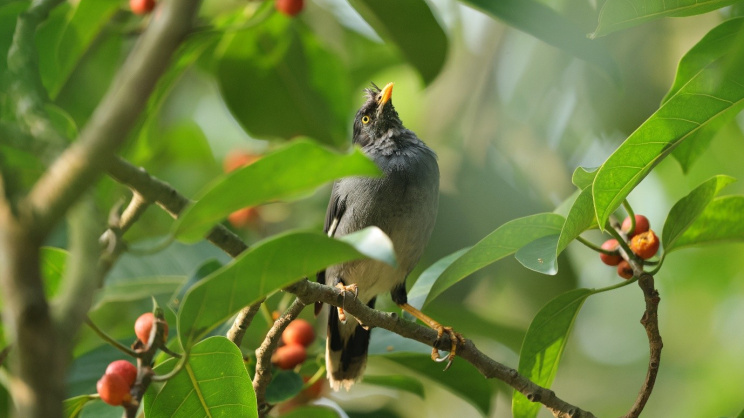
Bangladesh's botanical databases record a remarkably diverse assemblage of Ficus, with dozens of species and recognised taxa, including familiar trees and shrubs known locally as Bot (F. benghalensis), Pakur, Ashwattha or Bodhi (F. religiosa), Dumur or Jogo Dumur (F. racemosa), Jir or Teen (F. carica), Khoksha or Kak Dumur (F. hispida) and other local names. The national flora checklist records numerous Ficus species and forms, ranging from large trees to shrubs and climbers.
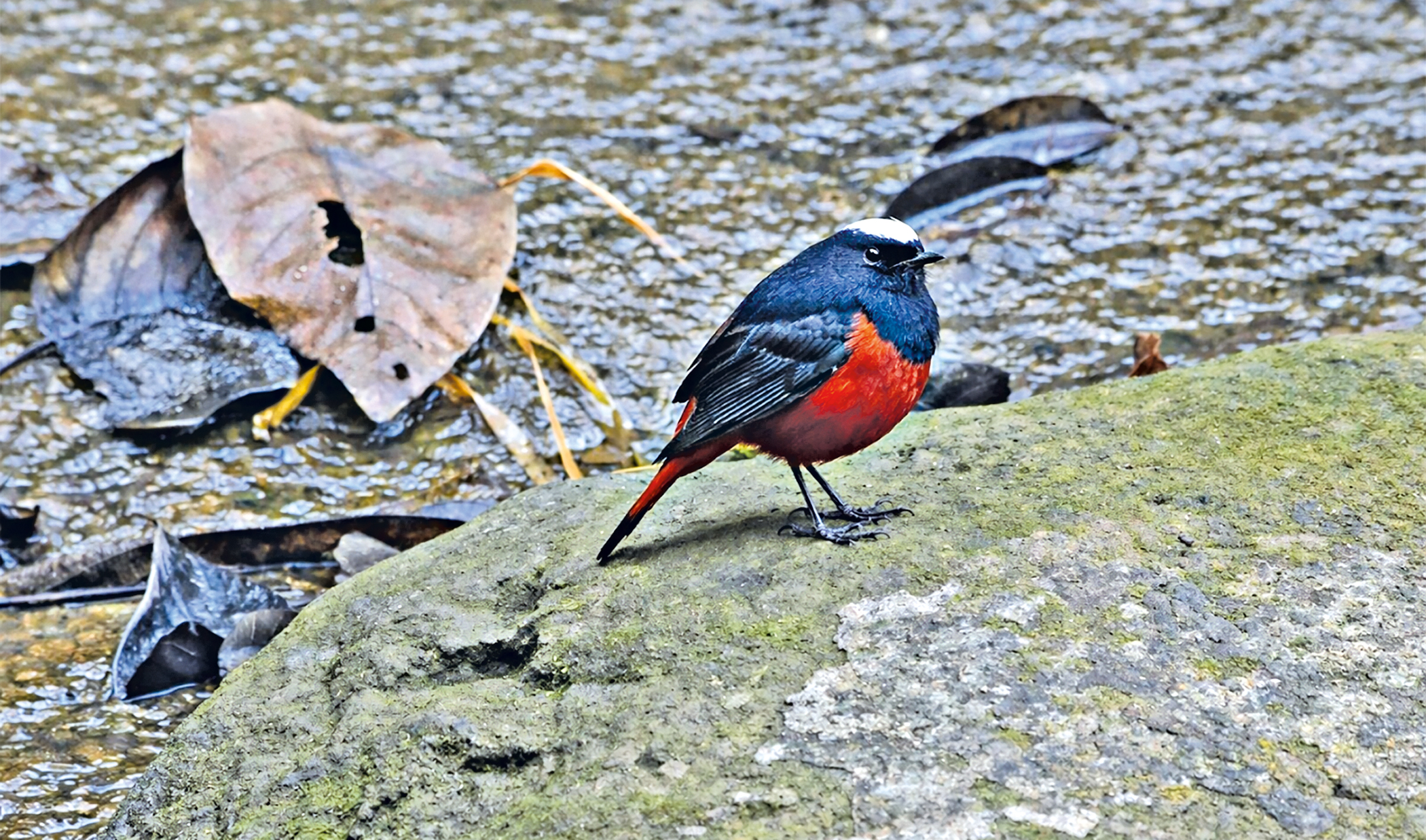
How many fig eating birds do we have?
There is an interesting question for Bangladesh. We know that our country supports a remarkably rich bird fauna, but there appears to be no comprehensive national assessment specifically documenting how many bird species regularly feed on Ficus fruits.
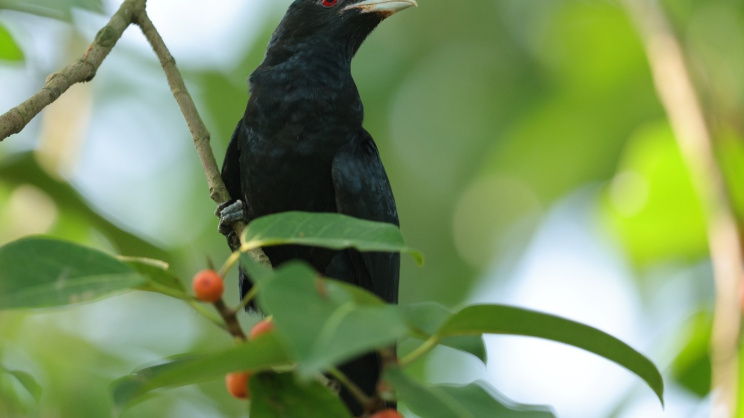
Field observations suggest that the number of fig-consuming species in Bangladesh is surprisingly high. Given the country's approximately 740 historically recorded bird species, it is reasonable to hypothesise that around 100 may consume figs at least occasionally. Until a systematic study provides a definitive answer, however, this remains a field hypothesis rather than an established statistic. Existing data cover only a limited number of birds and primates. What is truly missing is a national checklist mapping out all wildlife species that depend on figs as a regular dietary staple.
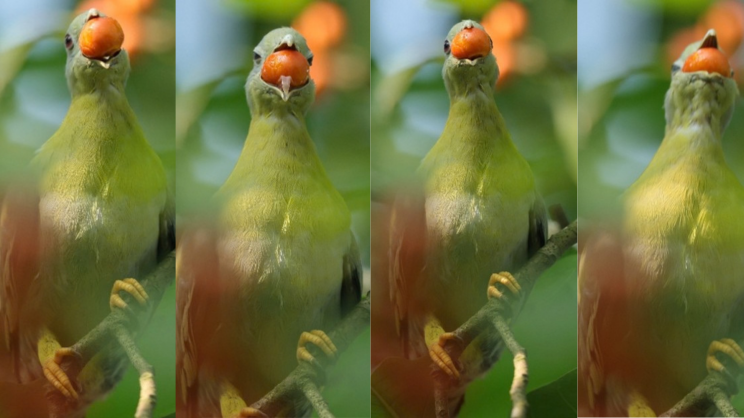
Observers could record each fruiting Ficus species, identify visiting birds, document feeding behaviour and quantify how frequently each bird species consumes figs.
Such a study would reveal something that is currently largely hidden in our biodiversity records: the importance of individual fig species as food resources for Bangladesh's birds.
A lesson from one Jamalpur tree
Standing beneath that banyan in Jamalpur, I began with the simple intention of watching birds. Instead, the tree gave me a lesson in ecology.
The birds came to the tree because it provided food. The tree depended on a tiny wasp for pollination. The birds carried away its seeds. Some of those seeds would eventually germinate far from the parent tree. Another banyan might one day rise from one of them.
So, the tree was not merely feeding birds. The birds were helping to create the next generation of trees.
That morning, the noisy gathering beneath the banyan suddenly seemed less like a flock of hungry birds and more like a vast ecological transaction, one in which everyone appeared to gain something. The birds received food. The wasps received a place to reproduce. The banyan received pollination and seed dispersal. And the landscape received another chance to remain green. Perhaps that is the real lesson of the Jamalpur banyan.
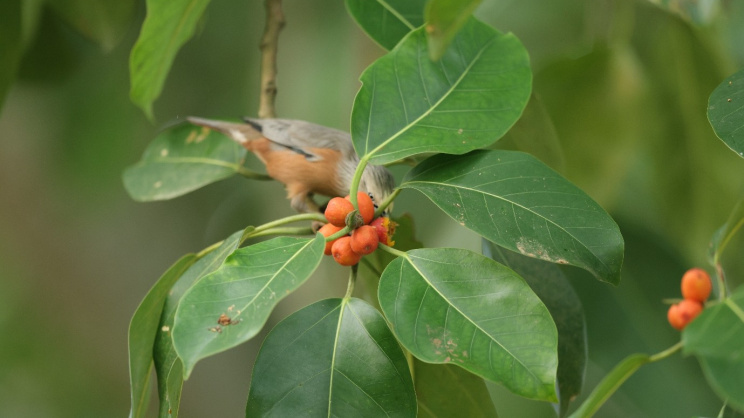
Sometimes, one does not have to enter a forest to discover a functioning ecosystem.
Occasionally, an entire ecosystem is standing quietly beside a village road, beside a canal, or on an ordinary bund, waiting for someone to stop, look up and listen.
Dr Reza Khan is a wildlife biologist and conservationist with over four decades of experience in wildlife research, zoo management, and biodiversity conservation in Bangladesh and the United Arab Emirates. He has worked extensively in wildlife rescue, sanctuary management, and community-based conservation initiatives.
Send your articles for Slow Reads to slowreads@thedailystar.net. Check out our submission guidelines for details.

What did we ask about Mariam while she was still alive?

Why Dhaka cannot simply ban the rickshaw
The elephants had to be rescued again. Where is the accountability?

‘Situation under control’, but at whose expense?

The untold side of Bangladesh's climate migration

Dhaka's unbearable heat: Who suffers the most?

Enforced disappearance in Bangladesh / Who investigates the state?
Gibbons, kingfishers and the changing world of Adampur Reserved Forest

More than refugees: How Rohingya youth are reclaiming their story