The everyday resistance of Rohingya women the world rarely sees
When people talk about resistance, they often imagine protests, political movements, or people standing in the streets demanding change. But resistance can take many forms.
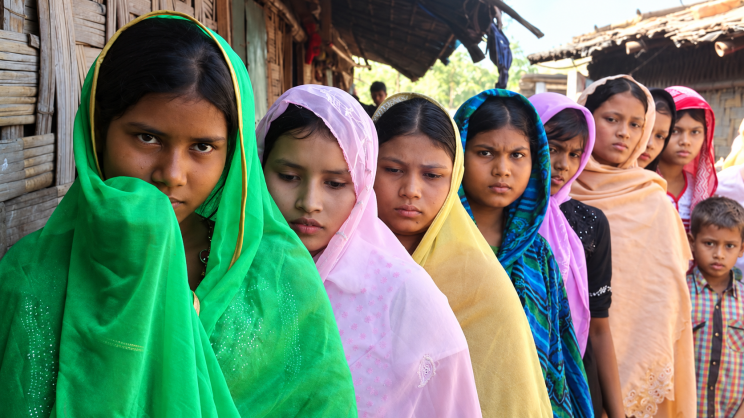
For Rohingya women, resistance is often quiet. It can be a mother caring for her children after losing her home, a girl continuing her education despite social pressure, a woman learning sewing to support her family, a female teacher educating children, or a community member speaking about the rights and needs of her people.
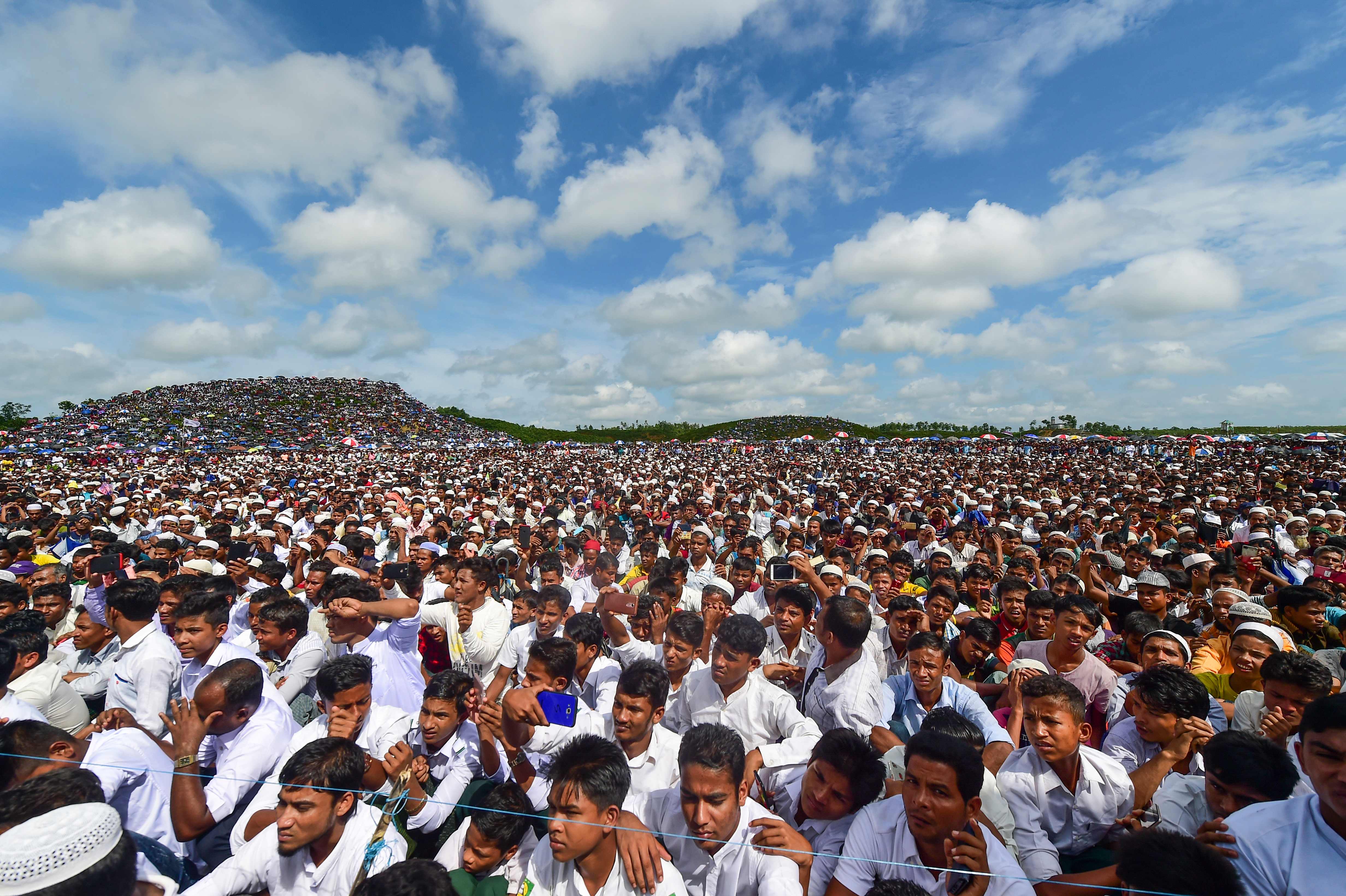
Since the mass displacement from Myanmar in 2017, Rohingya women and girls have faced displacement, poverty, insecurity, restrictions on movement, limited access to education and limited opportunities to earn an income. These challenges are made harder by social expectations and risks such as early marriage and gender-based violence.
Yet Rohingya women are not only victims of the crisis. They are also caregivers, educators, workers, organisers, advocates and decision-makers.
Their everyday actions show a form of resistance: the determination to protect their families, preserve their identity, educate the next generation and have a voice in their own future.
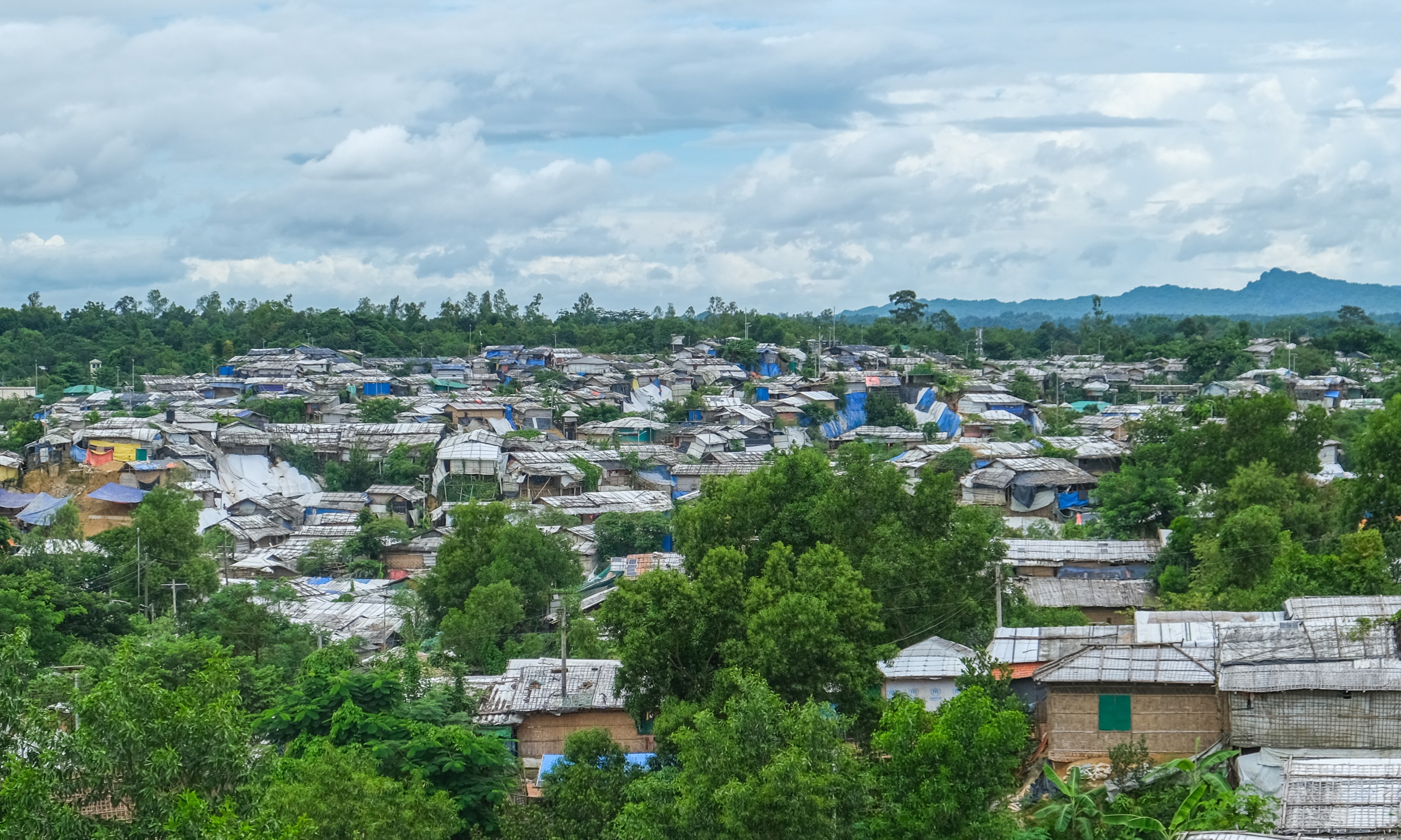
The following fictional accounts portray six Rohingya women from different backgrounds and the different forms resistance can take in their everyday lives. While the characters and their stories are imagined, they reflect experiences and challenges that warrant deeper exploration through interviews with Rohingya women themselves.
Amina Begum, 32, is a Rohingya mother and community volunteer. She spends most of her day caring for her three children and helping women in her neighbourhood connect with community services.
For Amina, resistance begins at home. “My first responsibility is my children. When they are sick, hungry or afraid, I cannot give up. I have to stay strong even when I am tired.”
Life in a refugee camp can place enormous responsibilities on women who care for children, elderly relatives and other family members.
Amina says women often support one another during difficult situations. “When one family has a problem, other women try to help. Sometimes we share food. Sometimes we take care of someone’s children. Sometimes we simply listen.” She believes this everyday support is rarely recognised as a form of resistance.
Rahima, 19, is a Rohingya student who wants to continue her education and eventually work as a teacher. She says education has become one of the most important parts of her life.
“When I study, I feel that I am building something for my future. I don’t want my life to be decided only by the situation around me.” But continuing education is not always easy for Rohingya girls.
Family responsibilities, social expectations, financial difficulties, safety concerns and early marriage can all affect girls’ education. Rahima says she has sometimes faced pressure to think about marriage instead of education.
“Some people ask why a girl needs so much education. I want to answer them by showing what an educated woman can do.”
“If one girl becomes educated, she can teach her children. Then her children can teach another generation. Education can continue even when we lose many other things,” she added.
Hasina, 35, is a Rohingya female teacher who works with children in a community learning centre. For her, teaching is more than a job.
“When I enter the classroom, I feel that I am doing something for the future of my community.” Hasina says girls need women teachers who understand their experiences.
“Some girls are shy about talking about their problems. When they see a woman teacher, they sometimes feel more comfortable.” She also sees education as a form of protection.
“A girl who stays in education has more possibilities. She can dream about becoming a teacher, health worker or something else. Without education, many doors close very early.”
Fatema, 28, is a Rohingya woman who learned sewing through vocational training and now makes clothes and other items for people in her community.
Life in a refugee camp can place enormous responsibilities on women who care for children, elderly relatives and other family members. Amina says women often support one another during difficult situations. “When one family has a problem, other women try to help. Sometimes we share food. Sometimes we take care of someone’s children. Sometimes we simply listen.” She believes this everyday support is rarely recognised as a form of resistance.
She says learning a skill changed how she viewed herself. “Before learning sewing, I often thought about what I could not do. After learning the skill, I started thinking about what I could do.”
But turning a skill into a stable income remains difficult. Women may face limited access to markets, transportation, customers, capital and safe working spaces.
Fatema says these challenges can be discouraging. “Learning the skill is not enough. We need a way to use the skill. If I can make something but cannot sell it, how can I support my family?” Still, she continues. “I want to earn with my own hands. Even if the income is small, it gives me confidence.”
Mariam, 24, is a Rohingya community volunteer who participates in women’s discussions and awareness activities. She says speaking publicly was difficult when she first became involved.
“I was afraid people would criticise me. I thought they might say that a woman should not speak in front of others.” But she continued participating. Her work involves listening to women and sharing their concerns in community discussions. “Women talk about problems that men may not always see. We talk about safety, children’s education, health and family problems.”
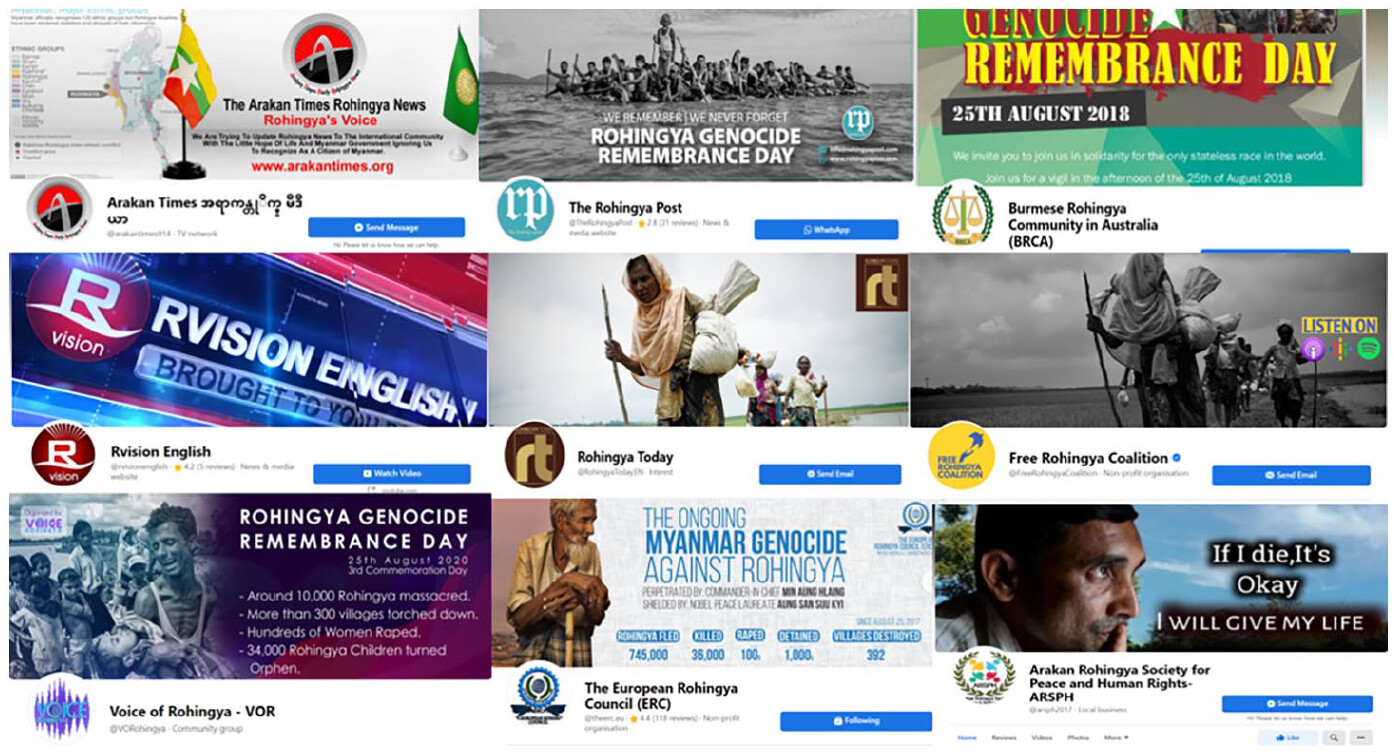
Mariam believes women must be part of decisions that affect them. “If a decision affects women, women should be in the room when that decision is made.”
Not every woman has the freedom to speak, study or work. Salma, 41, a Rohingya community elder, says women continue to face several restrictions.
“Many women have ideas, but they are afraid to express them.” She identifies social pressure as one major barrier. “A woman may want to study or work, but she may worry about what relatives or neighbours will say.” Early marriage can create another barrier.
When girls leave education early and become responsible for their own households and children, their opportunities can become much more limited. Salma says security concerns also affect women. “If a woman does not feel safe moving around, how can she attend training, work or community meetings?”
She believes communities must create an environment where women can participate without fear. “We should not tell women to be strong while giving them no safe place to use their strength,” she added.
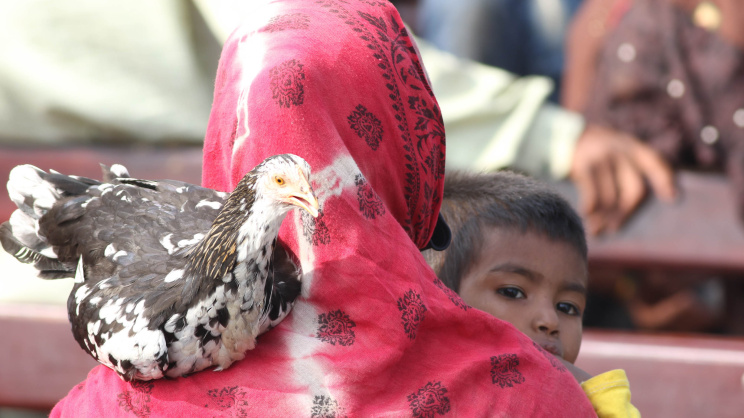
Although these six fictional women have different lives, their ideas come together around one point: resistance does not have only one face.
For Amina, resistance means caring for her children. For Rahima, it means continuing her education. For Hasina, it means teaching the next generation. For Fatema, it means developing a skill and trying to earn an income. For Mariam, it means speaking when women are not being heard, and for Salma, it means challenging the barriers that keep women from participating.
Their stories suggest that resistance can exist in ordinary moments. A woman does not have to stand on a stage to demonstrate courage. She can show courage by sending her daughter to school. She can show courage by learning a skill. She can show courage by becoming a teacher. She can show courage by supporting another woman. She can show courage by saying, “I have something to say.”
Rohingya women are often described through the language of crisis: refugees, survivors, displaced people, mothers and victims. Those realities are important, but they are not the whole story. Rohingya women are also caregivers, students, teachers, workers, entrepreneurs, volunteers, advocates and community leaders.
The future of the Rohingya community cannot be built without women. Women should not only be protected from harm. They should be given meaningful opportunities to learn, work, speak, lead and make decisions, because Rohingya women are not simply waiting for their future to be decided. They are already helping to build it.
Sabekun Naher is a Rohingya woman human rights defender, community trainer, teacher, researcher, interpreter and motivational speaker. She serves as the Director of Women Affairs at RYAN (Rohingya Youth Action Network).
Duli to Baaji: Whose gaze shapes indigenous representation?
The banyan tree that became a restaurant for birds
What did we ask about Mariam while she was still alive?
Why Dhaka cannot simply ban the rickshaw
The elephants had to be rescued again. Where is the accountability?
‘Situation under control’, but at whose expense?
The untold side of Bangladesh's climate migration
Dhaka's unbearable heat: Who suffers the most?
Enforced disappearance in Bangladesh / Who investigates the state?