


Bundling Microinsurance and Flexible Cash-Flow Terms for Farmers
Embedding index-based crop microinsurance directly into credit packages shields smallholders from climate shocks while cash-flow underwriting opens formal banking at scale.
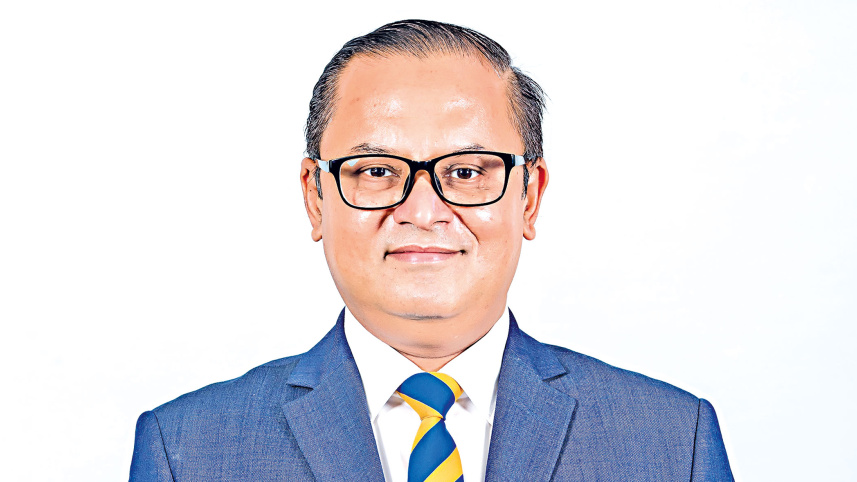
BRAC Bank PLC is transforming smallholder lending by embedding index-based microinsurance into agricultural loans while restructuring repayments around biological growth and harvest cycles. Syed Abdul Momen, Additional Managing Director and Head of SME Banking at BRAC Bank, details how non-collateralized lending, contract farming, agent banking, and accelerators empower unbanked rural producers.

The Daily Star (TDS): How has the agricultural financing landscape in Bangladesh evolved in recent years, and which emerging trends do you consider most significant?
Syed Abdul Momen: Government commercialization drives and central bank lending targets—raising mandatory agri-lending to Tk 60,000 crore—have reshaped the landscape. Key milestones include debt relief waivers up to Tk 10,000, CIB fee waivers up to Tk 3 lakh, collateral-free access for sharecroppers, farm mechanization, and digital scoring via Bangla QR.
TDS: What changes are you seeing in the financing needs across the agricultural value chain?
SAM: Farmers seek term credit for combine harvesters and solar irrigation to combat labor shortages. Agribusinesses request structured loans for cold storage, automated processing, and transport, while contract farming locks in market off-take.
TDS: How is BRAC Bank adapting its agricultural finance products beyond crop production?
SAM: We replaced rigid monthly installments in livestock and fisheries with flexible schedules matching growth and harvest cycles. For mechanization and processing, we provide asset-backed leasing for commercial vehicles, rice mills, and sorters to eliminate wastage.
TDS: Access to formal credit remains difficult for small farmers. What are the principal barriers, and how can banks address them?
SAM: Major barriers are data scarcity, lack of documentation, and high operating costs. We address this by tapping government ‘Farmers Card’ data, deploying agent banking networks, shifting to cash-flow underwriting, and running financial literacy drives.
TDS: How are agent banking, digital platforms, and new credit assessment methods changing rural finance?
SAM: Agent banking acts as a low-cost physical anchor for deposits and loan sourcing. Digital agritech partnerships cut credit turnaround from weeks to minutes, enabling alternative data scoring to underwrite unbanked borrowers at scale.
TDS: With agriculture exposed to climate and market risks, how should financing models evolve?
SAM: Financing must embed index-based crop and livestock microinsurance directly into credit packages. Preferential rates should incentivize drip irrigation and organic farming, while contract farming protects producers against market price crashes.
TDS: What more can financial institutions do to support women, young agripreneurs, and small enterprises?
SAM: Institutions should combine non-collateralized loans with capacity-building programs like BRAC Bank’s TARA Uddokta and accelerator programs. Our ‘Nobojatra’ initiative funded 1,051 unbanked women in Khulna and Satkhira.
TDS: Looking ahead, what policy support, institutional changes, or partnerships will be necessary?
SAM: We require expanded central bank credit guarantee schemes, a unified Farmer’s Card linking NID with land records, streamlined environmental clearance, and bank-fintech-MFI risk-pooling partnerships.
 For all latest news, follow The Daily Star's Google News channel.
Comments