


Moving Beyond Isolated Crop Loans to End-to-End Value-Chain Credit
The next stage of rural banking should be about moving beyond financing agriculture in isolation to financing the entire agricultural value chain—from seed to shelf.
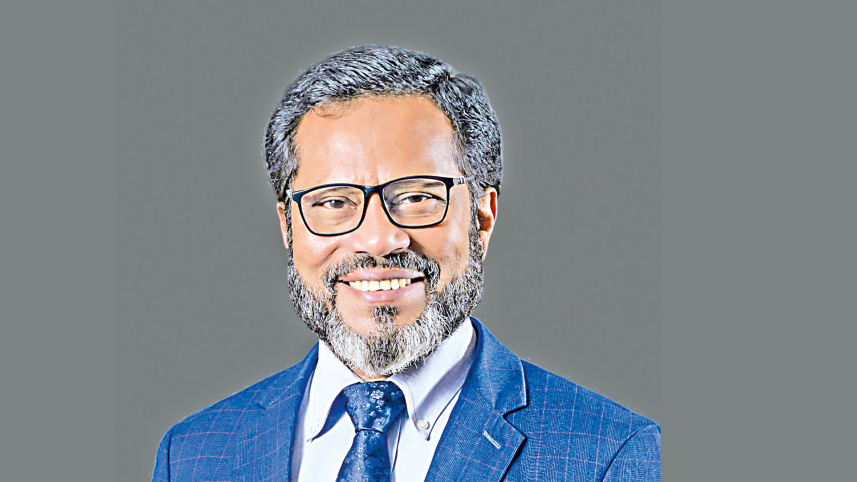
Agriculture in Bangladesh demands a holistic value-chain view connecting seeds and cultivation to mechanization, storage, processing, and distribution. Mohammad Mamdudur Rashid, CEO of United Commercial Bank PLC (UCB), details how UCB disbursed over Tk 1,107 crore in agricultural financing in FY2025–26 while deploying agent banking, same-day loan approvals up to Tk 10 lakh, and agritech partnerships to support smallholders and commercial agribusinesses alike.

The Daily Star (TDS): How has the agricultural financing landscape in Bangladesh evolved in recent years, and which emerging trends do you consider most significant?
Mohammad Mamdudur Rashid: Agricultural finance is steadily evolving beyond traditional crop loans toward an integrated value-chain model. Alongside smallholder farmers, larger commercial enterprises are expanding agribusiness investments. The most significant trend at UCB is aligning credit with actual business and cash-flow cycles—whether for pre-harvest inputs, post-harvest processing, or year-round livestock cash flows. In FY2025–26, UCB directly financed over 5,000 farmers and deployed Tk 1,107 crore through our network and MFI partners.
TDS: What changes are you seeing in the financing needs of participants across the agricultural value chain?
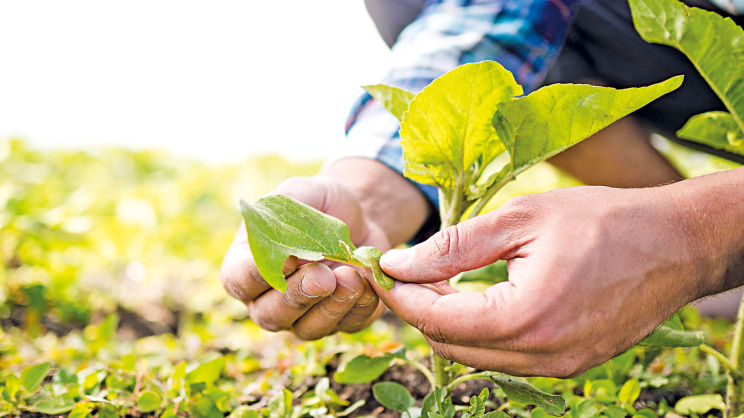
MMR: Financing requirements have become highly diversified and commercial. Farmers require credit for machinery, livestock, fisheries, and post-harvest handling alongside crop inputs. Traders and processors need working capital to buy, store, process, and distribute produce. Financing the farmer alone is insufficient if post-harvest storage or market linkages are missing, making value-chain financing essential.
TDS: How is UCB adapting its agricultural finance products to serve activities beyond crop production?
MMR: We view agriculture as a broader rural economic ecosystem. Our lending covers crops, fisheries, livestock, mechanization, and storage infrastructure. We customize repayment schedules to match underlying business cash flows—such as post-harvest lump sums for crops versus regular repayments for dairy or trading. To reach last-mile farmers, we utilize branches, agent banking, MFI partnerships, and agritech collaborations.
TDS: Access to formal credit remains difficult for many small farmers. What are the principal barriers, and how can banks address them responsibly?
MMR: The primary barriers are the absence of conventional mortgage collateral, formal financial records, and documented credit histories. However, lack of collateral does not equate to a lack of creditworthiness. The solution lies in better cash-flow assessment, production capacity evaluation, and business viability checks. For qualifying customers, UCB offers a same-day loan disbursement facility up to Tk 10 lakh without conventional mortgage security.
TDS: How are agent banking, digital platforms, and new credit assessment methods changing rural finance?
MMR: Technology bridges physical distance, ensuring farmers do not have to travel long distances for banking. UCB’s agent banking network brings account opening, deposits, loan applications, and repayments directly to rural communities. Digital onboarding and e-KYC build formal financial footprints, allowing transaction data to support credit decisions for unbanked borrowers.
TDS: With agriculture increasingly exposed to climate and market risks, how should financing models evolve?
MMR: Financing models must become risk-sensitive, factoring in geographic exposure, crop cycles, and weather risks. Credit should actively encourage investments in climate-resilient technology, such as efficient irrigation, improved seeds, and protected storage. Building a resilient ecosystem requires multi-stakeholder risk-sharing among banks, regulators, insurers, and development partners.
TDS: What more can financial institutions do to support women, young agripreneurs, and small enterprises?
MMR: Women and young entrepreneurs must be recognized as vital economic drivers rather than passive inclusion beneficiaries. Capital must be paired with financial literacy, business guidance, and market access. Through UCB’s Agro CSR initiatives, we have trained around 14,000 farmers, provided equipment, and supported academic agri-research to strengthen the broader ecosystem.
TDS: What policy support, institutional changes, or partnerships will be necessary going forward?
MMR: Key priorities include improving centralized agricultural data on production and weather, expanding credit guarantee and risk-sharing mechanisms, and deepening value-chain partnerships among aggregators, processors, and tech platforms. The future lies in moving beyond isolated agricultural lending to financing the entire value chain from seed to shelf.
 For all latest news, follow The Daily Star's Google News channel.
Comments