


Linking real economic activity and shared prosperity through Islamic Finance
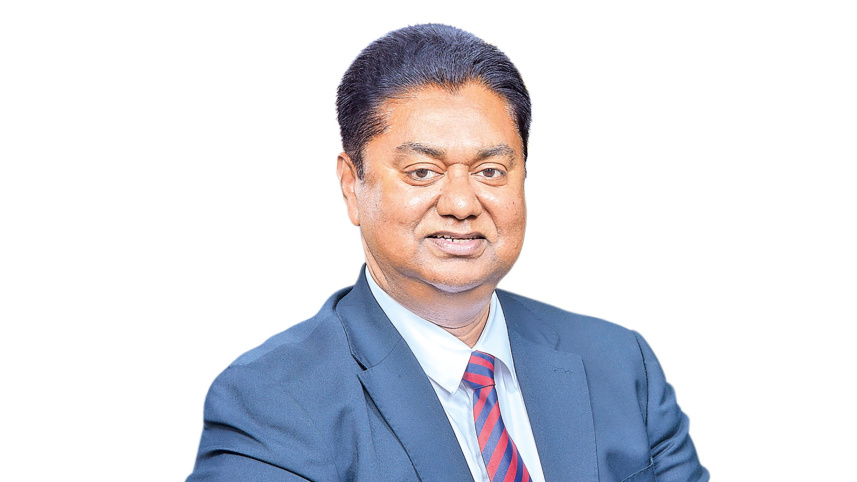
Islamic finance has a distinctive role to play by keeping credit connected with real economic activity, productive enterprise, and shared prosperity across rural Bangladesh.
Shahjalal Islami Bank PLC achieved 113.79% of its central bank agricultural financing target by anchoring credit in real economic trade, productive asset creation, and Shariah principles. Mosleh Uddin Ahmed, Managing Director of Shahjalal Islami Bank, details how digital platforms like DIAMS and TouchPay combine with high-touch relationship banking to drive climate resilience and empower rural entrepreneurs.

The Daily Star (TDS): How has the agricultural financing landscape in Bangladesh evolved in recent years, and which emerging trends do you consider most significant?
Mosleh Uddin Ahmed: Agricultural finance has evolved beyond seasonal crop lending into an essential component of the broader value chain. In FY2025–26, Bangladesh Bank’s program disbursed BDT 428.34 billion to 3.77 million farmers, including 1.92 million women receiving BDT 163.83 billion. Key trends include digitalisation, agent banking, climate resilience, and value-chain credit.
TDS: What changes are you seeing in the financing needs across the agricultural value chain?
MUA: Modern agricultural enterprises require capital for machinery, controlled farming, feed, storage, processing, packaging, and digital logistics. Profitability depends on post-harvest preservation and market access, making value-chain financing essential for food security.
TDS: How is Shahjalal Islami Bank adapting its agricultural finance products beyond crop production?
MUA: We expand Shariah-compliant financing across fisheries, livestock, farm mechanization, solar irrigation, agro-processing, and storage. Achieving 113.79% of our central bank disbursement target demonstrates our commitment to rural productivity.
TDS: Access to formal credit remains difficult for small farmers. What are the principal barriers, and how can banks address them?
MUA: Barriers include lack of documentation, traditional collateral demands, seasonal income volatility, and transaction costs. We advocate cash-flow lending supported by transaction histories, crop data, supply-chain links, and credit scoring.
TDS: How are agent banking, digital platforms, and new credit assessment methods changing rural finance?
MUA: We pursue a ‘high-tech but high-touch’ banking philosophy. Platforms like DIAMS and TouchPay accelerate processing and create financial footprints, while human relationship management maintains essential trust in rural communities.
TDS: With agriculture exposed to climate and market risks, how should financing models evolve?
MUA: Agricultural finance must build resilience by funding solar irrigation, integrated farming, cold storage, and climate-smart practices, aligning credit appraisal with sustainable finance and ESG integration.
TDS: What more can financial institutions do to support women, young agripreneurs, and small enterprises?
MUA: Finance must be accompanied by capacity building, digital literacy, and market linkages. A case study is Ayana Leather Goods, owned by Lameya Dipita Mitu, where Tk 10 lakh in financing enabled business expansion and job creation.
TDS: Looking ahead, what policy support, institutional changes, or partnerships will be necessary?
MUA: Bangladesh needs an agricultural finance ecosystem prioritizing value-chain financing, centralized agricultural data, credit guarantees, crop insurance, and strategic refinance facilities—ensuring finance moves from seed to harvest and from harvest to prosperity.
 For all latest news, follow The Daily Star's Google News channel.
Comments